




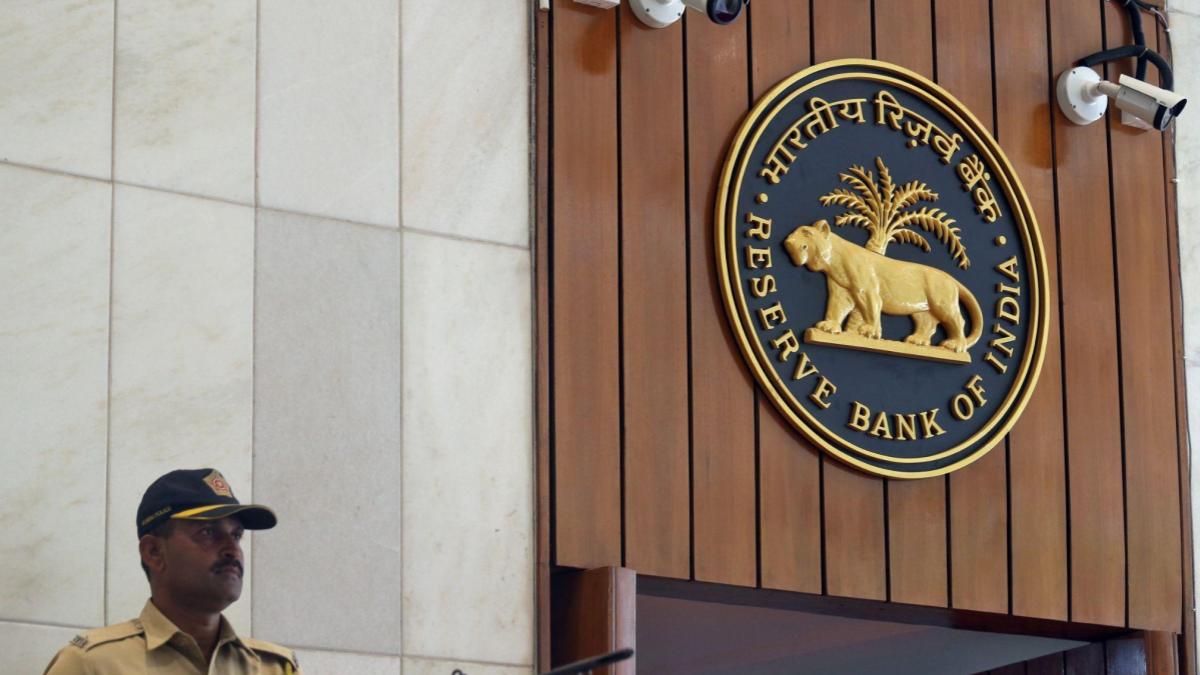
The Reserve Bank of India is planning, not for the first time, to introduce plastic banknotes on a trial basis in the country. While it offers a more durable and safer alternative to paper currencies and is cheaper in the long run, there are obstacles to making a switch, explains Ritwik Sharma
l What are plastic banknotes?
PLASTIC BANKNOTES ARE currency notes made of polymer, and not ordinary plastic. They are made from a synthetic polymer or a specially engineered polymer substrate, most commonly biaxially oriented polypropylene (BOPP). Plastic banknotes last much longer than paper currency, and therefore have a reduced environmental impact as well as cost of production and replacement.
India uses a paper currency made from a material that is a blend of 75% cotton and 25% linen. Unlike such paper currencies, which absorb moisture and dirt through exchange of hands, plastic banknotes are resistant and do not easily absorb water, sweat, or dirt. In a country like India, paper notes get soiled and damaged quickly. The Reserve Bank of India (RBI) spends a sizeable amount on collecting damaged notes and destroying or recycling them, besides printing fresh notes. In the past decade, its annual printing expenditures have ranged between Rs 4,000 crore and Rs 5,500 crore. In 2025-26, its security printing expenses were Rs 4,875 crore. Expenses shot up in 2016-17, when it had to spend Rs 7,965 crore as it had to replace the demonetised Rs 500 and Rs 1,000 notes with new notes.
l What is the RBI planning?
THE RBI IS planning to roll out polymer banknotes. Earlier this month, its currency printing arm Bharatiya Reserve Bank Note Mudran (BRBNMPL) floated a global Expression of Interest (EoI) for the supply of polymer substrate sheets embedded with security features. The EoI suggests an initial requirement of 68,000 reams of BOPP-based polymer substrate-34,000 reams each for two denominations, Rs 10 and Rs 20, for which the pilot is likely to begin. Each ream will comprise 500 sheets. The advanced security features sought includes a clear window with a portrait, metallic numeral, magnetic pseudo thread, shadow image, and iridescent patterns. The material has to compatible with the facilities run by BRBNMPL and Security Printing and Minting Corporation of India, the two entities that operate banknote printing presses.
l Has India thought of it earlier?
THE CENTRAL BANK has made similar proposals earlier. In 2009, it had proposed to introduce 100 crore pieces of `10 polymer notes as a pilot project, but the plan was later shelved. In 2012-13, too, the government planned to introduce field trials in five cities —Kochi, Mysore, Jaipur, Shimla, and Bhubaneswar — which represent diverse climatic conditions. However, it also faced operational problems including ATM dispensing jams and degradation of specialised ink in hot conditions.
The renewed interest in plastic banknotes comes at a time when cash transactions continue despite the rise of digital payments post-demonetisation a decade earlier. Digital payments via Unified Payments Interface dominate transaction counts, with 57% users preferring it compared to 38% for cash. According to the RBI’s FY26 annual report, a survey on payment behaviour among households and small retailers showed continued strong preference for cash use. The cash circulating in the economy reached Rs 42,52,183 crore in the week ended July 17, 2026.
l What are the advantages of plastic notes?
PLASTIC NOTES ARE more durable because of the ability to resist moisture, and folds much better than paper notes, besides remaining cleaner throughout. The typical lifespan of a paper banknote is one to five years, depending on the denomination value and how often it changes hands. Polymer notes last twice longer and cost less in the long run than traditional notes. A 2011 life-cycle assessment of paper banknotes by the Bank of Canada showed that switching to synthetic polymer notes resulted in 32% fewer global warming emissions; the manufacturing process needed 30% less primary energy and the notes could be recycled into plastic products such as compost bins. Enhanced security is another plus, making counterfeiting much harder for plastic notes which have features such as colour-shifting elements, transparent windows, complex holographic designs and microprinting.
l Countries using plastic notes and hurdles for India
AUSTRALIA PIONEERED THE plastic currency note in 1988 and switched completely to polymer banknotes in 1996. New Zealand, Romania, Canada, and the UK also have switched to plastic banknotes. At present, more than 50 countries have introduced them as commemorative currencies or for general circulation.
Since only a handful of firms make polymer substrate, India may have to rely heavily on imports and face high upfront costs of making the switch. Building such domestic manufacturing capabilities could be an arduous task. Given the ATM struggles in dispensing plastic banknotes in the past, upgrading the machines will involve a huge cost. In the UK, which has transitioned fully in 2022 since the introduction of the polymer banknote in 2016, the upgrade of ATMs cost an estimated £45 million; along with cash-counting machines the costs rose to £240 million.


