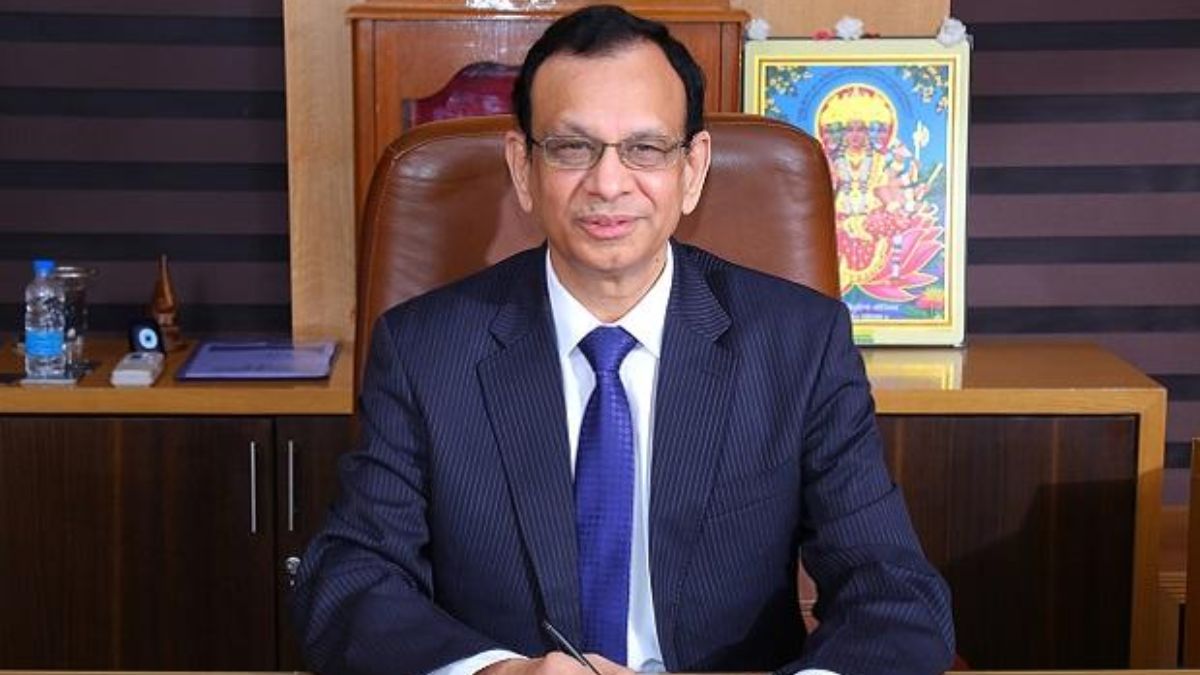
Karur Vysya Bank expects to sustain 17-18% loan growth this fiscal as credit demand remains healthy and asset quality robust. Managing Director and Chief Executive Officer B Ramesh Babu tells Kshipra Petkar that the bank has reduced the share of large corporate loans in its portfolio from 45% to 14%. Excerpts:
You reported 17% loan growth this quarter. Do you see this momentum continuing through FY27 despite several uncertainties?
Last quarter, we deliberately slowed growth because many lenders were offering credit at unsustainably low rates. We did not think it was the right time to chase business. Over the last two years, we have changed our strategy by front-loading growth in the first quarter so that it contributes to earnings through the rest of the year.
This quarter, we grew 6% sequentially across almost every business vertical. We have guided for growth of 1-2 percentage points above industry growth, but sustaining 17-18% loan growth should not be a problem. Demand remains healthy, but we will continue to be selective in onboarding customers to preserve asset quality. So far, we have not seen any material impact from the West Asia conflict.
What will drive the bank’s next phase of growth?
Over the last few years, we have transformed our portfolio by reducing the share of large corporate loans from about 45% to 14%, making the book far more granular.
Going forward, we expect new products such as loans against mutual funds and our recently launched premium credit card to contribute to growth over time. These products will help us grow both other income and yields, allowing us to diversify further.
How do you see deposit growth and the FCNR(B) scheme supporting funding?
We have already mobilised around $70 million under the FCNR(B) scheme in the last 15 days and expect momentum to improve. On deposits, our endeavour is to keep growth slightly ahead of loan growth so that the credit-deposit ratio remains comfortable.
We also expect pressure on deposits to ease as liquidity improves and overseas funding picks up.
Which loan segments are seeing the strongest demand?
Commercial banking has been the standout performer this quarter, with disbursements growing around 45% year-on-year. We are seeing healthy demand from wholesale and retail trade, food processing, textiles, transport operators and commercial real estate.
There is also good momentum in corporate lending, particularly from commercial real estate, infrastructure and NBFCs. We plan to grow the corporate portfolio by around Rs 2,000 crore this year.
Alongside conventional lending, we are also using credit substitutes, such as subscribing to non-convertible debentures issued by our customers. We already have a corporate pipeline of around Rs 600-700 crore under evaluation, and demand continues to remain healthy.
How do you see margins evolving over the rest of the year?
We continue to guide for a full-year NIM of 3.8-3.9%. We expect to maintain NIM above 4% during the second quarter, although some moderation may occur later as deposits are repriced and loan yields soften.
We will continue to calibrate the portfolio towards higher-yielding products.
Last two questions can go on the web.
How has the response been to ECLGS 5.0?
We have already disbursed Rs 75 crore under the scheme and another Rs 10 crore during the current month. There is healthy demand, but we are carefully evaluating applications to ensure the scheme benefits borrowers genuinely affected by the West Asia crisis rather than those seeking cheaper credit.
Will expected credit loss (ECL) provisioning materially affect profitability?
We had already created provisions of around Rs 100 crore over the past few years and continue to provide around Rs 25 crore every quarter. Given the quality of our loan portfolio and total provisions of around 1.7% of the loan book, we do not expect the implementation of ECL provisioning to materially affect profitability.