




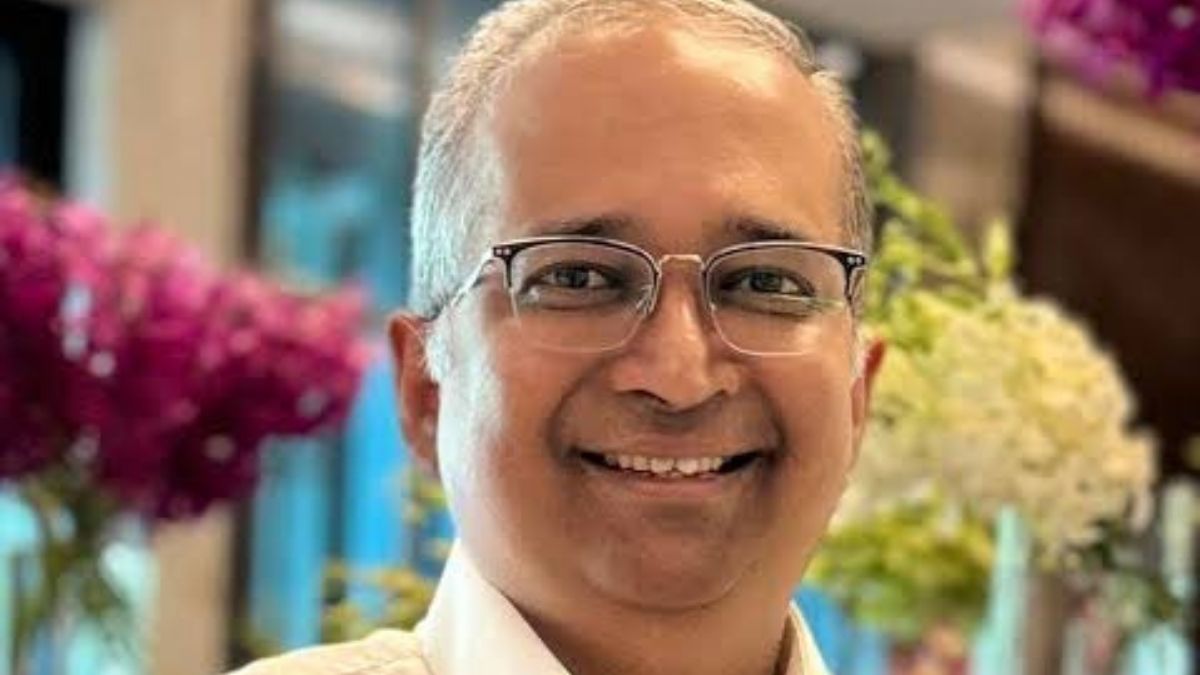
As Fly91 enters its third year, the regional airline is targeting cash break-even by the end of FY27 while expanding its fleet and network despite supply-chain and financing challenges. Manoj Chacko, managing director and CEO, speaks to Akbar Merchant about the airline’s growth strategy, profitability roadmap, operational efficiencies, UDAN, regional expansion, Lakshadweep’s success and the advantages of its all-ATR fleet. Excerpts:
Q: Fly91 reported a profitable quarter in FY26. What is your outlook for FY27?
A: FY27 will still be a loss-making year as we’re in expansion mode and carrying upfront costs for new stations, aircraft and manpower. We expect to become cash break-even by the end of FY27, with P&L break-even in the following year. If we remained a six-aircraft airline, we’d already be profitable, but our objective is to build a much larger business.
Q: What are the biggest challenges facing Fly91 today?
A: The biggest challenge is the global aviation supply chain, which is controlled by a handful of players. The second challenge is access to finance in India. The banking system needs to do more to support aviation, particularly in terms of asset financing and debt. Today, financing is readily available for smaller assets such as vehicles, but airlines continue to face limited access to funding. Banks have become cautious after the losses they incurred after some airlines went defunct, so their concerns are understandable. However, there needs to be a gradual improvement in financing support for the sector.
Q. Fly91 has doubled its fleet in two years. What is the long-term expansion plan?
A: We want to build Fly91 in a disciplined manner, with a target of 60 aircraft by 2033. The first two years were spent building the right foundation, including our pilot and engineering pipeline, customer base and business fundamentals. Aviation is a test match, not a T20, and that’s how we’ve approached growth. We remain committed to expansion, but not at any cost. We deferred an aircraft delivery due to supply chain disruptions, as delaying induction doesn’t materially increase our costs given our existing crew strength. We aim to begin FY28 with at least 11 aircraft. Our strategy is to connect major regional hubs with tier-II and tier-III cities. We currently have two operating bases and plan to expand to six over the next five years, with new destinations such as Tirupati, Visakhapatnam and Indore strengthening our regional network. Every aircraft induction and new route must make commercial sense.
Q: What differentiates Fly91 from other regional airlines?
A: We combine technology, operational discipline and a strong regional focus. Markets such as Jalgaon, Pune, Sindhudurg and Lakshadweep have performed well, and we emphasise localisation through regional language announcements and community-focused service. Our objective is to build a sustainable regional airline driven by efficiency rather than scale.
Q: How dependent is Fly91 on the UDAN scheme?
A: Not very. Only 14 of our 40 daily flights operate under UDAN. We’ve always developed routes with the intention of sustaining them after the subsidies end. The scheme helps us open new markets, but it isn’t the foundation of our business model. As far as payments go, the government’s payment track record has been excellent. We submit our VGF claims by the sixth of every month. Around 80 % of the payment is received within two weeks, with the balance coming by month-end. We’ve always followed every rule and submitted complete documentation, so we’ve never faced payment delays.
Q. Lakshadweep has emerged as one of your strongest markets. What drove its success?
A: It’s a classic example of how UDAN can help develop a market. We entered when connectivity was limited. Today, we operate daily services from Goa and double-daily flights from Kochi to Agatti, with more frequencies planned.
Q: Why are you staying away from trunk routes such as Mumbai-Bengaluru?
A: Our focus is on connecting underserved Tier-II and Tier-III cities to regional hubs. Trunk routes require a very different business model. India still has hundreds of regional city pairs with little or no competition, offering significant growth opportunities.
Q: How are you managing optimal efficiencies for Fly 91?
A: Aviation is all about efficiency because every unsold seat is lost forever. We’ve optimised schedules to bring crews back to base the same day, reducing hotel costs and improving utilisation. Technology drives our operations through automated check-in, AI-led operational insights, and real-time monitoring of delays, demand, yields and crew productivity.
Q: What advantages do ATR aircraft offer?
A: ATRs are extremely fuel-efficient, with fuel accounting for around 22% of our revenue–much lower than at airlines operating larger aircraft. Our latest ATR 72-600 aircraft with XT engines are a further 3-4% more fuel-efficient and require less frequent maintenance. We will continue with a single ATR fleet because it delivers operational simplicity, lower maintenance costs and greater efficiency. Every successful airline has been built around a common fleet type, and we have no plans to change our fleet strategy.


