




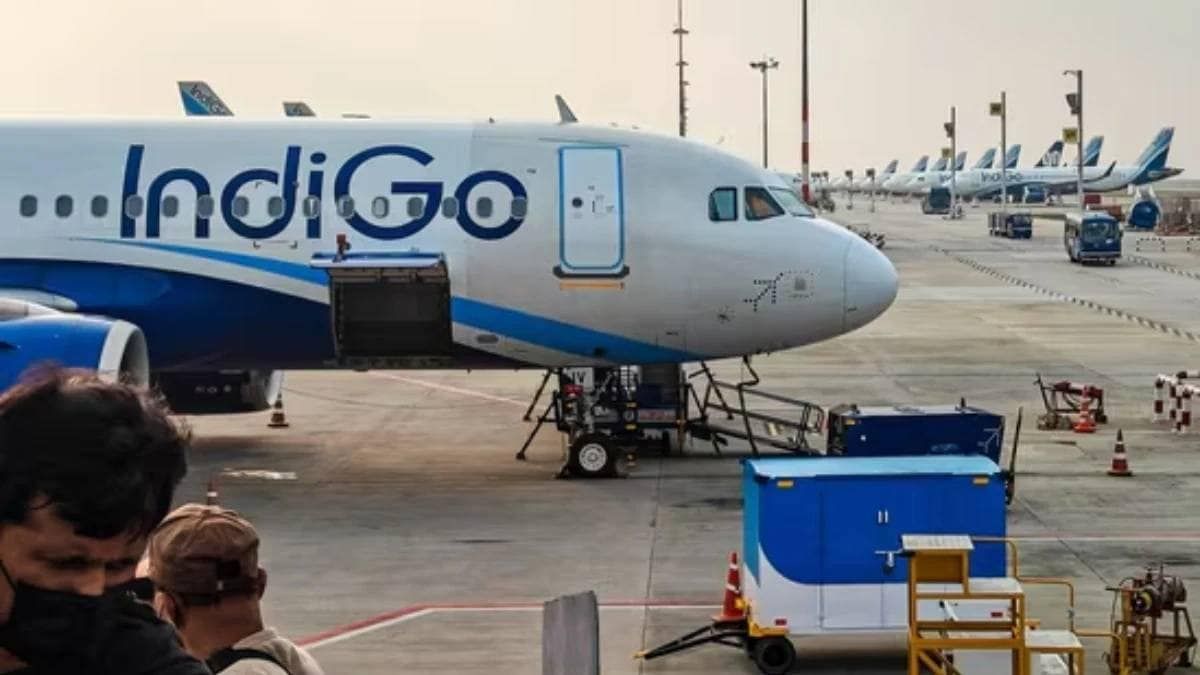
India’s largest airline IndiGo expects capacity growth to remain in the single digits during FY27 as aircraft delivery delays and global supply-chain disruptions continue to weigh on expansion plans.
In a presentation to analysts on June 8, the airline said it is undertaking capacity rationalisation measures to mitigate the impact of external headwinds, highlighting the challenges facing carriers worldwide despite strong demand for air travel.
At the centre of the issue is the Airbus A321XLR, the long-range narrowbody aircraft that is expected to form a key part of IndiGo’s international expansion strategy. The airline expects nine A321XLRs to join its fleet during FY27 and has already received two. However, deliveries of some of the remaining aircraft have been pushed back by a few months from their original schedule, reflecting ongoing production bottlenecks across the aerospace industry.
The delays come at a critical time for IndiGo, which is betting heavily on the aircraft to expand beyond its traditional short-haul network and launch more medium- and long-haul international routes. The airline plans to induct a total of 39 Airbus A321XLRs over the coming years.
Alongside the A321XLRs, IndiGo is preparing for the arrival of Airbus A350-900 widebody aircraft, each configured with more than 330 seats in a two-class layout. The airline will continue operating its Airbus A320 family fleet and ATR turboprops, while also taking delivery of two new A320-series aircraft this month.
Despite the near-term constraints, IndiGo remains financially strong, ending FY26 with a free cash balance of ₹362 billion.
The cautious growth outlook contrasts with the airline’s ambitious long-term plans. In the same presentation, Indigo also said it aims to carry around 200 million passengers annually by FY30, up from 123 million in FY26. It also plans to increase daily departures to about 3,000 from over 2,200 currently and expand its fleet to more than 550 aircraft.
The expansion roadmap comes even as the airline fine-tunes its international network. IndiGo recently announced the suspension of services to six overseas destinations between July and September, a period that typically witnesses weaker travel demand. It has also decided to discontinue Manchester flights from the end of August and return a leased Boeing 787 Dreamliner aircraft as part of efforts to manage costs and operational constraints.
Beyond network expansion, IndiGo is sharpening its focus on premium travellers. The airline expects the number of daily premium seats under its IndiGoStretch product to rise to more than 4,300 by March 2027 from over 2,800 currently.
As far as Cargo goes, IndiGo expects cargo volumes to exceed 450,000 tonnes by FY30, compared with around 360,000 tonnes in FY26, supported by additional capacity and future widebody aircraft.
The airline said capacity growth is expected to accelerate beyond FY27 as supply-chain constraints ease, while maintaining a focus on financial discipline, cost efficiency and operational reliability.


