




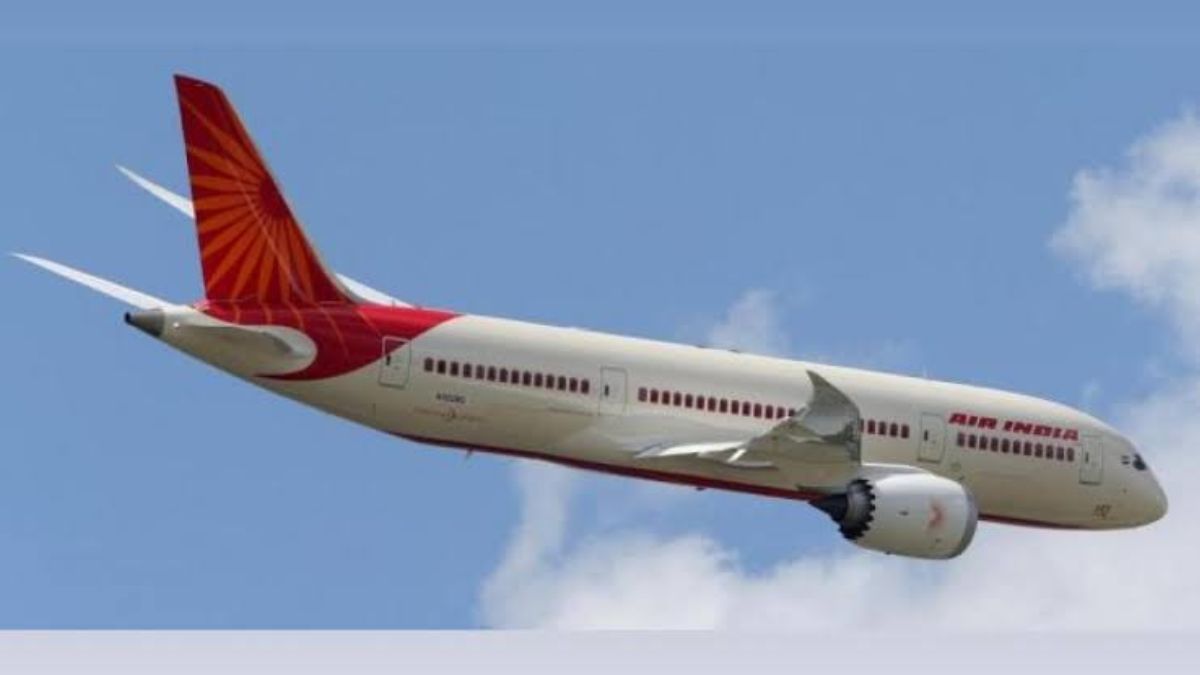
Air India has received approval from the Directorate General of Civil Aviation (DGCA) to use Electronic Technical Logbooks (ETL) as the primary technical record for its Boeing 787 fleet, marking another step in the airline’s digital transformation. The regulator has also authorised the parallel implementation of the system across Air India’s Boeing 777 fleet, according to a company release.
With the approval, Air India has become one of the first airlines to implement Electronic Technical Logbooks across its entire Boeing 787 widebody fleet. The digital platform replaces conventional paper-based maintenance records and is intended to improve maintenance management, operational efficiency and regulatory compliance.
What are Electronic Technical Logbooks?
Electronic Technical Logbooks replace the traditional paper records used to document aircraft maintenance, technical defects and engineering activities. The digital platform enables real-time sharing of information between maintenance engineers and operational teams, allowing technical issues to be reported, tracked and resolved more efficiently.
According to Air India, the system is expected to improve coordination between engineering and flight operations, enhance aircraft dispatch reliability and provide better traceability of maintenance records. The platform also supports predictive maintenance through advanced data analytics while reducing paper consumption as part of the airline’s sustainability initiatives.
Why does it matter?
The move is part of a broader shift by airlines towards digital maintenance systems that can improve the speed and accuracy of engineering operations. By replacing manual documentation with real-time digital records, airlines can reduce paperwork, strengthen maintenance governance and support quicker decision-making during aircraft maintenance.
Air India said the Electronic Technical Logbook platform also enhances data integrity, traceability and regulatory compliance while providing analytics that help support predictive maintenance. The airline added that the paperless system aligns with its efforts to modernise engineering operations and improve overall operational performance.
Part of Air India’s digital transformation
The rollout of Electronic Technical Logbooks forms part of Air India’s wider investment in technology as it modernises its fleet, engineering capabilities and operational processes under its ongoing transformation programme.
Commenting on the development, Jeremy Yew Jin Kit, Senior Vice President – Engineering & Maintenance, Air India, said in the release, “Replacing paper-based processes with real-time digital information, we are improving operational efficiency, strengthening maintenance governance, enhancing regulatory compliance and enabling faster decision-making across our engineering and operations teams.”
He added that the implementation of Electronic Technical Logbooks across the airline’s widebody Boeing fleet reflects collaborative efforts involving engineering, flight operations, digital technology teams, original equipment manufacturers (OEMs) and the aviation regulator.
According to the airline, the move reinforces its focus on leveraging technology to improve operational performance, safety, reliability and sustainability while supporting its ambition to become a modern, technology-enabled global carrier.


