




Budget 2018: The non-employee subscribers, interested in investing in NPS, must be feeling escalated with the Finance Minister proposing 40 percent exemption of the total amount payable to the pension scheme subscriber on closure of his account or withdrawing his case. It ensures that the non-salaried people now come at par with the salaried individuals, after budget 2018. Up till now, only a salaried employee was granted exemption of 40 percent on the total amount payable to him at the time of closing the account or withdrawing from it under clause (12A) of section 10 of the Act. With this announcement in budget 2018, government has ensured a level playing field for all subscribers of NPS. The amendment will come into effect from 1 April, 2019.
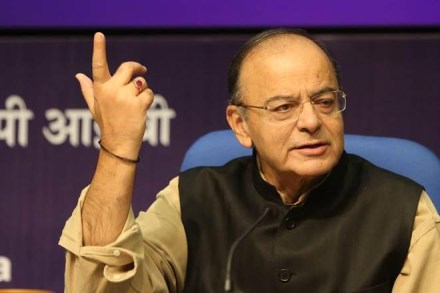
The benefit of exemption for withdrawal up to 40 percent from National Pension System Trust (NPS) has been proposed to to all subscribers and not only to salaried subscribers, said Finance Minister Arun Jaitley in his budget speech.
Also read: Calculate your income tax post budget 2018 through this Income Tax Calculator
Under NPS a subscriber can accumulate his savings during his working life. A subscriber can withdraw partially under the scheme in specific cases. In case of salaried employees, an investment up to 10 percent of salary is deductible from the taxable income. An additional investment up to Rs 50,000 is also deductible from taxable income under Section 80CCD (1B).
Also read: India economic survey 2018: Farmers gain as agriculture mechanisation speeds up, but more R&D needed
In budget 2018, Finance Minister Arun Jaitley aimed at reducing distress in agricultural sector and creating more jobs both in rural and urban economies, in order to boost growth of economy. The budget has also displayed enough prudence with respect to the fiscal situation of the economy.
Watch Video: Hindustan Power’s Ratul Puri On Budget 2018
The budget 2018 holds immense importance since it was the first after the introduction of the historic goods and services tax (GST) and the last one ahead of the general election scheduled in 2019. The budget mainly focussed on the agriculture, healthcare and rural infrastructure.


