




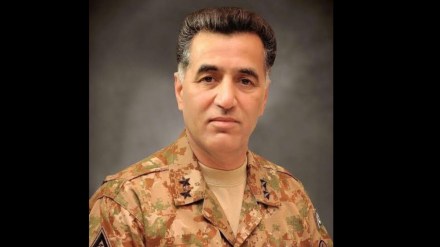
In an unprecedented move, former chief of Inter-Services Intelligence (ISI), Faiz Hameed, was sentenced to 14 years in jail by a Pakistani military court for violating the army laws. The move, prompted by allegations of misconduct linked to a private housing society near Islamabad, shatters the long-standing perception that spy chiefs are untouchable in the country where generals have long wielded unparalleled influence.
In a statement, the military’s media affairs wing said that the process of Field General Court Martial was initiated against Hameed, formerly Lt Gen, on August 12, 2024, under provisions of the Pakistan Army Act, spanning over 15 months.
Faiz first ex-spymaster to face court martial
Faiz Hameed was tried on four charges related to engaging in political activities, violation of the Official Secrets Act detrimental to the safety and interests of the State, misuse of authority & government resources, and causing wrongful loss to persons.
“After lengthy and laborious legal proceedings, the accused has been found guilty on all charges and sentenced to 14 years rigorous imprisonment,” Inter-Services Public Relations (ISPR) said.
The military did not identify who suffered such losses.
‘Hameed given ample opportunity to defend himself’
ISPR emphasised Hameed was provided full legal rights and representation during the proceedings. The former intelligence chief also retains the right to appeal the verdict before the appropriate forum.
The military court’s decision signals the military leadership’s intent that no officer, regardless of rank, will be allowed to engage in politics, security analyst Syed Muhammad Ali told AP.
The development marks a rare instance of a high-ranking former military official facing such a harsh sentence in Pakistan, where the army holds considerable influence and senior-level prosecutions are uncommon.
Hameed, who served as the director general of the ISI from 2019 to 2021, was known for his close ties to former prime minister Imran Khan.
His tenure as ISI chief also brought him into the international spotlight, especially following his presence in Kabul shortly after the Afghan Taliban’s takeover in 2021.


