




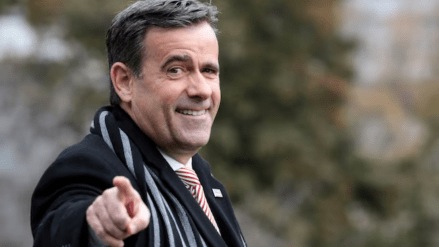
The Senate Intelligence Committee is set to hold a confirmation hearing on Wednesday for John Ratcliffe, President-elect Donald Trump’s nominee for CIA Director. Ratcliffe, a former Republican lawmaker, faces significant scrutiny due to allegations of politicizing intelligence during his tenure as Director of National Intelligence from 2020 to 2021.
Ratcliffe is expected to receive approval from the Republican-majority Senate, with U.S. intelligence agencies grappling with growing threats from China, Russia’s war in Ukraine, and the rising tensions between North Korea and Iran. However, concerns regarding his impartiality and political involvement in intelligence assessments have raised questions ahead of the hearing.
Top Democrat on the committee, Senator Mark Warner, is likely to press Ratcliffe to assure lawmakers that intelligence assessments will be unbiased and based solely on facts, irrespective of political influence. Warner has indicated he will seek Ratcliffe’s commitment to avoid dismissing CIA staff based on their political views and prioritize national security over political allegiance.
The controversy surrounding Ratcliffe stems from his handling of intelligence during the 2020 election, specifically his release of unverified Russian intelligence in September 2020. The information alleged that former Secretary of State Hillary Clinton had approved a plan to fabricate a scandal connecting Trump to Russian President Vladimir Putin and a cyberattack on the Democratic National Committee. The release was opposed by CIA and NSA officials, as the material was unverified and potentially exaggerated.
Ratcliffe’s office has denied allegations of political manipulation, asserting that the information was relevant and necessary for transparency. Despite these concerns, President Trump lauded Ratcliffe as a dedicated defender of constitutional rights and national security.
The outcome of the confirmation hearing will play a crucial role in determining the future of U.S. intelligence leadership amid increasing global challenges.


