




With Donald Trump back in power becoming the 47th President of the United States, there will be a huge impact on international trade and even on India. Trump’s business-centric approach to politics and his ‘America First’ policy could reshape international trade, stated a report by Motilal Oswal Private Wealth (MOPW). His approach involves reducing imports, particularly from China, to bolster US manufacturing. However, increased tariffs, it added, might prompt retaliatory measures from trade partners, potentially affecting US exporters in sectors like agriculture and technology.
The European Union (EU) may impose tariffs on US goods, impacting industries such as automotive and steel, and potentially slowing European growth. Emerging markets face a mixed bag of challenges and opportunities. Some countries could see increased costs for exports due to a stronger dollar and higher tariffs, particularly affecting IT and pharmaceutical sectors. Conversely, nations like Mexico may benefit by diverting manufacturing operations from China. Geopolitically, the report added that Trump’s policies are likely to intensify tensions with China and could alter alliances, as countries like Japan and South Korea reassess their strategies. The EU may seek to become more self-reliant and potentially foster new alliances beyond the US sphere of influence.
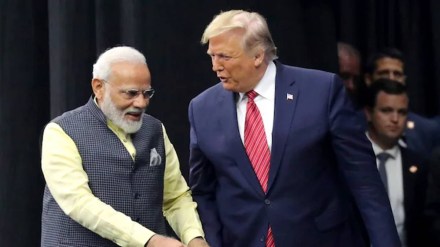
Trump’s return to the political arena has India too watching closely. While his strong rapport with Prime Minister Narendra Modi has influenced the India-US relationship, his policy preferences will bring both opportunities as well as challenges for India. For India, Trump’s policies could have varying effects.
Trump’s economic policies have consistently favoured tax reductions to stimulate growth. Under his administration, the corporate tax rate was slashed to 21 per cent and there are expectations that a second term would prioritize further reductions in corporate and individual taxes aiming to drive US market growth by boosting investments. MOPW said, “The potential for higher US corporate tax cuts may enhance IT spending, benefiting Indian IT companies. However, a stronger dollar and possible tariffs could undermine Indian exports. India could bolster its position in global supply chains, particularly in technology sectors like AI and semiconductors, due to previous investments and policy shifts such as the “China+1” strategy. Indian businesses in sectors such as pharmaceuticals and defense might also find new opportunities, especially if US- India collaboration strengthens in response to a more robust Indo-Pacific defense strategy.”
Earlier this year, Trump had called India a “tariff king” and a “very big abuser” in terms of import tariffs and had also vowed to introduce a reciprocal tax against India if elected to office. This could significantly impact Indian exports, particularly in sectors like IT, pharmaceuticals, and textiles. The US is India’s largest export market, and any imposition of tariffs could challenge India’s trade balance and impact these sectors. However, Trump has also openly praised PM Modi, suggesting that a personal connection between the two leaders could facilitate negotiations.
Donald Trump’s return to the presidency may evoke a multitude of economic and geopolitical implications, drawing from his previous policies and projected strategies.
Further, per the report by MOPW, under Trump’s administration, there might be pressure to maintain lower Fed rates, potentially bottoming at around 4 per cent. “Such a stance supports economic growth but also raises concerns about Fed independence, particularly if political pressure influences interest rate decisions. This could result in increased inflation, with predictions of it rising to 7.4 per cent under expansive fiscal policies, such as heightened defense and infrastructure spending,” it stated.
In conclusion, Motilal Oswal maintained that Trump’s second term is filled with both promises of economic growth and challenges of global trade tensions. The strength of the US dollar and fiscal policies could significantly influence global markets, driving various strategic realignments. As policies unfold, countries and sectors must remain nimble to adapt to the evolving landscape fuelled by “Trump II”.


