




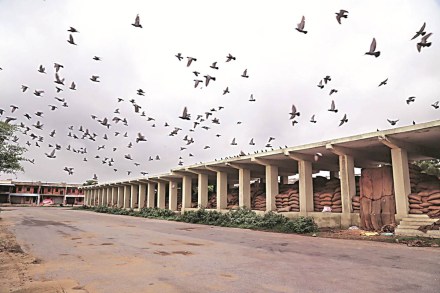
GST impact on octroi check posts: The Ministry of Finance has said that 22 states across India have abolished check posts on July 1 when the Goods and Services Tax (GST) was implemented. The abolishment of these check posts, which collected tax from mostly commercial vehicles, is the first visible impact of GST for thousands of Indians across the country. The removal of these check posts can be seen as a removal of barriers between two states within the country. The removal of these barriers can also be seen as the symbolic manifestation of ‘one nation, one tax’ policy that was also the guiding principle behind GST.
Delhi, West Bengal and Maharashtra have abolished check posts within three days of the implementation of the GST, while eight states, namely, including Himachal Pradesh, Punjab and Assam are in the process of removing these check posts, according to the Finance Ministry. These check posts scrutinise material and location-based tax compliance, resulting in delays in delivery of goods and cause environmental pollution as trucks queue up for clearance.
One big advantage of the GST, which was seen from the planning stages was that it has the potential to reduce the logistics cost by speeding up movement of goods across state borders and even within states and thereby make the country’s goods and services more competitive
Anand Mahindra, the Chairman and Managing Director of Mahindra Group, reacting to the news said ”Octroi was a clot blocking our economy’s blood flow. So GST is common sense. For so long, common sense was Uncommon”.
The Goods and Services Tax is an all-encompassing, pan-India indirect tax system. The new tax regime has cut out the cascade of multiple taxes which increase the price of items.
Other states which have removed the check posts are Andhra Pradesh, Bihar, Haryana, Gujarat, Karnataka, Kerala, Tamil Nadu and Uttar Pradesh.


