




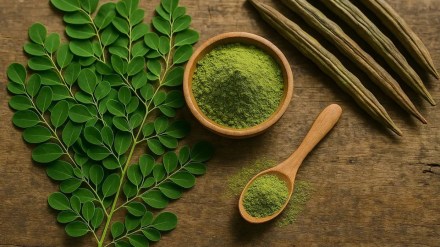
Feeling tired through the day, even after enough sleep, has become a common complaint across age groups in India. Health experts say the reason is often not stress alone, but hidden nutrient deficiencies that quietly affect energy, immunity and overall wellbeing. As people look for natural ways to improve daily nutrition, traditional foods backed by science are gaining attention again. One such ingredient is moringa, also known as drumstick or sehjan.
Often called the “miracle tree,” moringa has been part of Indian diets for generations. Today, nutrition experts say its dense nutrient profile makes it especially relevant for modern lifestyles marked by long work hours, irregular meals and rising health concerns.
A shift towards nourishment, not just calories
In recent years, the focus of nutrition has moved beyond calorie counting. People are now looking for foods that support immunity, maintain energy levels and prevent deficiencies over time.
“Moringa fits well into this shift because it provides a wide range of essential nutrients in a natural form,” said Dr Shantanu Das, Vice President and Head of Food Sciences at ITC Ltd. “It is not about quick fixes, but about strengthening the body from within through regular dietary choices.”
Moringa leaves are rich in iron, calcium, vitamin A, vitamin C, fibre and plant-based protein. According to studies published in the Journal of Food Science and Nutrition, moringa contains significantly higher iron than spinach and more calcium than milk on a dry weight basis.
Bridging common nutrition gaps in Indian diets
Despite diverse food habits, several studies show that micronutrient deficiencies remain widespread in India. Research by the Indian Council of Medical Research (ICMR) has highlighted gaps in iron, vitamin A, calcium and protein intake among both men and women.
“These deficiencies do not always show up as illness,” Dr Das explained. “They often appear as constant fatigue, low immunity, weak bones or reduced productivity. Over time, this affects quality of life.”
Iron deficiency, in particular, is linked to low energy and poor concentration. Moringa’s natural iron content helps improve oxygen transport in the body, which supports better stamina and alertness.
Supporting immunity and daily energy
Moringa’s antioxidant profile plays a key role in immune health. It contains vitamin C and beta-carotene, which help protect cells from damage and support the body’s defence system.
A study published in Frontiers in Pharmacology found that moringa leaf extract showed strong antioxidant and anti-inflammatory properties, supporting immune function.
“For people with busy routines, maintaining steady energy levels is important,” said Dr Das. “The combination of iron, vitamins and antioxidants in moringa helps support energy without relying on stimulants.”
Moringa is also a good source of essential amino acids, including lysine, which is often limited in cereal-based diets. This makes it particularly useful for vegetarian households.
Digestive health and metabolism support
Digestive issues are another growing concern, linked to stress, poor eating habits and low fibre intake. Moringa contains natural fibre and phytonutrients that help support gut health and digestion.
According to research in the Journal of Ethnopharmacology, moringa has been shown to support digestive function and help regulate metabolism when consumed as part of a balanced diet.
“These benefits align with what consumers want today—foods that are both nourishing and functional,” Dr Das noted.
Bone, muscle, skin and hair benefits
Moringa provides key minerals such as calcium, magnesium and potassium, which support bone strength and muscle function. These nutrients are essential for nerve signalling, muscle contraction and fluid balance, especially for people under physical or mental stress.
Vitamin A and antioxidants in moringa support skin health by aiding cell regeneration, while iron and amino acids help nourish hair follicles and reduce breakage.
Making moringa part of daily meals
Experts say the key to benefiting from moringa is regular, moderate consumption. While moringa is highly nutritious, it can have a slightly bitter taste.
“Moringa works best when added in small amounts and combined well with cereals like wheat, rice or millets,” said Dr Das. “This improves taste and ensures better acceptance while delivering essential nutrients daily.”
Products that blend moringa into everyday diet, such as flour, help people include it without changing their eating habits.
Small steps towards better health
Health experts stress that better nutrition does not require drastic lifestyle changes. Simple additions to daily meals can make a meaningful difference over time.
“The goal is not perfection, but consistency,” Dr Das said. “Choosing ingredients like moringa helps support immunity, energy and overall health, one meal at a time.”


