




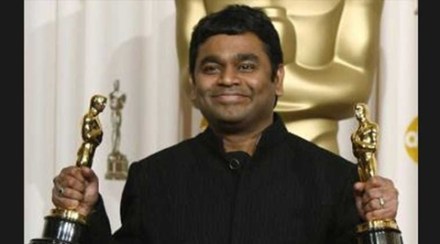
With all the hulaballo surrounding the traditional festival of Tamil Nadu, Jalikattu has now received a filip on Thursday when music maestro A R Rahman declared that he is going to fast tomorrow that is Friday in order to support the sentiments and the spirit of the people of Tamil Nadu.
The two time Academy award winner musical icon has echoed what majority in the state of Tamil Nadu are saying about Jalikattu specially after superstar Rajinikanth and Kamal Hasan have come out strongly in favour of the pro bull fighting sport. Meanwhile the Congress party has changed sides regarding its views on the ancient sport. Not far from now, in May 2016 the Congress sought to ban the sport but now it doesn’t.
The Congress along with the state opposition DMK has jointly blamed the BJP led government at the centre to hamper the sentiments of the Tamil people. In 2011 the UPA government in a list had mentioned the animals which cannot be used to perform to entertain the public but ‘bulls’ did not feature in the list. Spiritual guru Sadhguru Jaggi Vasudev had also came out in support of the ancient sport of bull taming.
While appreciating the cultural significance of Jallikattu, the Prime Minister observed that the matter is presently sub-judice.
— PMO India (@PMOIndia) January 19, 2017
Chief Minister of Tamil Nadu O Panneerselvam met with Prime Minister Narendra Modi to discuss the matter which is sub-judice in the Supreme Court (SC). The PM has expressed his recognition for the cultural significance of the sport and is currently waiting for the SC verdict on the same.
The Chief Minister of Tamil Nadu, Shri O. Paneerselvam, called on the Prime Minister today. pic.twitter.com/F5KkBQExBe
— PMO India (@PMOIndia) January 19, 2017
About Jalikattu
Jalikattu is a sport which is practiced typically in the state of Tamil Nadu as a part of Pongal celebrations wherein a running bull is released into a crowd and is chased by a group of people in an attempt to grab the hump of the bull and ride it as far as possible. It has been practiced since the Tamil classical period from approximately 400-100 BC.


