




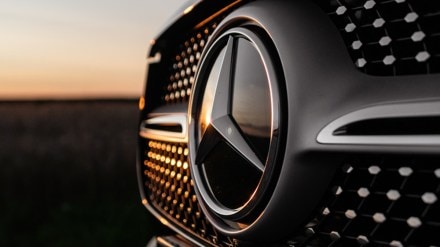
BMW and Mercedes-Benz, India’s two largest luxury carmakers, have announced price increases of up to 3% and 2% respectively across their model ranges, effective 1 January 2026, driven by prolonged forex volatility and rising operational costs.
Mercedes-Benz India said its revision, capped at 2%, has been kept “as nominal as possible” amid significant strain on its cost structure. The Euro–INR exchange rate remained above Rs 100 through 2025, a “substantial deviation” from historical levels that has sharply inflated the cost of imported components and completely built units. Elevated commodity prices, higher logistics expenses and persistent inflation have further compounded its cost pressures.
To cushion buyers, Mercedes-Benz Financial Services has introduced customised financing options to help manage higher EMIs. With nearly 80% of Mercedes cars in India bought on finance, the company expects these solutions to mitigate the impact for most customers. The brand has also indicated that quarterly price recalibrations may be considered in 2026 if currency headwinds persist.
Forex Headwinds
BMW India has announced a steeper increase of up to 3%, also from 1 January. The company cited sharp euro fluctuations, elevated input costs and rising domestic and global logistics expenses. Despite substantial local assembly, BMW continues to depend heavily on imported parts, making its cost structure highly sensitive to exchange-rate movements.
Industry-Wide Impact
Also, Audi India is also evaluating a price hike, with a decision expected soon as similar pressures affect its operations, sources tell us.
Industry observers expect more luxury carmakers to follow, given the sector-wide impact of euro strength and the rising cost of high-value imported components. The hikes set the stage for a more expensive start to 2026, even as luxury demand remains resilient.


