




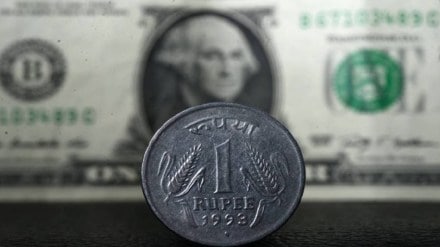
The Rupee’s slide past Rs 90 against the US dollar may impact the cost of everyday household expenses. Over the last two sessions, it reached a psychologically important level of 90 per dollar, but it has now recovered and closed at 89.40 per dollar.
In the later part of the day, the Indian rupee ended its extended slide on Thursday, bouncing back to 89.97 against the US dollar, up 0.24% from Wednesday’s close of 90.19.
Given the currency’s weakness, companies across consumer goods, mobility and retail are looking at any possible requirement to rework prices.
Fuel, energy and travel costs may rise first
India imports more than 85% of its crude oil. With crude priced in dollars, every rupee depreciation raises the purchase cost for refiners. “While export sectors like IT and textiles gain competitiveness, higher import costs for crude and raw materials will squeeze margins and widen the trade deficit,” Rajeev Sharan, Head – Criteria, Model Development & Research, Brickwork Ratings, said. “ Rising inflationary pressures could dampen consumer demand and corporate profitability, while firms with unhedged foreign borrowings may face financial stress. These pressures could weigh on credit profiles in vulnerable industries,” he added.
International holiday packages and overseas hotel bookings are also set to become more expensive. A family trip costing $2,000 now requires Rs 1.8 lakh instead of Rs 1.6 lakh just a month ago, without accounting for ticket hikes, as per Moneycontrol.
Electronics and home appliances set for 3–10% price increases
Manufacturers of smartphones, laptops, televisions and major appliances are preparing for price revisions. Many had postponed increases after the GST cut on consumer durables in September, but the steep currency movement has prompted a rethink.
“While export sectors like IT and textiles gain competitiveness, higher import costs for crude and raw materials will squeeze margins and widen the trade deficit. Rising inflationary pressures could dampen consumer demand and corporate profitability, while firms with unhedged foreign borrowings may face financial stress,” Sharan added. Furthermore, he noted that these pressures could weigh on credit profiles in vulnerable industries. Following initial volatility, we expect the rupee to settle below 90 as fundamentals rebalance and markets adjust to the new equilibrium.
Beauty and luxury goods will see stronger price pressure
India’s premium beauty and fragrance market relies heavily on imported stock priced in dollars. With 18% GST still applicable and no offsetting duty relief, distributors are facing sharp margin pressure. Prices may increase on global brands across perfumes, skincare and cosmetics.
Luxury carmakers are also signalling revisions, with the rupee fall likely to push up prices of imported and assembled high-end vehicles. Sales had recovered in October and November following tax cuts and festive demand, but the momentum now risks slowing.
Students studying abroad face higher financial strain
The impact is immediate for Indian students overseas. A typical annual fee of $50,000, which costs Rs 40 lakh when the rupee is at 80, now requires Rs 45 lakh, a jump of Rs 5 lakh in one year.
India’s dependence on global suppliers extends beyond fuels and electronics. Items likely to see upward price pressure include edible oils, where over 60% of the supply is imported. Other items are pulses, processed foods, fertilisers, plastics, machinery, etc.
What consumers can expect next?
If the rupee stays near current levels or weakens further, more price revisions may be announced in the March quarter, especially in cars, home appliances and electronics. Holiday travel, education and credit card expenses abroad may also reflect the higher rate.
Households may soon need to revisit budgets that had only recently recovered from pandemic-era stress.


