




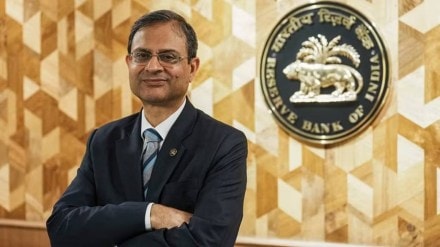
As the world looks toward 2026, uncertainty looms amid policy frameworks that continue to evolve in untested ways, reshaping the global economic order, said Sanjay Malhotra, Governor, Reserve Bank of India (RBI), in its December 2025 Financial Stability Report (FSR) released on Wednesday. In contrast, the Indian economy remains a bright spot. Strong domestic demand, benign inflation, and prudent macroeconomic policies continue to support growth despite global headwinds, he added.
India’s financial system also remains stable, aided by strong balance sheets, easy financial conditions, and low market volatility. Even so, geopolitical and trade-related uncertainties pose near-term risks, said Governor Malhotra.
“Despite an unfavourable external environment, the Indian economy is projected to register high growth, driven by strong domestic consumption and investment,” he added. “Nonetheless, we recognise the near-term challenges from external spillovers and continue to build strong guardrails to safeguard the economy and the financial system from potential shocks,” he said.
Malhotra said that 2025 was challenging, with geopolitical conflicts, trade tensions, and persistent policy uncertainty casting a shadow over the global economy and financial system. Amid these developments, he said, the world economy has proven more resilient than anticipated, and the financial system has remained steady.
Global vulnerabilities and the 2026 outlook
The Governor emphasised that 2026 is shrouded in uncertainty, as the contours of the policies reshaping the global economic landscape remain fluid and untested. In this challenging backdrop, the global financial system remains vulnerable to stretched valuations of risk assets, expanding public debt and growing interconnectedness among banks and non-bank financial institutions (NBFIs).
At the same time, rapid technological change and the expanding role of non-bank intermediation are transforming financial markets. These shifts offer efficiency and innovation, but also introduce new risks, including the growing influence of stablecoins and private credit. Together, these forces are adding fresh layers of complexity to an already fragile global financial landscape.
Innovation and Stability as the ‘North Star’
“Maintaining financial stability and strengthening the financial system remains our north star,” the governor said, underlining that stability is not an end in itself. “Promoting innovation and growth, protecting consumers, and a pragmatic approach to regulation and supervision that improves financial system efficiency are equally important,” he said.
These objectives are mutually reinforcing and vital for increasing productivity and long-term economic growth. The most important contribution policymakers can make is to foster a financial system that is robust and resilient to shocks, efficient in providing financial services, and that promotes responsible innovation, the governor said.


