




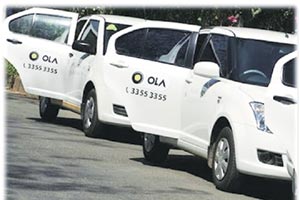
Ola, India’s largest taxi aggregator has mopped-up close to $900 mn from more than a dozen investors since 2011 when it was set up. Ola (formerly Ola Cabs) has recently (in September) also received $30 mn from Didi Chuxing (formerly known as Didi Kuaidi), China’s largest taxi hailing service to challenge US rival Uber Technologies. Ola is eyeing a valuation of above $5 billion. Ola is clearly looking to to retain its hold on a market that’s growing at 25-30% year-on-year, according to industry estimates. Here are top 10 points to know about the company:
1. Going by its claim that it has an 80% market share of the $6 billion Indian cab services market, Ola looks to be on strong ground with Meru on 12%, followed by Uber and others at 4%.
2. Ola says it is adding 1,500 cabs every day to its current fleet – in the next one-and-a-half years it is looking at one million taxis. And it expects to cross $1 billion in revenues in 2015-16, which would include revenues from TaxiForSure – a rival Ola bought in March for $200 million. Uber recently said it would invest $1 billion in India over the next six to nine months.
3. Since Ola offers huge discounts to drivers to win them over to its fold. A business magazine recently said the cab aggregator burns more than $15 million every month – a huge part of that outgo is on account of the high incentives it offers its drivers.
4. While Ola claims 20% of the total fare per ride, the rack rates have dropped from Rs 12 per kilometre in the pre-Ola days to Rs 7 per kilometre, with a starting base fare of Rs100, for a normal hatchback – Ola Mini. Uber offers the same rates to its UberGo passengers.
5. Ola is growing at 40% month-on-month in India and Uber claims that it is maintaining the same pace. Ola claims it will clock more than one million daily rides by March 31, 2016.
6. So, while it may have market share, Ola’s losses are growing. The losses could rise this year say analysts. However, Ola and its investors expect the Bengaluru-based firm to become profit before tax (PBT) positive by 2017-18. Until then, Ola is creating a cash coffer for itself to grow the business.
7. According to a study done by The Information, a global research firm, Ola, an early entrant, has a penetration of 9.76% in the Indian taxi market while Uber has just a third of that.
8. Ola is present in more than 100 cities whereas Uber in only 18 cities. But 90% of Ola’s traffic comes from the top 7 cities. “Uber has been growing like Ola since the first quarter of this year when its business was disrupted over a rape involving a driver,” writes Amir Efrati, in a report for The Information.
9. Ola has maintained over 40% month-on-month growth since its inception as a cab aggregator (as opposed to the ownership model prevalent at the time.).
9. Using the Ola mobile app, users can book from over 2,50,000 cabs and another 65,000 vehicles across auto-rickshaws, kaali-peeli (black and yellow) taxis and yellow taxis (in Kolkata) – Ola added autos and black-and-yellow taxis to its fleet last year.
10. To get a higher market and mind share, Ola wants to control the network of cars as well. In September, it started buying cabs and lending them to new drivers. By December 2015, at least 10,000 cars are expected to be on-road under the leasing model. The leasing company will be a wholly owned subsidiary of Ola – it will lease the car for three years, and after that the driver will own the vehicle. Ola plans to facilitate another Rs 4,500 crore of investment for leasing from financial institutions. Ola is eyeing 100,000 leased cars on the platform.


