




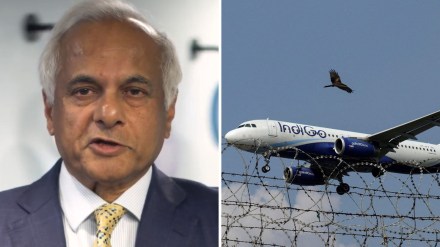
Days after the IndiGo crisis left Indian travellers frustrated by mass cancellations, Vikram Singh Mehta, the chairman of IndiGo’s board, said the airline did not create the flight chaos on purpose. In his first address, Mehta told people that the trouble came from a mix of factors, including minor technical issues, winter schedule changes, bad weather, increased congestion at airports, and new crew-rest rules (FDTL).
He said these factors together overwhelmed IndiGo’s systems. Calling the incident “a blemish on this airline’s pristine, clean record,” Mehta admitted the company had made mistakes and added, “There is no denying this.”
Mehta claimed that the airline did not attempt to bypass the FDTL rule. “IndiGo has followed the pilot fatigue rules as they came into effect. We operated under the new rules throughout, both in July and in November. We did not attempt to bypass them,” he said.
IndiGo chairman: ‘Crisis not a deliberate action’
Mehta said he was asked to comment earlier but chose to wait. The board’s first job, he said, was to stand by CEO Pieter Elbers and the team, fix operations, and help passengers. Now that flights have mostly stabilised, he felt it was the right time to explain what happened.
In an almost 8-minute-long video message, released by the airlines on December 10, Mehta said, “The disruptions of last week did not happen because of any deliberate action. They happened because of a combination of internal and unanticipated external events, including minor technical glitches, scheduled changes linked to the start of the winter season, adverse weather conditions, increased congestion in the aviation system, and implementation of and operation under the updated crew rostering rules. This is not an excuse. This is simply the truth. Clearly, this combination of events pushed our systems beyond their limits.”
Message from Vikram Singh Mehta, Chairman and Non-Executive Independent Director of IndiGo pic.twitter.com/sySacxlFq0
— IndiGo (@IndiGo6E) December 10, 2025
Mehta shared that the Board held an emergency meeting immediately after the crisis began. A crisis management group was formed and has been working daily with the airline’s leadership team to restore normal operations.
The board was watching the FDTL change — IndiGo chairman
Several claims over the past few days have surfaced saying the board wasn’t involved in the FDTL issue. Mehta said that’s wrong. He said the board, and the board’s risk committee, got important updates from management for many months about how the new rules would be put in place. FDTL rules allow pilots more rest and change how late-night flying is scheduled. These rules were imposed to reduce pilot fatigue and make flying safer. They were decided in January last year but were rolled out in two parts, from July 1 and then from November 1. The second phase (from Nov 1) came as a surprise for IndiGo and disrupted the operations in mass. The rules meant the airline needed either more pilots or to cut some flights to follow them.
He added, “There has also been a claim that the board was not engaged. This is not correct. The board has been closely involved with this matter for many months. Both the board and the (board’s risk management committee have received relevant information from the management on the implementation of the rules.”
How bad the disruption was, and how it’s looking now
The operations were disrupted for eight consecutive days before IndiGo managed to stabilise some of its services. The worst day was Friday, when over 1,600 flights were cancelled. By Tuesday, IndiGo operated more than 1,800 flights to all destinations again. Its on-time performance (OTP) also returned to above 80%. The airline expected to operate around 1,900 flights the following day.
Mehta said the Board had decided to bring in external experts to study the root cause and help guide corrective actions, so “this level of disruption never happens again”.


