




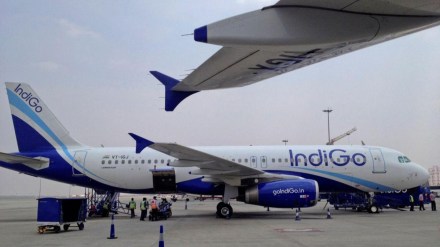
InterGlobe Aviation (IndiGo Airlines) on Monday said it will raise allowances for pilots and cabin crew from January 1, as flight operations stabilise following disruptions triggered by a pilot shortage earlier this month.
In an internal communication to its flying crew, the airline said layover and deadhead allowances for pilots will be increased from the start of the new year.
Crew allowances will increase by how much?
Allowances will rise by Rs 500 for first officers and by up to Rs 1,000 for captains. Other components, including night stop, tail-swap and transit allowances, will see increases ranging from Rs 500 to Rs 2,000, according to the email.
Layover allowances are paid when pilots and cabin crew are required to stay overnight at an outstation as part of their duty roster, with the airline also arranging hotel accommodation. Deadhead allowances apply when crew members travel as passengers on a flight to reposition for an operational assignment.


Wave of cancellations
The move follows a period of operational strain in early December, when the airline cancelled a large number of flights over several days, citing crew availability constraints. Between December 3 and December 9, nearly 4,000 flights were cancelled, including about 800 international services, according to aviation regulator data.
On December 9, the Directorate General of Civil Aviation directed the airline to temporarily reduce its schedule by 10% across sectors, with a focus on high-frequency routes, while avoiding cuts on sectors where it operates a single daily flight. The airline subsequently pared capacity across its network to comply with the directive.
The disruptions also prompted a revision to its financial outlook for the third quarter of FY26. The carrier has lowered its capacity growth guidance from high-teens levels to the high single to early double-digit range. Unit revenue expectations have also been revised downward, reflecting the impact of cancellations and reduced utilisation during the period.
The airline said it continues to work on restoring its full schedule and improving operational resilience.


