




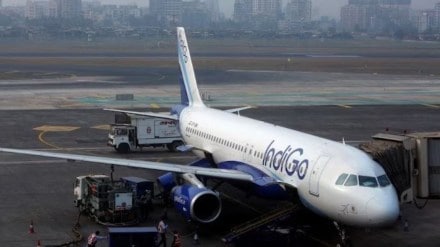
The ongoing IndiGo Airlines crisis that left thousands of passengers stranded at airports across the country has once again revived attention on India’s largely overlooked travel insurance market, which makes up less than 1% of the ₹3-lakh-crore general insurance industry.
Air travel across India has been in disarray over the past week after the country’s largest airline, IndiGo, cancelled more than 4,500 flights starting last Tuesday, leaving thousands of passengers stranded at airports nationwide. The carrier, which operates about 2,200 flights a day, has been grappling with a pilot shortage triggered by its slow transition to the government’s revised flight duty and rest regulations introduced early last year.
Low demand for travel insurance in India
Despite record air travel and frequency of such delays and cancellations, demand for travel insurance in India is yet to take off. According to The Insurance Regulatory and Development Authority of India (Irdai) data, only 7.5 million lives were covered under 23.23 lakh overseas travel policies in FY24, resulting in premium collections of ₹1,099.04 crore. The domestic travel insurance segment is even smaller, generating a paltry ₹125.53 crore in premiums despite insurers covering 43.31 crore lives under 1.62 lakh policies. (The latest travel insurance data is not available.)
Narendra Bharindwal, President, Insurance Brokers Association of India, attributes the muted demand to several structural and behavioural factors. He notes that in most developed markets, “travel insurance is seamlessly embedded at the time of ticket booking through airlines, OTAs, or card-linked benefits.” In India, however, he says, “the purchase journey is still largely optional and unprompted, so customers tend to skip it unless mandated for visas or international travel.”
A lack of product awareness also contributes to low uptake. Travel insurance typically compensates for flight delays, cancellations, missed connections and baggage issues — all of which have become more common with rising air traffic. Yet, Bharindwal says, “many domestic passengers assume travel insurance is only for rare events like accidents.”
With annual premiums of under ₹1,500 crore, travel insurance (domestic & international) contributes less than 1% to the general insurance industry’s nearly ₹3-lakh-crore gross premium pool.
What did Sudhish Ramteke say?
Sudhish Ramteke, Associate Director & Head – Property Practice, Anand Rathi Insurance Brokers, says domestic travel insurance hasn’t grown because most passengers believe they don’t really “need” coverage for short trips, expect airlines or DGCA rules to handle delays and refunds, or already receive small embedded covers through credit cards, IRCTC or OTAs. “Low awareness, trust issues around claims, and the extra effort required to buy an add-on at checkout also reduce interest,” he says.
This subdued demand persists even as India has emerged as the world’s fifth-largest aviation market, handling 211 million passengers in 2024 — overtaking Japan’s 205 million — according to the International Air Transport Association (IATA).
Still, some believe the recent disruptions like IndiGo may push travellers to reconsider. Saurabh Vijayvergia, Founder & CEO of insurtech firm CoverSure, says the recent flight disruptions have renewed awareness about the relevance of travel insurance.
According to Vijayvergia, most travellers who did not take travel insurance might still have these protections such as trip delay, baggage loss, accidental cover through the credit cards they hold and use for booking their travel. “We are trying to bring mass awareness to such embedded benefits and urge people to make use of these perks.”
Anand Rathi’s Ramteke notes that domestic travel insurance protects passengers against the most common risks of air travel — delays, cancellations, missed connections, and loss or delay of baggage — while also offering personal accident benefits and support services during travel. International travel cover, he adds, is far more comprehensive, providing overseas medical and hospitalisation expenses, emergency evacuation, repatriation, loss of passport, personal liability and even benefits such as hijack distress allowances or compassionate visits for family members.


