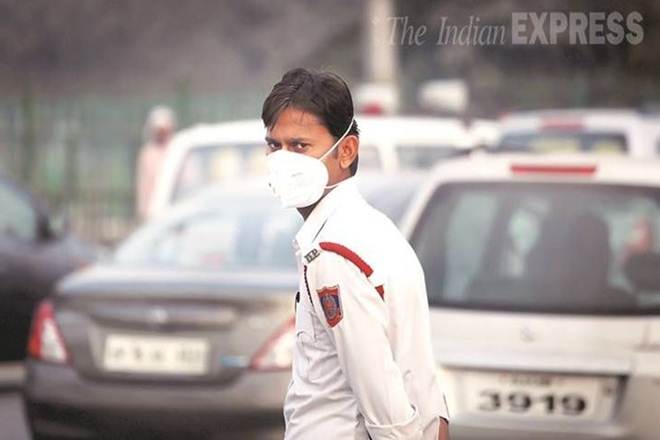
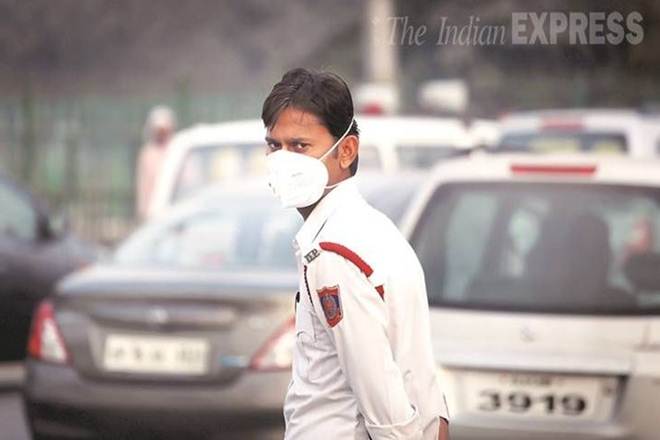
If the argument is about congestion on the roads, the odd-even scheme is a proven method of bringing it in control. However, if it is about reducing air pollution, should we be relying on the vehicle rationing system? Delhi CM Arvind Kejriwal said on Wednesday that the scheme that started on 4 November and is to end on 15 November may be extended further if required. On Wednesday, the Delhi-NCR region experienced ’emergency’ zone pollution levels for the third time in the past 15 days. Kejriwal blamed stubble burning in neighbouring states for repeated episodes of smog in Delhi and said it has hit Delhi’s image worldwide.
“I remember German Chancellor Angela Merkel was in Delhi a few days ago … when a public health emergency was declared. What kind of image of Delhi she must have carried to her country,” he said.
“The air quality oscillated between the good and moderate categories in the early part of this season because of our continuous efforts to check pollution. But it deteriorated due to the intrusion of stubble plume from Punjab and Haryana,” he said.
“The number of farm fires reduced in between due to rains in Punjab and Haryana. It led to a decline in Delhi’s pollution. The incidents of stubble burning have shot up again. These states are not even following the Supreme Court’s directions. Delhi people are suffering because of it,” he said.
Kejriwal reiterated that paddy straw can be used to produce compressed natural gas (CNG) and coal which will also increase the income of farmers.
“I have met many experts. I am myself an engineer. Stubble can be converted into CNG. The foundation stone of an industry that can convert paddy straw into CNG has been laid. I have talked to Indraprastha Gas Limited and they are ready to procure all CNG produced from stubble,” he said.
Many factories, which can convert stubble into coal, have come up in Punjab. National Thermal Power Corporation Limited is ready to purchase all the coal produced through this method, he said, adding these measures will also help generate employment and increase the income of farmers.
According to the government’s air quality monitor, SAFAR, the share of stubble burning in Delhi’s pollution is predicted to be 22 percent on Wednesday. It was 25 percent on Tuesday.
Should it be extended?
In all of his statements from a PTI report, the Delhi chief minister has pointed out to crop stubble burning in the neighbouring states as the primary reason behind alarming air pollution levels. There have been arguments in the past whether odd-even actually is beneficial for air quality.
Odd-even rule might not reduce air pollution but here’s how it’s making life easier
We read through a study conducted by IIT Kanpur recently which states that vehicular pollution contributes to about 20%, of which passenger cars make up for just 2% air pollution. However, the study also says that two-wheelers cause about 56% of the pollution.
For a fact, the odd-even rule only applies to passenger cars in personal use – cabs, public and goods transport vehicles, two-wheelers and others are exempt. Hence, the question arises that if by grounding half the personal cars, the improvement in air quality is only about 1% – is it worth going through the inconvenience?