
China’s automobile market is growing and it’s doing so fast. Not just in the sheer number of vehicles that sell in the country every year, but also in terms of technology. The latest one comes in the field of driverless cars, but not the autonomous kind. During the Shanghai Auto Show, a manufacturer showcased a steering wheel that could control a real car 1200 km away in Beijing.
You must have experienced a substantial lag between incoming and outgoing voice during conversation made on Internet-based applications like WhatsApp. But the lag in input on the steering wheel and the response from the real car only has about 10-millisecond delay, according to the developer China Mobile.
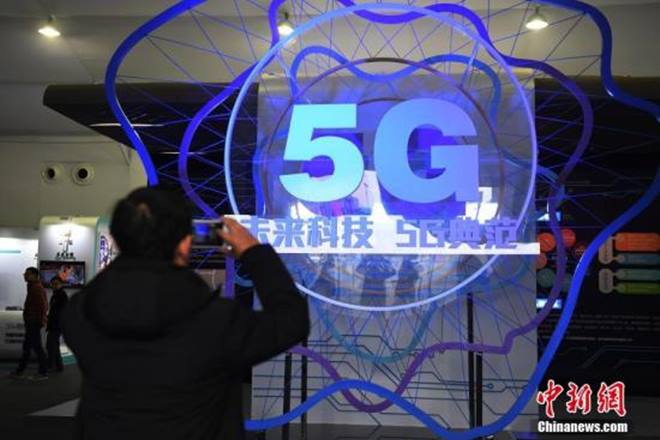
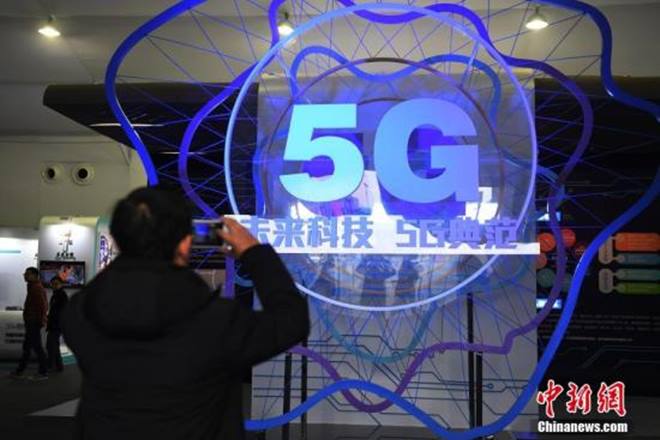
Recent reports suggest that China is planning to launch its first 5G highway in Hubei province. China Mobile’s Hubei branch is planning locations for 5G base stations across the highway sections in the province to run tests on smart toll stations, according to the operator, Xinhua reported.
It is also applying for 5G-based autonomous driving tests on local highways. The 5G network, or the fifth generation wireless network, promises faster speeds, less lag, or “latency,” when connecting to the network and the ability to connect many devices to the Internet without bogging it down.
The 5G-based smart expressway would make it possible to gather real-time traffic information and make predictions based on the big data, according to the network operator.
Thirty-one 5G base stations have been built in Wuhan, capital of Hubei, by the end of 2018. China Mobile plans to spend one billion yuan (147 million U.S. dollars) this year to build another 2,000 stations in the province.


