
As India grapples with persistent air pollution challenges in the winter months, the anticipation for the introduction of Bharat Stage 7 (BS7) emission norms is at an all-time high, with both automakers and consumers waiting to see how the new norms affect the Indian auto sector. Speculations are rife that these stricter regulations, aligned with Euro 7 standards, may spell trouble for popular diesel-powered vehicles, potentially leading to higher prices or even the discontinuation of certain models.
While no official announcement has been made by the Ministry of Road Transport and Highways (MoRTH), industry experts and reports suggest BS7 could accelerate the decline of traditional diesel engines if the government decides to pursue the BS7 emission norms era.
The push for cleaner emissions gained momentum in 2023 when Union Minister Nitin Gadkari urged automakers to proactively prepare for BS7 compliance, emphasizing alignment with global standards to reduce health and environmental impacts from vehicular pollution.
BS7 emission norms: What the stricter rules could do to your car-buying plans
BS7 norms are expected to introduce several key changes, with a heavy focus on diesel vehicles. A standout feature is the “On-Board Monitor” system, designed to measure emissions in real-time during actual driving conditions—going beyond the current On-Board Diagnostics in BS6 vehicles.
The norms will likely impose uniform limits on pollutants like nitrogen oxides (NOx), bringing diesel engines in line with petrol at stricter levels (around 60 mg/km). Additional regulations may cover non-exhaust emissions, such as brake dust and tyre particles, further increasing compliance costs.
Petrol engines are anticipated to face minor adjustments, but diesels could require extensive upgrades, including advanced after-treatment systems. This has raised concerns about viability, as manufacturers may find it uneconomical to retrofit older engine platforms, leading to potential price hikes and reduced sales volumes.
Impact on iconic models: Fortuner, Harrier, and the diesel SUV segment
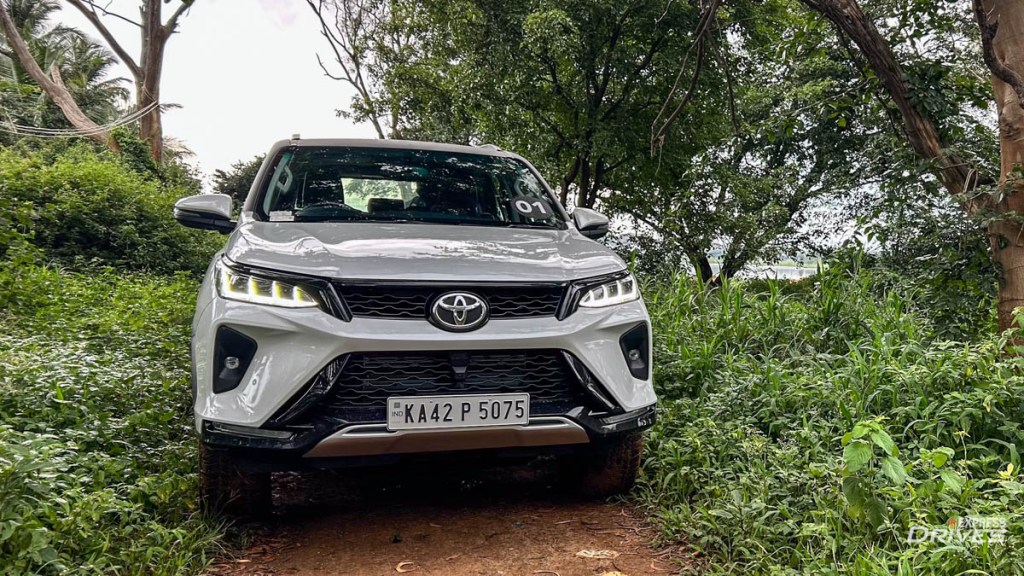
Popular diesel SUVs could bear the brunt of these changes. The Toyota Fortuner, powered by its renowned 2.8-litre diesel engine, is frequently cited as a model at risk if upgrades prove too costly.
Similarly, the Tata Harrier‘s 2.0-litre Fiat-sourced diesel may face challenges, though Tata holds licensing rights to potentially modify it. Other diesel-heavy vehicles in the SUV and pickup segments might see manufacturers switch to petrol, hybrid, or electric alternatives to avoid steep development expenses.
Industry observers warn that BS7 could signal a “gradual death” for conventional diesels in passenger vehicles, pushing automakers toward strong hybrids or electrification. While some predict phased implementation starting in major cities, the overall transition is expected to make vehicles more expensive, affecting buyer preferences in a market where diesel SUVs remain highly sought after for their torque and efficiency.
As discussions continue, automakers are reportedly investing in R&D to adapt, but the final shape of BS7 norms—and their exact timeline—awaits official confirmation from the government.


