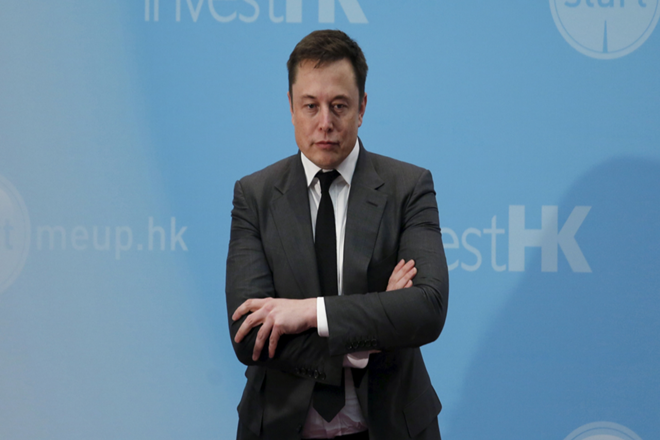

Tesla boss Elon Musk has said in a Twitter exchange that he is back to sleeping at the factory so ad to personally overlook the production of the Tesla Model 3 electric car. It’s a move reminiscent of Tesla’s last vehicle launch—the Model X—when Musk famously kept a sleeping bag near the production line so he could immediately address any hiccups. The tweet came after Information wrote a piece on Musk’s closer involvement in the production process. Elon Musk asserted that he was stepping in to oversee the electric sedan’s production as senior VP of engineering Doug Field was being pushed out. Musk insisted it’s “better to divide & conquer, so I’m back to sleeping at factory.” “Car biz is hell,” he added.
About a year ago, I asked Doug to manage both engineering & production. He agreed that Tesla needed eng & prod better aligned, so we don’t design cars that are crazy hard to build. Right now, tho, better to divide & conquer, so I’m back to sleeping at factory. Car biz is hell …
— Elon Musk (@elonmusk) April 2, 2018
In the testy Twitter exchange, Elon Musk at one point said, “Uhh, hello, I need to build cars.” And true that, he really needs to build cars.
About a year ago, I asked Doug to manage both engineering & production. He agreed that Tesla needed eng & prod better aligned, so we don’t design cars that are crazy hard to build. Right now, tho, better to divide & conquer, so I’m back to sleeping at factory. Car biz is hell …
— Elon Musk (@elonmusk) April 2, 2018
The first time Elon Musk resorted to sleeping at the factory was in November when Musk had anticipated the company would manufacture more than 1,500 of the cars by the end of September, however, there were only 260 of them made in the third quarter.
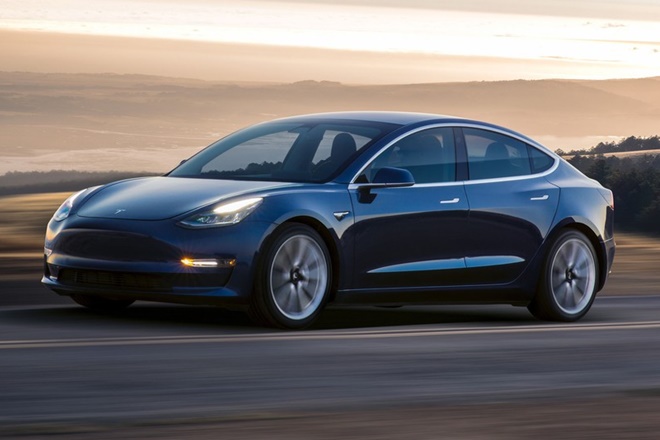
Tesla Inc. is under enormous pressure to build the Model 3 fast enough to meet customer demand—and to bring in revenue to offset billions of dollars spent preparing for its rollout. An experimental tracking model developed by Bloomberg estimates that Tesla was able to produce 9,285 Model 3s for the quarter, and achieved a final burst of production of as much as 2,200 cars a week.