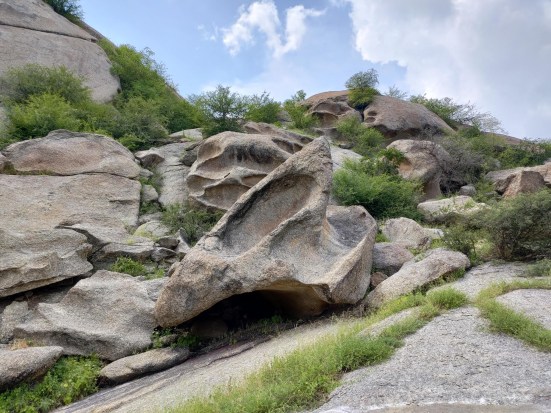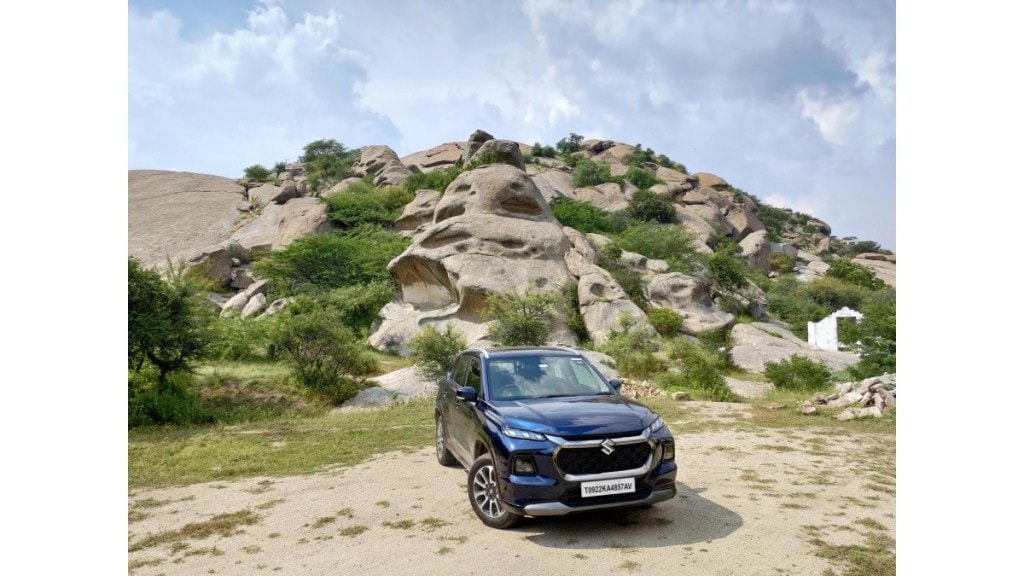
During our car shoots last year, we came across some of the world’s oldest rocks – older even than life on land, so old that it has taken wind millions of years to carve them into beautiful formations. Most of these rocks are in the deep Aravalli Range – west and northwest of Udaipur.
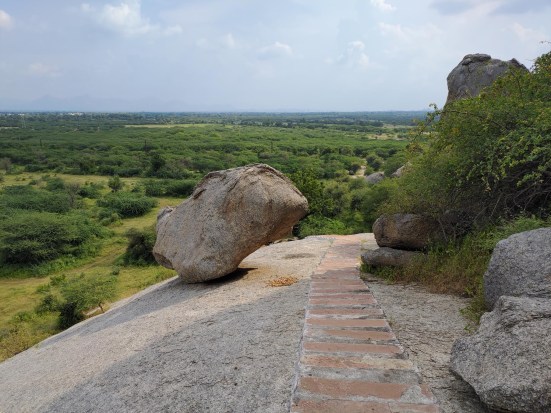
A Timeline Carved in Stone: Older than Life Itself
Geologists say that the Aravalli Range is 340-670 million years old. That is older than humans (5 million years ago), older than India part of Gondwana sliding towards Angara, or Eurasia (40-50 million years), older than dinosaurs (230 million years to 65 million years), and around the same time when life started shifting from oceans to land (600 million years).
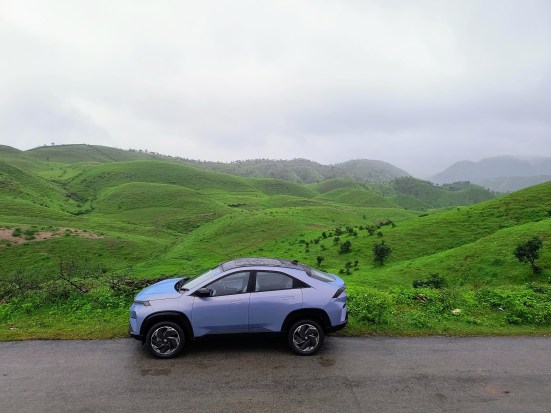
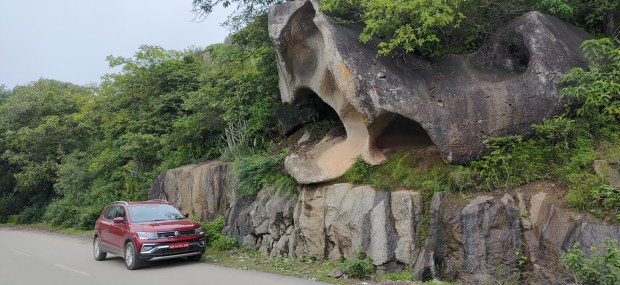
Ironically, after millions of years of resistance against the elements (wind, water, heat), these ancient structures face not wind, but bureaucratic ‘erosion’ – after a controversy erupted over a proposed definition that would only protect hills taller than 100 metres. Do we need to trade millions of years of geography for a few decades of mineral extraction?
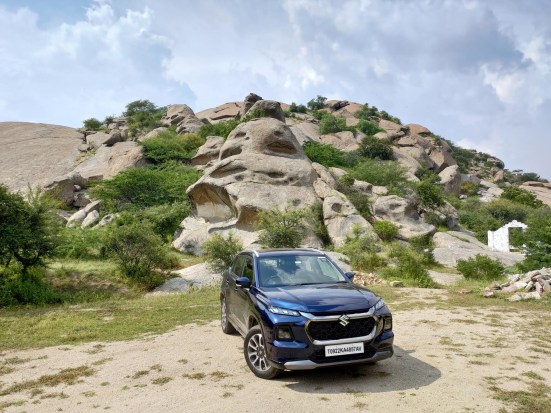
From Leopard Sanctuaries to Balancing Boulders
These places include Perwa, 125 km northwest of Udaipur, which is famous for leopards living on hillocks carved by wind. It gives them some protection from elements, and natural caves to raise their litter. Then there is a delicately-balanced rock that was once part of a huge bounder – but millions of years of wind erosion and rainfall has taken its toll. Yet it might last a million years more. Some rocks bruised by wind – wind has carved granite rocks near Mount Abu into other-worldly shapes – and some other have reached the end of life, relatively speaking, like the one that looks like a peacock’s head and will last a few thousand more years, if saved from the mankind.