



The United States has named five Indian nationals and two Mumbai-based companies in its latest round of sanctions linked to Iran. The move is part of Washington’s efforts to cut off Iran’s oil revenue and target networks it accuses of helping Tehran continue selling petroleum despite US restrictions.
The US Treasury Department’s Office of Foreign Assets Control (OFAC) announced the designations on October 8. The five Indian nationals named in the action are Harishyam Hariharan Chundakattil, Ketan Manohar Kochikar, Bhupendrasingh Dhalsingh Sahu, Dhwani Nisarg Vora and Nisarg Samir Vora.
The two companies named are Samudra Marine Services Private Limited and SSPL Solutions Private Limited, both based in Mumbai.
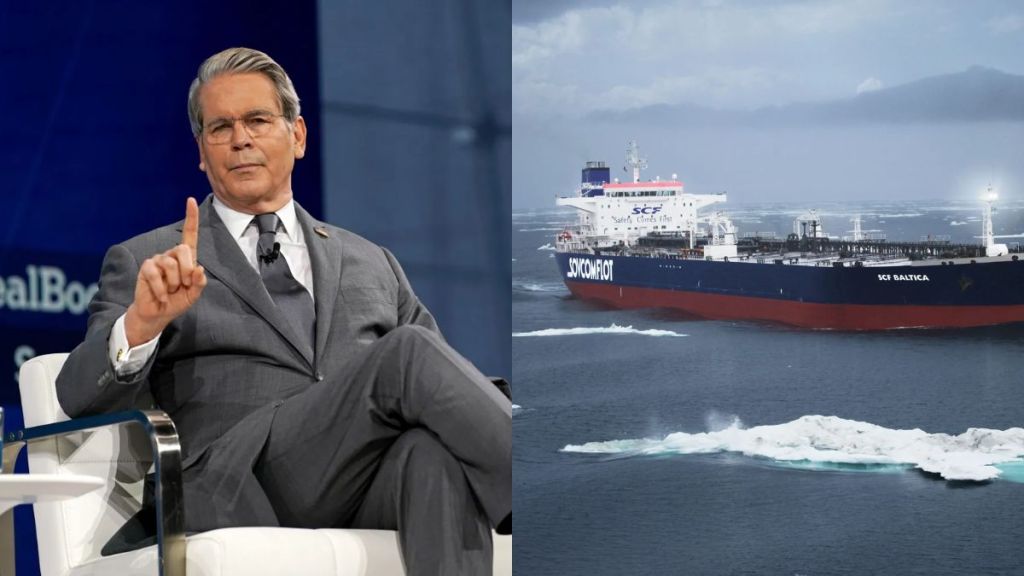
Apart from that, the department has also imposed fresh sanctions on Iran, targeting 17 vessels accused of transporting Iranian crude oil, petroleum products and petrochemicals
Which Indian nationals and companies have been named?
According to the US Treasury’s records, Chundakattil, Kochikar and Sahu are linked to Samudra Marine Services Private Limited. Dhwani Vora and Nisarg Vora are linked to SSPL Solutions Private Limited.
The designations were made under Executive Order 13846, which allows the US government to impose sanctions on Iran’s petroleum sector and other activities covered by the order.
However, the Treasury’s records list the five individuals and their links to the two companies without explaining the specific roles each person allegedly played in Iran-related activities.
Why has the US stepped up sanctions against Iran?
The latest action is part of Operation Economic Outcast, a US campaign announced by Treasury Secretary Scott Bessent in August. The campaign aims to restrict Iran’s access to revenue and disrupt networks that Washington accuses of helping the country avoid sanctions.
Under US sanctions rules, property and financial interests belonging to designated individuals or entities must generally be blocked if they are in the United States or are held or controlled by US persons. Such property must also be reported to OFAC.
US persons are generally barred from carrying out transactions involving those placed on the sanctions list unless an exemption applies or the authorities grant permission.
The restrictions can also affect international businesses and financial institutions that deal with the designated individuals or companies, depending on the nature of their transactions and whether they fall under US sanctions rules.
US says sanctions target Iran’s remaining oil shipping network
The Treasury Department said the 17 vessels were linked to Iran’s “shadow fleet”, a network of ships used to move oil and other energy products despite US sanctions.
According to the department, the vessels are registered in more than a dozen jurisdictions and have transported millions of barrels of Iranian crude oil, petroleum products and petrochemicals.
Washington has long accused Iran of using money earned from illegal oil sales to support its government and groups it considers terrorist proxies. By restricting these sales, the US hopes to weaken Tehran’s finances and reduce its ability to fund the war.
Treasury Secretary Scott Bessent said the US would continue to target those helping Iran sell oil despite existing sanctions.
“Treasury is starving the tyrannical regime in Tehran of the money it uses to wage war in the region, and we will continue exposing those who enable the regime’s oil sales,” Bessent said in a statement.
“No enabler of Iranian sanctions evasion is safe from the full force of Treasury’s authorities,” he added.
The vessels named in the latest announcement include the Comoros-flagged Paritosh, the Panama-flagged Bitu and the Bahamas-flagged Gas Lucky.
Other vessels targeted include the Vanuatu-flagged TINA 5, the Comoros-flagged liquefied petroleum gas (LPG) tanker SOGL and the Cameroon-flagged crude oil tanker SHENZHEN.
The Treasury Department said TINA 5 transported more than 1.5 million barrels of Iranian crude oil in August. The SOGL has moved more than two million barrels of Iranian propane and butane since September 2025, while SHENZHEN has transported more than 3.5 million barrels of Iranian crude oil since November 2025.
All 17 vessels have been newly designated under the latest sanctions.
Iran’s oil shipments hit by US blockade of ports
The new sanctions come as the US blockade of Iranian ports puts further pressure on the country’s oil trade. Washington reimposed the blockade on July 14 after a memorandum of understanding between the US and Iran aimed at ending the war broke down.
Speaking to Reuters, one Treasury official said Iran had stopped loading and unloading oil from vessels because of the continuing blockade and sanctions.
Data from commodities analytics firm Kpler showed that Iran had not loaded any crude oil for export since August 25.
According to a Treasury official, Iran has only about 20 million barrels of crude oil remaining on vessels outside the blockade, in waters near Singapore, Malaysia and China. By comparison, the world consumes about 100 million barrels of oil every day.
Iran war disrupts oil markets and pushes up US fuel prices
The war between the US and Iran, which began on February 28, has disrupted the global economy and caused sharp movements in oil and gas prices.
Iran has sought to keep the Strait of Hormuz shut. The waterway is one of the world’s most important routes for transporting oil and gas from the Gulf region to international markets.
The conflict has also pushed up petrol prices in the US ahead of the November 3 midterm elections.
The national average price of petrol stood at $4.36 per gallon on Thursday, according to the American Automobile Association (AAA).
Meanwhile, US President Donald Trump said on social media on Thursday that Washington was having “productive discussions” with Iran over the war. He also said the US would not attack Iran before the November 3 midterm elections.