


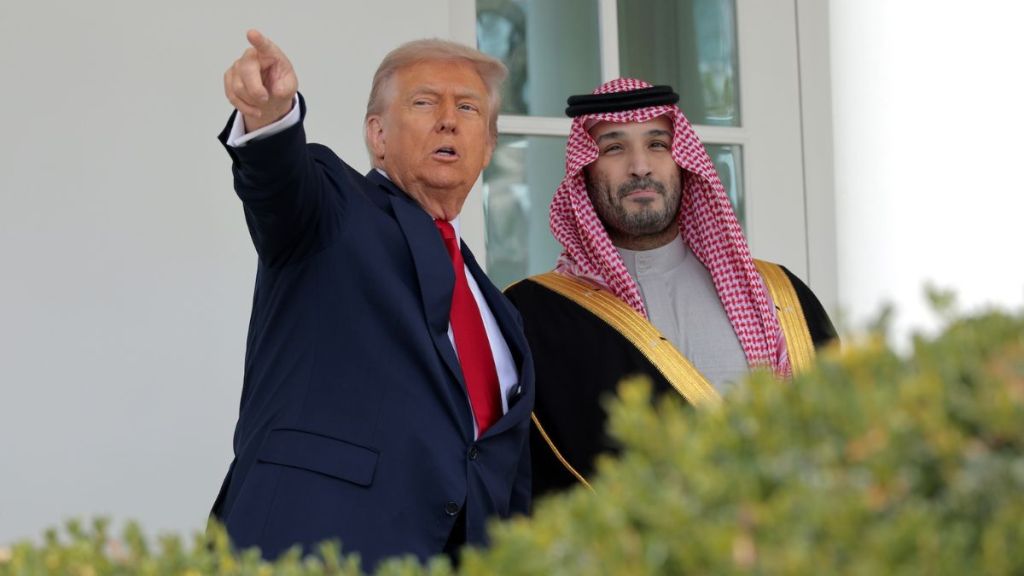

The United States has advanced a potential $24.3 billion sale of nearly 50 F-35 fighter jets to Saudi Arabia, moving the kingdom closer to gaining access to one of the most advanced military aircraft in the US arsenal.
The Trump administration has approved the proposed transfer of 48 F-35 Lightning II jets, along with 49 Pratt & Whitney engines and other equipment, according to the US State Department. The deal still needs to go through a 30-day congressional review period, during which lawmakers can scrutinise or attempt to block the sale.
This marks an important step in Saudi Arabia’s long-running effort to acquire the F-35. It also comes as Riyadh faces intensified attacks from the Iran-backed Houthis in Yemen and seeks stronger military capabilities to deal with regional threats.
What is in the deal?
The proposed package includes 48 F-35 fighter jets manufactured by Lockheed Martin, along with 49 Pratt & Whitney engines and other related equipment.
The F-35 is a stealth fighter designed to reduce its visibility to enemy radar and improve its ability to operate in contested airspace. Saudi Arabia has sought the aircraft for years, but Israel has so far been the only country in the Middle East to receive access to the fighter.
One F-35A jet costs about $82.5 million, according to the BBC. The overall $24.3 billion package is significantly larger because it includes engines, equipment, support and other elements connected to the potential transfer.
The US State Department has argued that the proposed sale would strengthen Saudi Arabia’s ability to deal with threats while also supporting broader US interests in the Gulf.
“This proposed sale will support the foreign policy and national security objectives of the United States by improving the security of a major non-NATO ally that is a force for political stability and economic progress in the Gulf region,” the State Department said in a statement.
Why Saudi Arabia wants the F-35
Saudi Arabia has been seeking the F-35 for years as it looks to modernise and strengthen its military capabilities. The timing of the proposed deal is significant because Saudi Arabia is facing renewed fighting with the Houthis, an Iran-backed armed group based in Yemen. The Houthis have launched drone and missile attacks and have been involved in fighting Saudi-backed forces in Yemen.
The conflict also has implications for the Red Sea and the Bab el-Mandeb Strait, a strategically important shipping route. As reported by Al-Jazeera, the US sources cited in the material say the Houthis have recently increased attacks and sought to expand their control along parts of Yemen’s Red Sea coast.
The proposed F-35 sale therefore comes at a time when Riyadh is seeking to improve its ability to deter and respond to threats.
The State Department said the proposed sale would help Saudi Arabia deter current and future threats. It also said the transfer would “not alter the military balance in the region”, explaining the longstanding US policy of ensuring that Israel retains a military advantage over potential regional rivals.
The Israel factor
The F-35 deal has a major regional dimension because of Israel. Washington has historically been cautious about providing the aircraft to other Middle Eastern countries because Israel is guaranteed under US law access to weapons that preserve its qualitative military edge over regional adversaries.
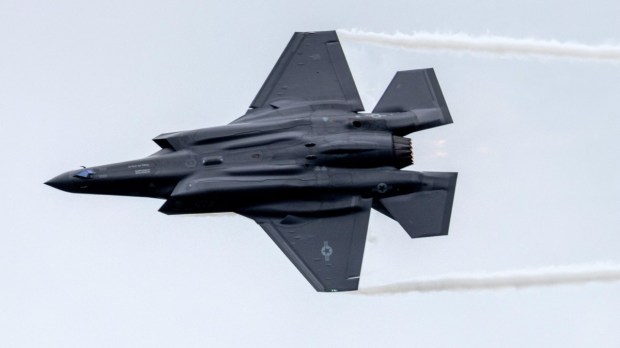
Saudi Arabia’s acquisition of 48 F-35s would give it a fleet comparable in size to Israel’s current fleet of about 50 aircraft. Israel, however, is also planning to expand its own F-35 fleet. Its Foreign Ministry announced in May that it would procure another squadron, which would eventually take its fleet to 100 aircraft, according to the Jerusalem Post.
The US administration maintains that the proposed Saudi sale would not undermine Israel’s military advantage. The issue is likely to remain an important part of congressional scrutiny as lawmakers examine the proposed transfer.
Why China is a concern
The most significant US concern around the deal is not only the regional military balance. It is also the possibility that sensitive F-35 technology could become accessible to China.
The F-35 contains highly advanced technology, including systems related to stealth, sensors and electronic warfare. US lawmakers and officials have raised concerns that Saudi Arabia’s growing relationship with China could create a risk of sensitive technology being obtained by Beijing.
The New York Times, according to the material cited by NBC and Al Jazeera, reported that US intelligence analysts had raised the possibility that China could obtain F-35 technology through espionage in Saudi Arabia or through its partnership with the kingdom.
Representative Raja Krishnamoorthi, a Democrat from Illinois and a member of the House Intelligence Committee, has opposed the sale on those grounds.
“We must not sell our most advanced fighter jet anywhere the CCP may be able to get its hands on the technology inside it.”
Other Democratic lawmakers and some US defence officials have also raised concerns about the possibility of sensitive technology reaching China.
Saudi Arabia’s growing defence relationships outside Washington are also part of the broader picture. The country signed a mutual defence agreement with Pakistan and Türkiye last month, according to Al Jazeera, in a move described as a sign of efforts to build security partnerships that rely less heavily on Washington.
Congress still has a role
Regardless of the administration’s approval, the F-35 transfer is not yet a completed sale. Congress has 30 days to review the proposed deal and could attempt to block it. Lawmakers have previously scrutinised major arms agreements with Saudi Arabia.
Those concerns intensified after the 2018 killing of Saudi journalist Jamal Khashoggi. Congress questioned arms deals with Riyadh during the period that followed the killing.
The congressional review means the administration’s approval is an important step, but it does not represent the final delivery of the aircraft. The State Department has also not provided a timeline for when the jets could be delivered.
US-Saudi defence relationship
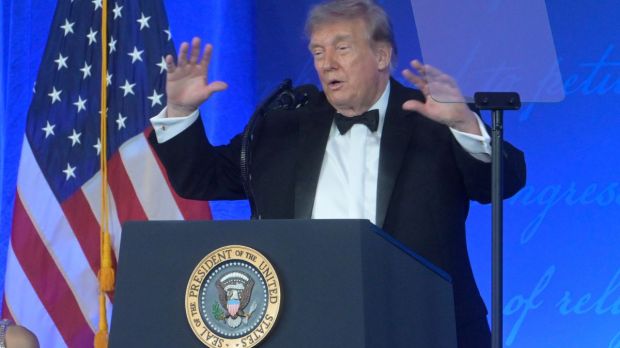
The F-35 proposal is part of a much larger expansion of US-Saudi defence ties under the Trump administration. During Trump’s visit to Riyadh in May 2025, Saudi Arabia agreed to purchase $142 billion in US military equipment and services. The White House described the package as the largest defence sales agreement in history.
The Trump administration has also prioritised Saudi Arabia as a major US defence customer. The latest F-35 proposal builds on that broader relationship and could further deepen defence cooperation between Washington and Riyadh. The State Department said the sale would also support the US defence industry.
“President Trump has made clear that Saudi Arabia is an anchor for regional security, and increased capabilities for the Saudi armed forces benefits the security of the United States and the wider region,” a State Department spokesperson told NBC. “The sale strengthens the U.S. defense industrial base and ensures Saudi Arabia continues to buy American.”
What happens next?
The immediate next step is the 30-day congressional review. If the deal clears that process, Saudi Arabia would move closer to joining the small group of countries that operate the F-35. The transfer would also mark a significant development in the US military relationship with Riyadh.
At the same time, the proposed sale raises questions over Israel’s military advantage and the protection of sensitive US defence technology, particularly given Saudi Arabia’s expanding relationship with China.
The proposed $24.3 billion F-35 package is therefore about more than the aircraft themselves. It is also a test of how Washington balances its defence partnership with Riyadh against its wider security commitments in the Middle East and its concerns over China.