




The Republican Party suffered major defeats in Texas, Georgia and Ohio in the 2026 elections. Democrats won key races in all three states, defeating several candidates backed by President Donald Trump. The results came as a setback for Trump, whose party had performed strongly in the 2024 presidential election.
Each state had its own political issues, there were some common reasons behind the Republican losses. Rising prices, dissatisfaction with Trump’s policies, weak Republican candidates and stronger Democratic campaigns may have all contributed to the results.
Here are six possible reasons why Republicans lost ground in these states.
Rising cost of living
Rising prices appear to be one of the biggest reasons behind the Republican losses. According to BBC, Americans have been dealing with higher prices of groceries, petrol, electricity, housing and healthcare. Many voters expected Trump to improve the economy, but the rising cost of everyday essentials has added to their financial difficulties.
Democrats made these concerns a major part of their campaigns. They spoke about reducing household expenses and making healthcare and housing more affordable.In Texas, Republican Senator Ted Cruz admitted that the party had failed to understand the financial difficulties faced by voters. He pointed to rising gas, grocery and insurance costs.
The issue was also important in Georgia, where Democratic candidates spoke about rising electricity and gas bills. In Ohio, Democrat Amy Acton focused on healthcare costs and affordability. This tells us that voters were more concerned about their daily expenses than the political promises made by Republicans.
Trump’s policies hurt Republican candidates
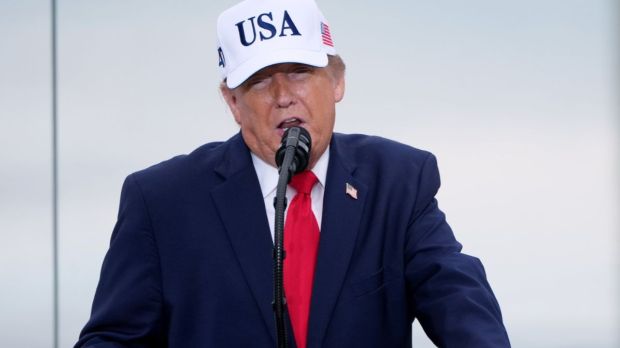
Trump’s falling popularity may have also affected Republican candidates. His decisions on tariffs, immigration and the war with Iran became major election issues. The war with Iran also pushed up fuel prices after the Strait of Hormuz was disrupted. Many Americans were unhappy with the decision to enter the war. This created another problem for Republicans, as voters began connecting the rising cost of fuel with the president’s policies.
As per NBC, the war also created a political problem for Trump among his own supporters. During his campaign, he had promised to avoid involving the US in new wars. The military action against Iran was seen by some of his supporters as going against that promise.
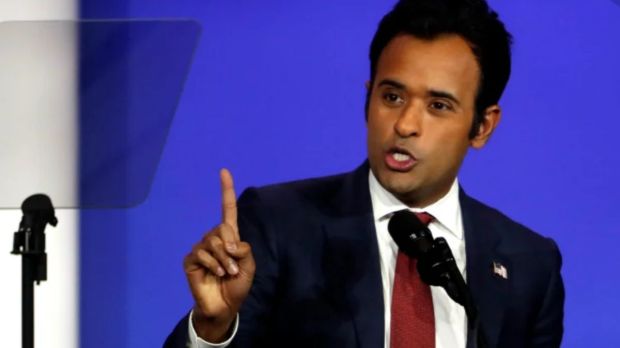
Trump’s popularity had also weakened among some sections of voters who supported him in 2024. Republican candidates in Texas, Georgia and Ohio were closely associated with Trump. His support had helped them earlier, it may have become a disadvantage in an election where voters were unhappy with his administration. In Ohio, for instance, Vivek Ramaswamy had Trump’s support but still lost to Democrat Amy Acton.
Hispanic voters moved towards Democrats in Texas
The change among Hispanic voters was another important factor in Texas. In the 2024 presidential election, Trump made significant gains among Hispanic voters. This helped Republicans strengthen their position in Texas. However, the 2026 election showed signs of a change. Democratic Senate candidate James Talarico received strong support from Hispanic voters. His campaign focused on everyday issues such as the economy, healthcare and the cost of living.
Trump’s immigration policies may have also affected Republican support among these voters. Many Hispanic voters were unhappy with strict immigration enforcement and the actions of US immigration authorities. A pre-election poll by The New York Times and Siena University found that Talarico had strong support among Hispanic voters in Texas. He led Paxton 61% to 29% among Hispanic voters in the survey.
The change is important because Hispanic voters make up a significant part of the state’s electorate. Republicans had benefited from their support in 2024, but the latest results suggest that the party may have lost some of those voters.
Republican candidates faced their own problems
The candidates chosen by Republicans may have also contributed to their defeats. In Texas, Republican Senate candidate Ken Paxton faced several controversies, including legal issues and an impeachment process. His personal life also became a subject of public attention during the campaign.
His opponent, James Talarico, had a more positive public image and focused on issues such as healthcare and the economy. In Ohio, Vivek Ramaswamy faced Democrat Amy Acton, a former public health official. Acton presented herself as a candidate who understood the problems faced by ordinary people. In Georgia, Republicans had disagreements over their candidates even before the main election campaign began.
Trump supported Burt Jones in the gubernatorial primary, but billionaire businessman Rick Jackson eventually won the Republican nomination. There were also disagreements over the party’s Senate candidate. Trump’s preferred candidate, Mike Collins, won the nomination despite Governor Brian Kemp backing Derek Dooley. As per BBC, these internal differences may have affected the party’s unity. They also showed that Trump’s influence over Republican candidates was not always enough to secure the results he wanted.
Democrats ran focused campaigns
Democrats also benefited from choosing candidates who focused on issues that mattered to voters. Instead of making every campaign about Trump, they spoke about rising prices, healthcare, housing and jobs. In Texas, James Talarico attracted support from both Hispanic and white voters. His campaign focused on affordability and healthcare. In Ohio, Amy Acton used her experience in public health to connect with voters concerned about healthcare. In Georgia, Keisha Lance Bottoms focused on housing costs, job creation and the rising cost of living.
Bottoms’ victory was particularly significant. She became the first Black woman elected governor in the United States. Democrats also worked on improving their ground-level campaigns. They organised phone calls, door-to-door campaigns and local meetings to reach voters.Their focus on everyday problems may have helped them connect with people who were unhappy with the Republican government.
More voters turned towards Democrats
The results also point to a possible change in voter behaviour. Democrats made gains in areas that had supported Trump in the 2024 election.
In Texas, several Hispanic-majority areas moved towards Democratic candidates. In Georgia, Democrats had already performed well in the 2025 elections for the Public Service Commission, which regulates public utilities. These earlier victories showed that voters were increasingly concerned about electricity and gas prices.
In Ohio, Democrats also benefited from support among independent voters.There were also concerns about voter turnout among Republicans. Some reports pointed to lower participation in rural areas, which are important sources of Republican support. If fewer rural voters turned out, it could have made it harder for Republican candidates to secure victories.
However, it is too early to say that these voters have permanently moved away from Republicans. Some may have voted for Democrats simply to express their dissatisfaction with Trump’s government.
What does this mean for Republicans?
The results in Texas, Georgia and Ohio are a warning sign for Republicans ahead of the 2028 presidential election.The party can no longer assume that Trump’s popularity will automatically translate into votes for Republican candidates.
Rising prices, dissatisfaction with government policies and problems with candidate selection have created an opportunity for Democrats. However, the results do not necessarily mean that these states will remain Democratic in future elections. Midterm elections often favour the party that is not in power at the national level. Republicans faced growing anger over the economy and Trump’s policies, Democrats managed to turn that anger into votes. Whether this marks a lasting change in American politics will become clearer in the 2028 presidential election.