


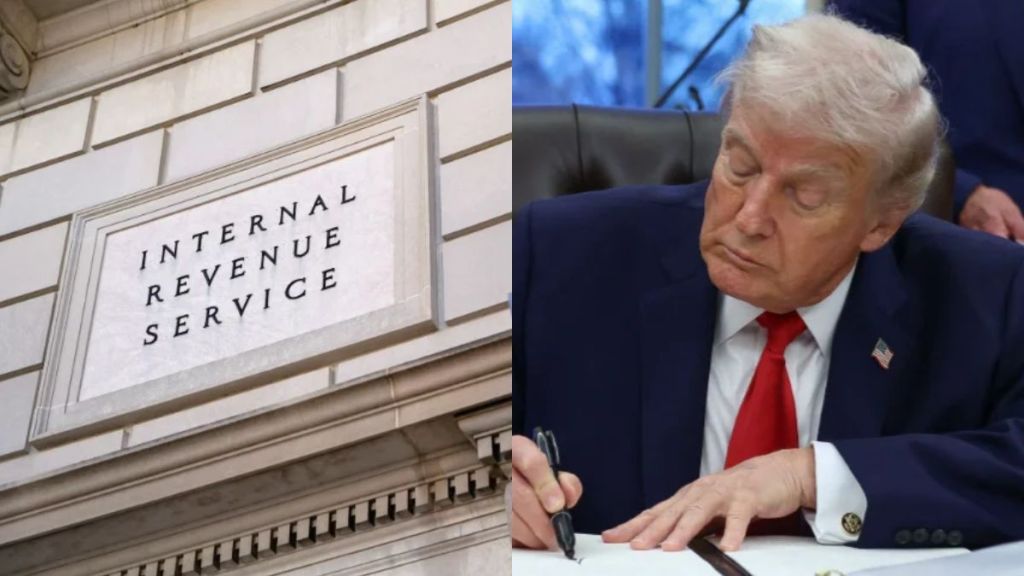

Stepping into his second presidential term last year, Donald Trump initiated a full-blown ‘America First’ campaign that has since seeped into every branch of rule-making in the United States. The Republican president’s administration has endlessly ramped up efforts to boost American presence in jobs, curbing even legal entry points into the country for foreign workers.
The widespread crackdown is now expanding its reach to block certain lawfully present immigrants from accessing the tax credit that helps lower health insurance premium costs. Certain immigrants, whose income is 100% below the poverty line and who are not eligible for Medicaid due to their immigration status, will be barred from accessing the premium tax credit in tax years starting in 2027, according to rule proposals presented by the Internal Revenue Service (IRS) and the US Department of the Treasury, in a Federal Register notice Wednesday (US time).
According to the official IRS website, the premium tax credit (PTC) is “a refundable credit that helps eligible individuals and families cover the premiums for their health insurance purchased through the Health Insurance Marketplace.”
Trump admin’s new steps to block immigrants from health insurance benefit
The Trump administration said the IRS regulations (REG-101576-26, RIN 1545-BS15) proposed this week will help concerned authorities “ensure taxpayer-funded subsidies go only to eligible American taxpayers,” strengthen eligibility checks, and close gaps in the verification process by putting the Working Families Tax Cuts’ Premium Tax Credit reforms into effect.
“Hardworking American taxpayers should not be forced to subsidize health care for people who are ineligible under federal law,” said US Treasury Secretary Scott Bessent, as quoted by the IRS newsroom.
“Today’s proposed rules implement the common-sense reforms enacted by the Working Families Tax Cuts to close eligibility loopholes and ensure taxpayer-funded Premium Tax Credits are reserved for eligible Americans. Under President Trump, this Administration is cracking down on fraud and corruption; holding bad actors accountable; lowering health care costs for Americans; and restoring integrity to our tax code and health care system.”
‘America First’ approach targets immigrants
Like crackdown efforts related to employment-related visa programs, the Trump administration says its proposed IRS regulations also seek to prevent “fraud and abuse” of benefits offered to immigrants.
In late September, Vice President JD Vance and other Trump admin officials announced plans to remove 760,000 Affordable Care Act enrollees from public healthcare exchanges over “fraud” claims, referring to some enrollments lacking Social Security numbers or immigration documentation.
This week’s proposal finds its basis in a provision included in the Republicans’ 2025 tax-and-spending law. According to the Congressional Budget Office, an estimated 1 million immigrants who are legally present in the United States are expected to lose coverage under the Affordable Care Act due to the law changes, resulting in an estimated $91.4 billion being saved over the next decade.
Back in August, the IRS floated blocking undocumented immigrants from the refundable part of individual tax credits, including the earned income tax credit, the additional child tax credit, and the American opportunity tax credit.
On Wednesday, the US Senate Committee on Finance said that the Working Families Tax Cuts are helping more Americans save for health care expenses by expanding access to Health Savings Accounts (HSAs). The official US government website stated that only 2% of people insured through the federal Affordable Care Act marketplace were enrolled in HSA-eligible plans, which provide a tax-advantaged way to save for qualified medical expenses, before the law went into effect.
According to the Department of Health and Human Services website, approximately 19.2 million Americans are actively enrolled in ACA marketplace health plans as of early 2026.
Disclaimer: This article is for general informational purposes only and does not constitute legal, immigration, or tax advice. Immigration laws and government policies are subject to frequent change without notice. While we strive to provide accurate updates, readers are strongly advised to verify the latest requirements with the official embassy, consulate, or government portal of the respective country. The views and opinions expressed by the experts quoted herein, if any, are their own and do not necessarily reflect the views of the publication. Financial Express is not responsible for any decisions made based on this information.