


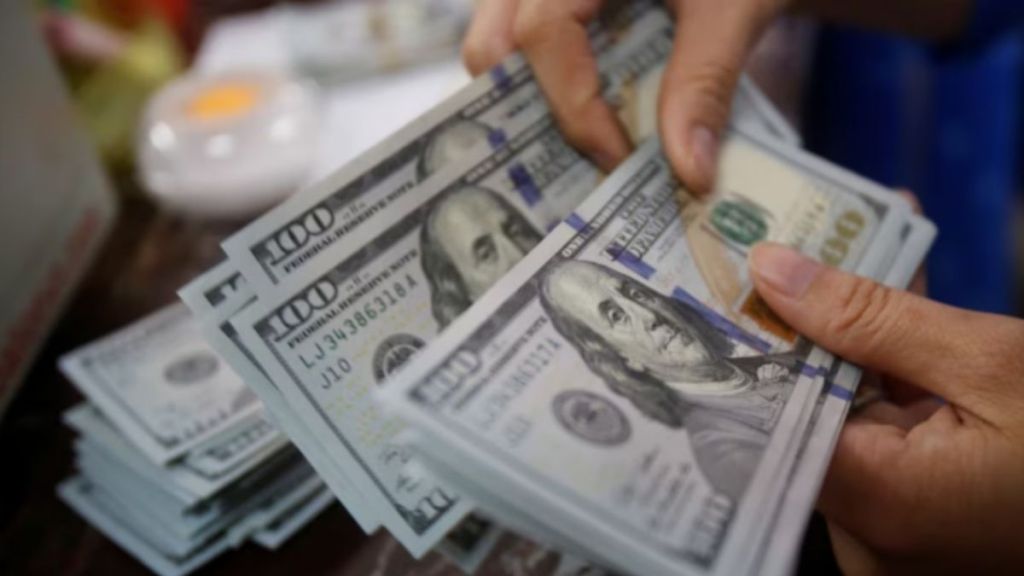

Nearly 1 million Americans could receive a $500 payment from the federal government under a new Trump administration programme linked to Affordable Care Act health insurance.
The White House calls the initiative the Working Families Obamacare Refunds. It says eligible Obamacare enrollees in 30 states will receive the payments because they paid premiums that included excess fees charged to insurers using the federal ACA marketplace.
The White House announced the programme on September 10 and said payments would begin in October.
But the refund comes with specific eligibility rules, and health policy experts have disputed the administration’s description of the money as a simple “overcharge.”
Who qualifies for $500 Obamacare refund?
The programme covers eligible ACA marketplace enrollees in 30 states that use the federal Healthcare.gov marketplace.
The states are: Alabama, Alaska, Arizona, Arkansas, Delaware, Florida, Hawaii, Indiana, Iowa, Kansas, Louisiana, Michigan, Mississippi, Missouri, Montana, Nebraska, New Hampshire, North Carolina, North Dakota, Ohio, Oklahoma, Oregon, South Carolina, South Dakota, Tennessee, Texas, Utah, West Virginia, Wisconsin and Wyoming.
The main group targeted by the programme is people who paid the full cost of their ACA premiums and did not receive premium assistance.
The programme will primarily cover people earning more than 400% of the federal poverty level who did not qualify for subsidies, along with some people between 100% and 400% of the poverty level who did not receive subsidies, reported Reuters.
People enrolled through state-run ACA marketplaces are not included in the White House’s announced 30-state programme. The administration says it has already identified eligible recipients, so people are not expected to submit a new application.
Payments are scheduled to begin in October.
Why is government giving $500?
The payment is linked to a fee that insurers pay to sell ACA plans through Healthcare’s official website. The fee helps fund the operation of the federal marketplace, including Healthcare.gov services and enrollment assistance.
For the 2025 plan year, the fee was 1.5% of premiums, while it rose to 2.5% in 2026. The Trump administration has since set the rate at 1.9% for 2027.
The White House says that the fees collected under the Biden administration generated more money than was needed to operate the federal exchange. It says the excess should be returned to consumers who effectively paid those costs through their premiums.
The administration therefore describes the $500 payments as refunds of excessive ACA fees. However, that characterization is disputed.
Reuters reported that Cynthia Cox of KFF questioned whether a surplus automatically means consumers were overcharged. She noted that the size of the surplus was also affected by changes in federal spending on programmes supporting the ACA marketplace.
So while the existence of the collected fees and the applicable fee rates are documented, the interpretation of the surplus is a point of disagreement.
Why are people without subsidies the main focus?
ACA premium subsidies reduce what many marketplace customers pay for insurance. People who receive subsidies generally do not bear the full effect of an increase in the listed premium because the government covers part of the cost through the premium tax credit system.
Consumers who do not receive subsidies, however, pay the full premium themselves. That is why the administration’s refund programme is primarily focused on people who paid the full cost of their ACA coverage.
It also explains why the programme covers far fewer people than the total number of Americans enrolled in ACA marketplace plans.
How much money will be distributed?
If nearly 1 million people receive $500 each, the total value of the payments would be approximately $500 million. The White House has said Americans paid at least that much in what it considers excessive exchange fees.
Trump said the payments would be sent directly to eligible Americans at their home addresses, reported ABC News.
The White House has not provided a detailed individual payment schedule beyond saying that checks will begin going out in October.
The payment is also one-time. It does not reduce a recipient’s monthly premium or permanently increase their ACA benefits.
When will the checks arrive?
The White House says payments will begin in October. The administration says eligible recipients have already been identified, meaning consumers do not need to apply through a new refund programme.
Because the payment is being sent directly, consumers should be cautious about emails, texts or websites asking for money or sensitive personal information to “claim” the refund. The White House announcement does not say that recipients need to pay a fee or purchase a new ACA plan to receive the money.
What should ACA enrollees know?
The key points are:
- Amount: $500 per eligible person
- Recipients: Nearly 1 million people, according to the White House
- States: 30 states using the federal ACA marketplace
- Main eligibility group: ACA enrollees who paid full premiums without premium assistance
- Payment: One-time refund
- Start date: October 2026
- Application: The administration says eligible recipients have already been identified
- Separate from: Trump’s proposed $5,000 payment
The biggest point of disagreement is why the money is being returned.
The Trump administration describes the payments as refunds of excess ACA marketplace fees that were passed on to consumers through premiums. Health policy experts cited by Reuters have questioned whether the surplus should necessarily be characterised as an overcharge.
The programme does not apply to every Obamacare enrollee, does not reduce future premiums and does not change the basic structure of the Affordable Care Act.