


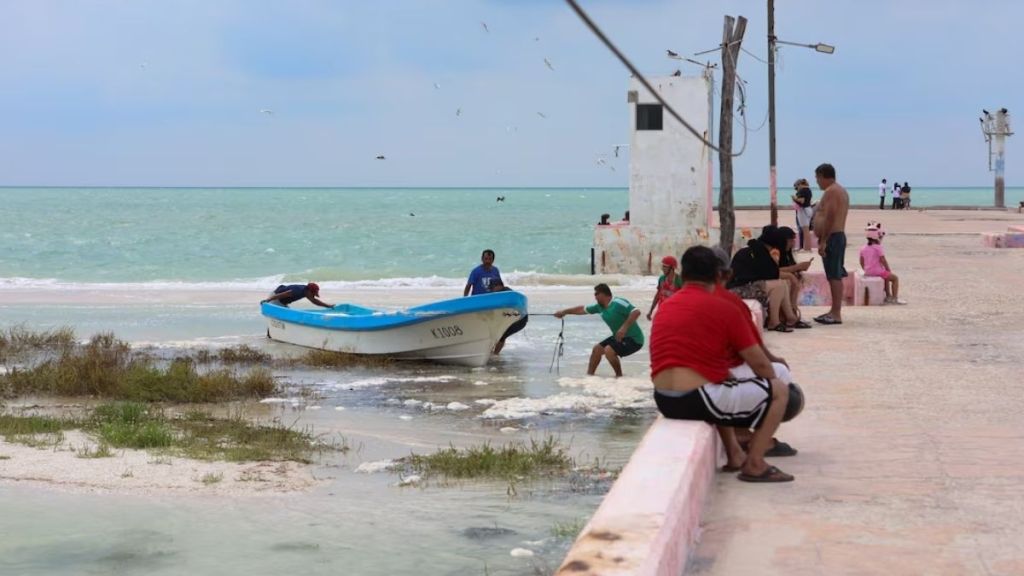

Hurricane Isaias strengthened as it moved towards the US Gulf Coast on Friday, threatening parts of Alabama, Florida and Mississippi with damaging winds, storm surge and heavy rainfall. Authorities issued warnings and began evacuation measures ahead of the storm’s expected landfall.
Isaias had maximum sustained winds of 110 mph (175 kmph) and was about 170 miles (270 km) south-southeast of the mouth of the Mississippi River, Reuters reported citing the US National Hurricane Center (NHC). The storm was expected to turn north later on Friday.
The NHC urged residents in affected areas to complete preparations quickly, warning that weather conditions would deteriorate as the hurricane approached the coast. It also cautioned that Isaias could remain a significant hurricane at landfall, even if it weakened before reaching shore.
Where will Hurricane Isaias make landfall?
The NHC forecast that Isaias would reach the US Gulf Coast late Friday, with areas around the Alabama-Florida border among those at risk. Landfall could occur between Mobile Bay in Alabama and Choctawhatchee Bay in Florida’s Panhandle, as reported by AP.
The storm threatened coastal areas with storm surge of 5 to 7 feet (1.5 to 2 metres), according to the NHC. Heavy rainfall could also trigger flash flooding, while tornadoes were possible in parts of the affected region.
A hurricane warning was in effect from Ocean Springs in Mississippi to the western Florida Panhandle, AP reported. Tropical-storm warnings covered areas from southeastern Louisiana to Florida’s Big Bend.
Isaias was the first hurricane of the 2026 Atlantic season. The NHC expected it to weaken after moving inland, potentially falling to tropical-storm strength by Saturday afternoon. However, its strength at landfall and the precise track would determine the scale of the damage.
Evacuation measures
Authorities across the Gulf Coast began emergency preparations ahead of the storm. Alabama Governor Kay Ivey ordered non-residents to leave Gulf Shores, Orange Beach and Dauphin Island. Several counties also ordered mandatory evacuations in some coastal areas. Florida and Alabama declared states of emergency for dozens of counties.
Florida Governor Ron DeSantis said about 5,000 National Guard troops were expected to mobilise by Friday, according to AP report.
Dauphin Island, a barrier island off Alabama’s coast, was among the areas vulnerable to storm surge. Mayor Jeff Collier urged residents to remain cautious, warning that even a small change in the hurricane’s path or strength could affect the extent of the damage.
How dangerous could Hurricane Isaias be?
Category 3 hurricanes have sustained winds of at least 111 mph and can cause devastating damage, including severe damage to homes, widespread power outages and disruptions to essential services.
Storm surge is another major concern for Gulf Coast communities. When strong winds push seawater towards the shore, water levels can rise above normal tides and inundate low-lying neighbourhoods, roads and coastal properties.
Heavy rainfall could also lead to flash flooding, particularly in areas that receive prolonged or intense downpours. The NHC warned that residents should finish preparations before conditions deteriorate.
Although Isaias was forecast to weaken after landfall, the storm could still cause significant damage along the coast and farther inland.
Hurricane Simon strengthens off Mexico
Meanwhile, Hurricane Simon intensified over the Pacific Ocean off Mexico and was forecast to become a Category 4 hurricane by Saturday, Reuters reported.
Simon had maximum sustained winds of about 90 mph (150 kmph) and was around 220 miles (355 km) south of Manzanillo early Friday. The NHC warned that the storm could bring destructive winds, heavy rainfall, flooding and mudslides to parts of Mexico’s southwestern and west-central coastline.
A hurricane warning was in effect from Punta San Telmo in Michoacan to Punta Mita in Nayarit. AccuWeather forecast that some coastal areas of Jalisco and Colima could receive 18 to 24 inches (46 to 61 centimetres) of rain.
Forecasters continued to track both storms as Isaias approached the US Gulf Coast and Simon strengthened off Mexico.