



Borrowing costs in the US may remain high for longer than many expect, according to Esther George, the former president of the Federal Reserve Bank of Kansas City. In an interview with Fortune, George said people making long-term financial decisions should prepare for the possibility of higher interest rates instead of expecting cuts anytime soon.
Higher rates may be ahead
“If I were someone planning with that kind of horizon, I’d plan for higher rates coming ahead,” George told Fortune. George, who was known as one of the Federal Reserve’s most hawkish policymakers during her time on the rate-setting Federal Open Market Committee, also made it clear that she would not support cutting interest rates at this stage.
“No I would not,” she said when asked directly whether she would vote for a rate cut. According to George, inflation remains a major concern in the US economy. “Inflation is a problem right now, and it’s been a problem for a while in the United States,” she told Fortune. “The real choices they’re looking at is, can we hold and see inflation fall? Are we going to have to raise rates? And I think there’s probably a good chance that you’ll have to talk seriously about raising rates, not cutting.”
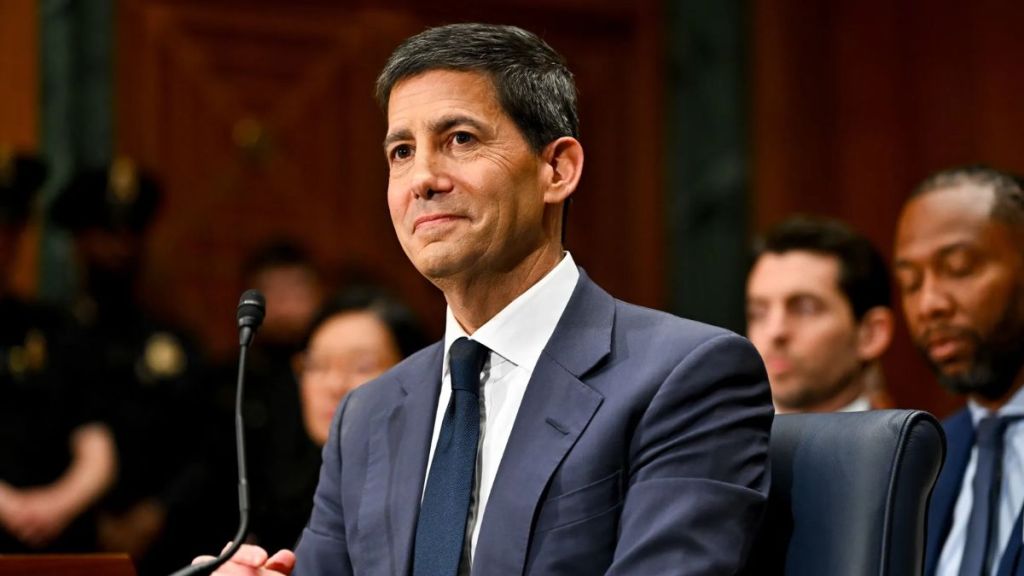
The comments come as President Donald Trump has repeatedly urged the Federal Reserve to lower interest rates. His nomination of Kevin Warsh as the next Fed chair was also accompanied by calls for rate cuts. If the Fed chooses to raise rates instead, it could set up fresh tensions between the White House and the central bank.
Markets stay calm regardless of Iran tensions
Global markets remained relatively steady regardless of fresh attacks in the Strait of Hormuz. According to Fortune, Iran used drones to strike two commercial ships in the strategic waterway, prompting US counterstrikes on Iranian drone-launching sites. Investors appeared to focus instead on reports that the US and Iran had once again agreed to cease hostilities and resume talks.
Today, US stock futures moved higher, with S&P 500 futures rising 0.77%. European markets were largely flat, while Asian markets delivered mixed performances. Brent crude oil eased to around $72 a barrel after touching $75 a day earlier, and Bitcoin slipped to about $59,800.
Shipping through the Strait of Hormuz recovers
Regardless of the latest attacks, commercial shipping through the Strait of Hormuz has started recovering after a sharp disruption earlier this month, Fortune reported.
Deutsche Bank strategist Jim Reid told clients that Iran’s attacks showed it “retains both the capability and the willingness to hit the reset button if its demands are not met.” UBS economist Paul Donovan also noted that oil markets have remained relatively calm despite the latest developments.
“Oil prices have reacted little to news of [the] Singaporean-flagged cargo ship being attacked,” Donovan told clients, adding, “Investors never assumed reopening the strait would be a straight line.”
President Trump also warned that if attacks continue, the US “will be forced to militarily complete the job that we very successfully started. If that happens, the Islamic Republic of Iran will no longer exist!”
According to Fortune, vessel traffic through the strait fell sharply during the first half of June, with some days recording only a handful of commercial ships. However, departures have steadily increased since June 19, suggesting shipping activity is gradually returning, although it remains below normal levels.