



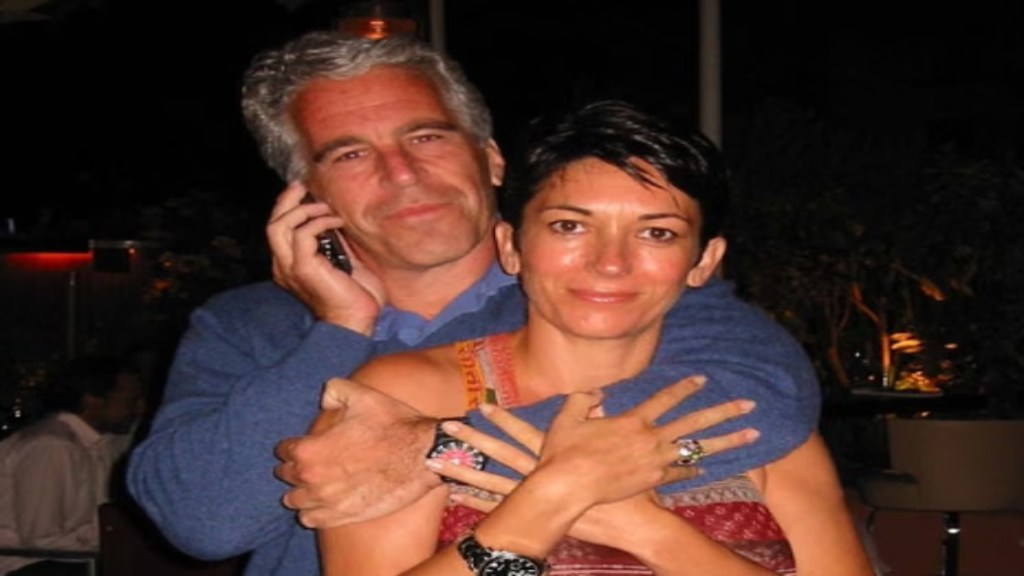
A federal judge has approved the Justice Department’s request to unseal grand jury transcripts and other materials from Ghislaine Maxwell’s sex trafficking case. The ruling comes after a new law was passed requiring the government to make records related to Jeffrey Epstein and Maxwell public. Judge Paul A. Engelmayer said this is a change from his earlier stance, but he also warned that people should not expect shocking new details from the files.
Judge says documents reveal no new names
Judge Engelmayer explained in his ruling that the materials only mention Epstein and Maxwell and do not identify any other individuals involved in sexual contact with minors. He wrote, “They do not identify any person other than Epstein and Maxwell as having had sexual contact with a minor.”
He added, “They do not discuss or identify any client of Epstein’s or Maxwell’s,” and “They do not reveal any heretofore unknown means or methods of Epstein’s or Maxwell’s crimes.”
The Justice Department has renewed efforts to remove secrecy orders now that the Epstein Files Transparency Act has taken effect. The law, signed by President Donald Trump after months of pressure, requires the government to make Epstein-related documents public by December 19.
Engelmayer is the second judge to act since the law passed, following a decision in Florida to release transcripts from a 2000s federal grand jury investigation into Epstein.
Epstein files in political spotlight
The public release of Epstein records has become a major issue during Trump’s second term. He campaigned on opening the files and released some documents earlier this year, though many were already public.
The Justice Department says additional investigative records will now be made public, gathered from years of probes into Epstein and Maxwell’s crimes.
Jeffrey Epstein was arrested in July 2019 on sex trafficking charges and died by suicide in jail the next month. Ghislaine Maxwell was convicted in December 2021 and is serving a 20-year prison sentence. She has been moved from a federal prison in Florida to a prison camp in Texas.
The Justice Department says victims’ identities will be protected through redactions, and the judge ordered a careful review to prevent unnecessary invasions of privacy.
Maxwell’s lawyer, David Markus, explained that making the records public could harm her attempt to challenge her conviction.
He told the judge the release “would create undue prejudice so severe that it would foreclose the possibility of a fair retrial.” The Supreme Court declined to consider her appeal in October.
Annie Farmer, one of the survivors who supported the transparency law, has welcomed the judge’s decision. Through her lawyer, she said she “is wary of the possibility that any denial of the motions may be used by others as a pretext or excuse for continuing to withhold crucial information concerning Epstein’s crimes.”