


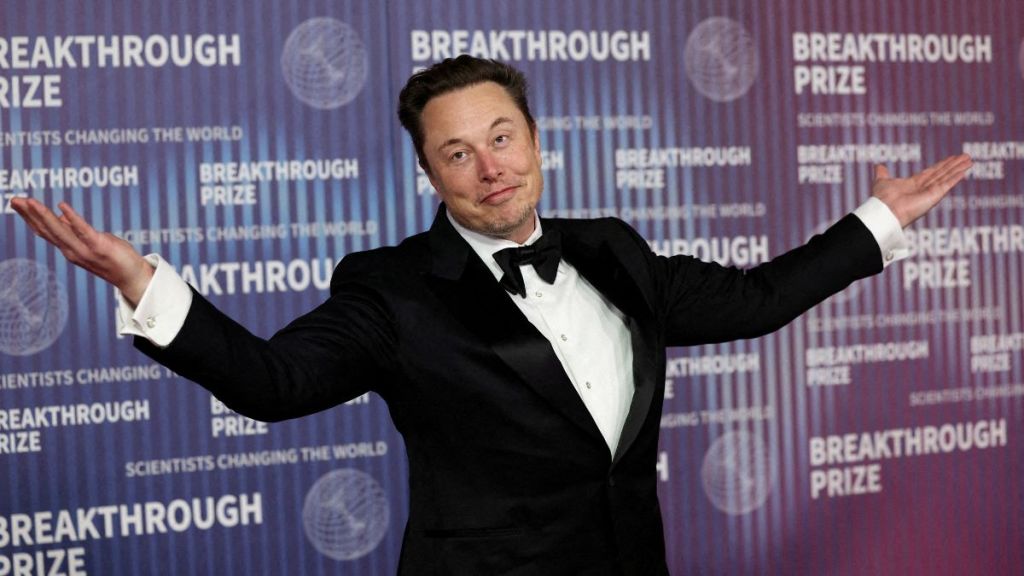

Elon Musk was not a candidate in the 2026 US midterm elections, but few people have more at stake following the results. The world’s richest man spent hundreds of millions of dollars backing Republican candidates, hoping to strengthen the party’s position in Congress and protect his growing business interests. Instead, Democrats swept the elections, winning control of both chambers of Congress and several important state races.
The defeat could have consequences far beyond politics for him. His companies, including Tesla and SpaceX, depend heavily on government contracts, regulatory approvals, tax benefits and access to public infrastructure. A Democratic-controlled Congress could now examine these relationships more closely. His plans to expand his artificial intelligence (AI) and data centre businesses could also face fresh challenges, particularly in Texas, where Democrats made significant gains. The election has therefore raised an important question that is could Musk’s political influence become a liability for his business empire?
Why Musk’s political spending has become a problem
Musk was among the biggest financial backers of Republican candidates in the midterms. According to federal election filings analysed by OpenSecrets, he contributed more than $445 million to Republican candidates, political action committees and other political groups. Other estimates, including those cited by CNBC and Forbes, put his spending at around $458 million to $474 million.
A major portion of this money went towards Texas, where Musk has established the headquarters of several of his businesses. According to CNBC, Musk spent around $224 million in the state. Bloomberg reported that he spent about $205 million supporting Republican Ken Paxton’s Senate campaign, Forbes estimated that the total spending linked to his contributions and associated political groups reached around $215 million.
Musk wanted Paxton to defeat Democrat James Talarico in the Senate race. He also supported Republican Governor Greg Abbott’s re-election campaign. Both candidates, however, lost. The results were a setback for Musk, who had used his wealth and influence to support candidates aligned with his political and business interests. Talarico, in his victory speech, said the election had shown that billionaires could not simply buy political power. The defeat also raises questions about whether Musk’s massive political contributions will deliver the influence he expected.
Could Musk face investigations into government contracts?
One of the biggest challenges for Musk could come from the new Democratic majority in Congress. His companies have received billions of dollars in government contracts, particularly from the National Aeronautics and Space Administration (NASA) and the Department of Defense. SpaceX plays an important role in launching satellites, transporting supplies and astronauts, and supporting US military communications.
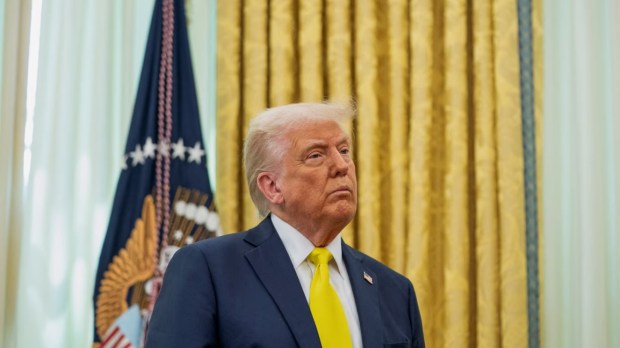
Democratic lawmakers have indicated that they want to examine whether Musk used his position in the Trump administration to benefit his private businesses. (Image/Reuters)
Democratic lawmakers have indicated that they want to examine whether Musk used his position in the Trump administration to benefit his private businesses. Musk led the Department of Government Efficiency (DOGE) during the early months of Trump’s second term. The department was involved in efforts to reduce government spending and cut federal jobs. During this period, Musk also remained closely connected to his business interests.
According to the Democracy Defenders Fund, a legal advocacy organisation, Musk received at least $6.3 billion in government contracts during the four months he led DOGE. His companies secured at least another $10 billion in contracts afterwards. Democrats want to know whether Musk used his government position to influence decisions involving his own companies and whether taxpayer money, government information and public institutions were put at risk.
There are also questions about possible conflicts of interest. Richard Painter, a former chief White House ethics lawyer under President George W. Bush, told NPR that Musk, as a special government employee, was subject to federal restrictions on participating in official matters affecting his financial interests. Painter said that if Musk knowingly intervened in matters that affected SpaceX, he could have violated federal law.
Democratic lawmakers are already indicating their intention to investigate these issues. Representative Robert Garcia, who is expected to lead the House Oversight Committee, also warned Republicans and their allies to prepare for scrutiny. However, investigations do not automatically mean that Musk or his companies will face penalties. Any wrongdoing would have to be established through evidence and the relevant legal process.
Texas could become Musk’s biggest headache
Texas is particularly important to Musk because it has become the centre of his business operations. Tesla’s corporate headquarters and a major vehicle manufacturing facility are in Austin. SpaceX operates its Starbase facility in southern Texas, social media platform X is based near Austin. His other businesses, including Neuralink and The Boring Company, also have operations or headquarters in the state.
Musk has been expanding his investments in the region, particularly in artificial intelligence and semiconductor manufacturing. However, the election of Democrat Gina Hinojosa as governor could complicate these plans. Hinojosa campaigned against the tax benefits and incentives offered to large technology companies. She has also called for a temporary halt to new data centre projects until stronger protections are introduced for local communities.
Data centres require enormous amounts of electricity and water to operate. Their rapid expansion has raised concerns about rising electricity bills, pressure on water supplies and the cost of building supporting infrastructure. Hinojosa wants companies to bear the full cost of the electricity they consume instead of passing those expenses on to ordinary residents. She has also called for an end to tax breaks for the industry.
This could affect Musk’s plans to expand his AI and data centre operations in Texas. The new governor will not have complete control over state policy because Republicans continue to control the Texas Legislature. However, her administration could make it more difficult for companies to obtain permits, secure incentives and move forward with major projects.
Musk also faces a difficult political relationship with Hinojosa. She had previously sued to obtain emails between Musk and Abbott, accusing the outgoing governor of giving favourable treatment to the billionaire. Following the election, Musk appeared to acknowledge the potential challenges. “Data centers in space looking pretty appealing right now,” he wrote on X, referring to SpaceX’s plans to explore space-based data centres.
AI business could face a bigger challenge
The election results could also affect the technology industry, particularly companies investing heavily in artificial intelligence. Building and operating AI data centres requires enormous amounts of money, electricity, land and infrastructure. Companies are investing billions of dollars in these facilities, hoping to generate revenue by providing computing power to businesses developing AI products.
However, these projects are facing growing opposition from local communities concerned about electricity costs, water consumption and environmental impact. The midterm results showed that this opposition could become a political issue. According to CNBC, campaigns and political groups spent around $173 million on advertisements related to data centres during the 2026 general election. Most of these advertisements were negative. At least 10 communities also approved measures restricting or banning data centre projects.
The industry suffered setbacks in several states. In Ohio, Democrat Sherrod Brown defeated Republican Jon Husted after making data centre expansion an important campaign issue. In South Carolina, Democrat Annie Andrews defeated Republican Darline Graham, who had received support from a data centre industry political group. The financial stakes are considerable. JPMorgan Asset Management estimates that the AI infrastructure expansion could cost around $5 trillion through 2030, including nearly $2 trillion raised through investment-grade debt.
Delays in obtaining permits or connecting data centres to electricity networks could affect companies’ revenue plans and increase their borrowing costs. Musk who is expanding his AI operations and seeking to increase computing capacity, these challenges could become increasingly important.
Musk’s international dealings could also come under scrutiny
Apart from his business interests in the US, Musk could face questions about his role in the war between Russia and Ukraine. His satellite internet service Starlink has been important to Ukraine’s civilian infrastructure and military communications. Its military-focused counterpart, Starshield, also plays a role in defence-related operations.
Democratic lawmakers have questioned Musk’s decisions to restrict Ukraine’s access to Starlink services in certain circumstances. Representative Mike Levin of California raised concerns about Musk’s ability to affect an American ally’s military operations through decisions involving his private company. Senator Chris Coons of Delaware has also indicated that he wants answers about Musk’s reported connections with Russian President Vladimir Putin.
A Democratic-controlled Congress could use its investigative powers to examine these issues and seek greater accountability from Musk. The midterm results do not mean that Musk will immediately lose his government contracts or that his companies will stop expanding. President Donald Trump continues to control the executive branch and can influence federal agencies. He also retains the power to veto legislation passed by Congress. However, Democrats now have greater power to investigate government spending, question officials and examine the relationship between private technology companies and the federal government.
Musk’s political spending has not been a complete failure, as some candidates he supported did win. However, his biggest bets in Texas and several other competitive Senate races did not deliver the results he wanted. The billionaire has built an empire that depends partly on close relationships with governments and policymakers.
The Democratic victory could now test how well that empire operates without the political support he had cultivated under Trump. As someone who has spent years expanding his influence beyond the technology industry, the biggest lesson from the midterms may be that money can help shape an election, but it cannot always determine its outcome.