



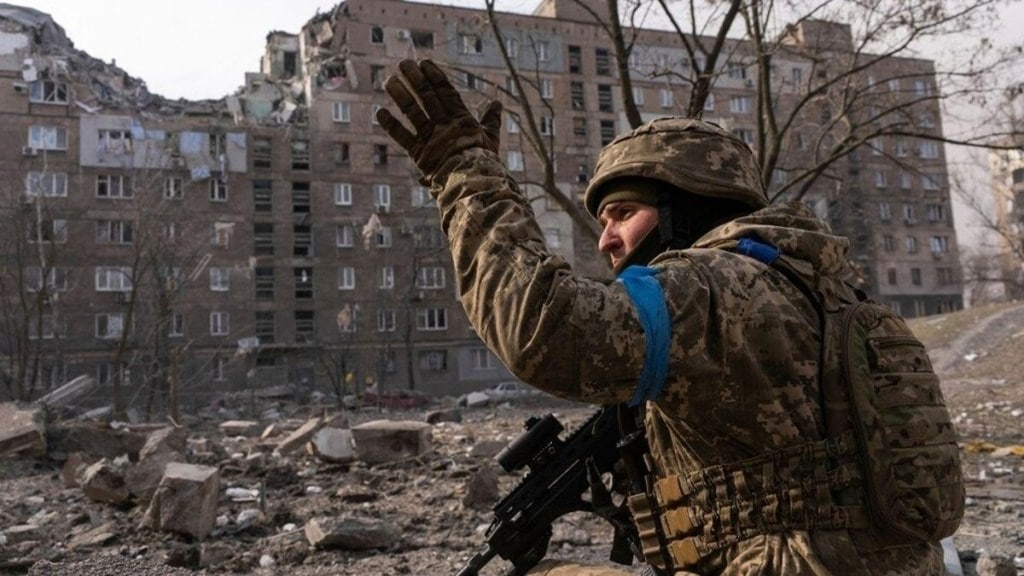
Russia has indicated its readiness to negotiate a temporary truce in Ukraine, provided that progress is made toward a final peace settlement, according to sources in Moscow. This marks a notable shift in Russia’s stance and represents the first positive response from President Vladimir Putin to US President Donald Trump’s call for a ceasefire, reports Bloomberg.
The proposal was reportedly discussed during last month’s high-level talks in Saudi Arabia between Russian and American officials. According to sources familiar with the matter, Russia requires a clear framework outlining the principles of a final peace agreement before agreeing to a cessation of hostilities. A crucial component of these discussions involves determining the composition of a potential peacekeeping mission, with Russia opposing NATO troops’ presence in Ukraine but being open to neutral forces such as China.
US-Ukraine meeting
The developments come as the US and Ukraine prepare for direct talks in Saudi Arabia next week. US special envoy Steve Witkoff has stated that the objective is to establish a framework for peace and an initial ceasefire. However, Russia continues to insist that any agreement must include guarantees for its security and interests.
Since taking office on January 20, Trump has sought a rapid resolution to the ongoing war, which has become Europe’s most significant conflict in decades. He has reversed prior US policies, including suspending military aid to Ukraine and pausing intelligence-sharing, causing concern among European allies who fear these moves could embolden Russia. Additionally, Trump has abandoned US support for Ukraine’s NATO membership and has acknowledged the improbability of Ukraine reclaiming all territories seized by Russia since 2014.
Russia rejects partial truce proposal
Despite these discussions, Russia has dismissed a Franco-British proposal for a one-month truce covering air and maritime operations, including a halt to strikes on Ukrainian energy infrastructure. While Putin has consistently rejected short-term ceasefires, he has expressed a preference for a long-term, durable peace agreement that guarantees Russia’s security.