


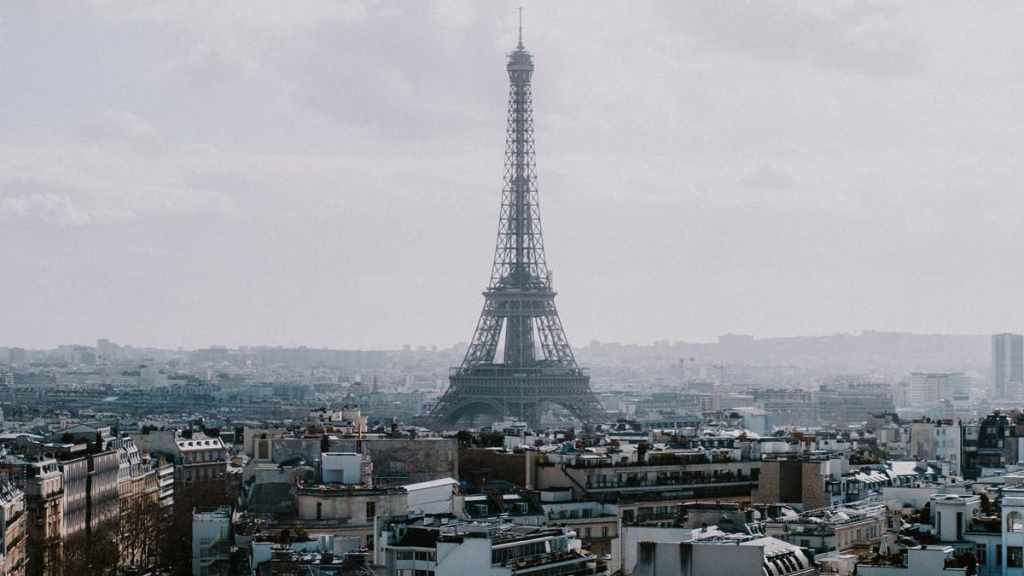

The Eiffel Tower in Paris is closed to visitors on Thursday, November 5, as nationwide strikes and demonstrations disrupted services across France. The protests, called by trade unions and student groups focused on demanding better wages and addressing the rising cost of living.
In a notice on its official website, the Eiffel Tower authorities said, “Due to the national strike, the Eiffel Tower is currently closed.” The closure means visitors cannot access the monument for the day. Those who have already purchased tickets have been asked to check their email for updates from the Tower’s ticket office. Visitors planning to visit the landmark have also been advised to check its official website before travelling.
The strike has also affected several public services, including railways, flights and schools, with disruptions reported across the country.
Hundreds of thousands expected to join demonstrations
France witnessed fresh demonstrations on Thursday as workers, students and other groups took to the streets to protest against the rising cost of living, wages and inequality.
Between 500,000 and 700,000 people were expected to join demonstrations outside Paris, the number of participants in the capital was estimated at between 40,000 and 80,000.
By Thursday afternoon, more than 250,000 people had taken part in demonstrations across 73 cities, according to figures cited by major labour union CGT, AFP reported.
The French government deployed 70,000 police officers and gendarmes across the country to maintain public order during the protests.
The demonstrations also turned tense in several cities. In Lyon, riot police reportedly fired tear gas and charged at protesters. In Paris, high school students and other demonstrators clashed with police after blocking a street with rubbish bins on Thursday morning.
Weeks of unrest put pressure on French government
Thursday’s strike is part of protest movement that began with student demonstrations in mid-September over deteriorating conditions in schools. The protests later expanded, drawing support from trade unions and other groups.
Public anger over the rising cost of living and growing inequality has added to the unrest. The movement escalated further following riots on October 17, described as among the worst France had witnessed in years.
France has been facing weeks of protests as the government struggles with its finances. The unrest comes six months ahead of elections to choose the successor to President Emmanuel Macron, with the far right leading in opinion polls.
Trade unions, including the left-wing CGT, called for Thursday’s nationwide demonstrations, which also received backing from student organisations.