



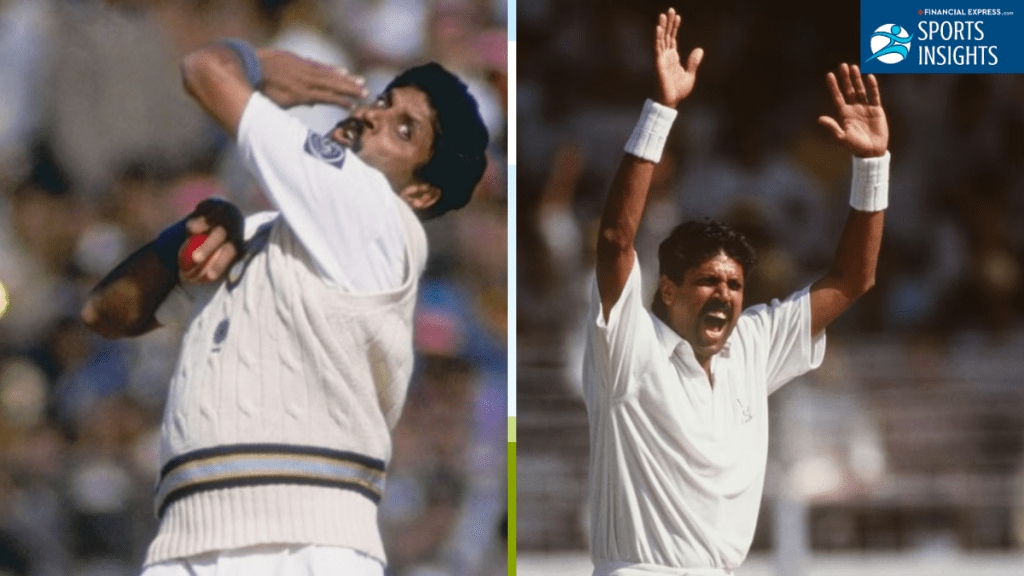
December 1992. India landed in South Africa with big smiles and bigger hopes. They called it the Friendship Series. The world clapped. Apartheid had just died and cricket was supposed to unite people. But sport sometimes shows the truth that politics hides. And on December 9 at Gqeberha, the truth hit hard.
The Warning Nobody Heard
Peter Kirsten had a habit. He would leave his crease before the bowler even released the ball. Not once or twice. Again and again. On that tour he did this in two matches before the Gqeberha game. Kapil Dev warned him three times. Still Kirsten did not care.
The Indian team sat together before this match. They talked about this problem. They decided enough was enough. If Kirsten does it again, they will run him out. Simple. Fair. This was not revenge. This was cricket as per the rule book.
What Happened In The Middle
Kapil Dev ran up to bowl. Kirsten was already outside his crease. Kapil stopped and knocked the bails off. Umpire Cyril Mitchley had no doubt. He gave Kirsten out. That should have been the end of the story. But it was just the start of the drama.
Kirsten stood there like a statue. He refused to walk. He argued with the umpire. He made faces at the crowd. He pointed fingers. The spectators got angry. They started booing Kapil Dev. For following the rules. For playing fair cricket. The sound of those boos must have stayed with Kapil for a long time.
When The Captain Lost Control
Kepler Wessels was batting at that time. When Kirsten got out, Wessels made rude gestures towards Kapil. Three balls later Wessels came to the non-striker’s end. He had to pass Kapil to take a run. Instead of going around, he hit Kapil’s leg with his bat. Hard. No sorry. No looking back.
It looked like an accident to some. Batters and bowlers bump into each other all the time. But during tea break, Kapil told his team a different story. He said Wessels did it on purpose. It was not a mistake. It was a message.
Kapil knew the difference between accident and attack. He had played cricket long enough. He had seen Miandad lift his bat against Lillee but not hit him. But here, a captain had actually hit a bowler. With his bat. On purpose.
The Video That Vanished
Clive Lloyd was the ICC referee. India put their complaint in writing after the match. Lloyd wanted to see the proof. He asked for TV footage.
Here comes the strange part. The TV company SABC had five cameras running. They showed replays from every angle all day. But for this one over, they said the footage was not filmed properly. How convenient, no? The one moment when a captain hits a bowler with his bat, and the cameras suddenly stop working.
Indian manager Amrit Mathur spoke to the press. He said Wessels did wrong. Dr Ali Bacher, the man who brought South Africa back to cricket, defended Wessels. He said look at all evidence first. Maybe he wanted to save South Africa from shame. Maybe he wanted to protect future tours. But the footage was missing. So what evidence could anyone see?
The Verdict: Small Fines and a Lack of Justice
Peter Kirsten got a fine of 240 euros. Small change for an international player. Kepler Wessels? His case was “not proven.” He told Kapil after fifteen minutes, “I had lost my control.” That was it. No apology. No admission. Just those five words.
A captain hits a bowler with a bat. A batter refuses to walk after being properly run out. The TV cameras fail at just the right moment. The referee cannot prove anything. And the visiting team goes back to their dressing room with nothing but a story of injustice.
What Kapil Took Home
Kapil Dev was not a young boy. He had won the World Cup. He had taken 400 wickets. He had seen everything cricket could throw at him. But this was different. This was not about cricket. This was about respect.
He followed the rules. He warned his opponent multiple times. He played the game right. And what did he get? Boos from the crowd. A bat strike from the opposite captain. And a system that said “not proven.”
The Friendship Series is remembered for many things. But for Kapil and his team, it taught a hard lesson. Sometimes friendship is just a word written on paper. Real friendship shows when you play fair and accept defeat gracefully. When you lose control, you say sorry. When you are wrong, you walk.
At Gqeberha on that winter day, South Africa failed that test. And Kapil Dev, the man who always played with his heart on his sleeve, learned that even in cricket, politics and power can hide the truth.