



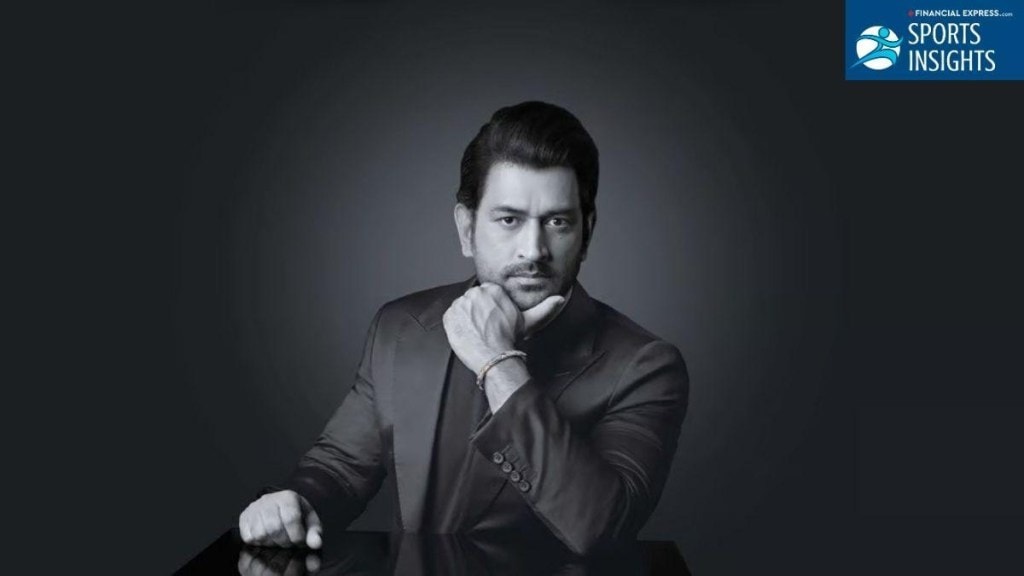
There is a different side to MS Dhoni that rarely shows up on television. The man who lifted trophies for India walks into business meetings with the same steady heartbeat he had while facing the last over. No noise. No rush. No need to impress. Bit by bit, he has built a business world that now crosses ₹1,000 crore. And the way he did it feels very “Dhoni”. It came from long thinking, not shortcuts. From trusting the right people. From staying honest even when a few bets went wrong. His business journey tells us more about him than any six he ever hit.
The City That Adopted Him And The First Real Sign Of “Dhoni The Builder”
Dhoni’s connection with Chennai changed more than his cricket. It shaped his business mind too. When the Indian Super League started, he didn’t look at charts or big-city glamour. He chose Chennaiyin FC because the place felt like home after so many IPL seasons. During the team’s launch he joked that he could never see himself owning Mumbai or Kolkata. His heart was already parked in Chennai.
Footballer Anirudh Thapa once shared a simple memory. Dhoni would join the boys for team lunches. He would sit with them, not with sponsors or officials. He spoke softly, shared stories, asked about their training. When people told him to sit at the “VIP table,” he just laughed and said he would rather be with the players. That habit of sitting with the youngest people in the room says a lot about how he works. He builds trust first. Money follows later.
The Biryani Story That Ended With A ₹32 Crore Cheque
One of Dhoni’s most surprising bets came from something as ordinary as food. A small outfit called House of Biryan showed him their idea of “Meri Wali Biryani,” where customers pick everything in their bowl. No heavy spices unless you want them. No rules. You create your own.
He liked the simplicity. He liked the honesty. Before long, he put in ₹32 crore.
People around him were shocked. But the numbers later made sense. One plain biryani they designed started pulling in almost 70% of their revenue. More than half their customers kept ordering again without discounts. They opened 22 kitchens and became EBITDA positive. Now they are heading to Dubai, Japan and the UK, and planning kiosks where biryani will be ready in five minutes.
Dhoni saw what others didn’t. Swiggy reported over 83 million biryani orders in 2024. He knew the market was hungry. Literally.
The Drone Factory Where Dhoni Stood Quietly In A Corner
Another chapter began in Chennai again. Garuda Aerospace, a young drone company working on farming tools, defence machines and industrial drones, invited Dhoni to understand their work. He spent time at their plant, watching how the parts were made. No big speech. Just quiet observation.
A year later, he became their brand face and invested over ₹5 crore. Garuda recently raised ₹100 crore in Series B funding and is planning a major expansion. The founder says Dhoni’s presence gives them trust that marketing money can never buy..
The Bigger Picture: Where His Money Actually Went
Dhoni never went shopping for flashy startups. His list shows a practical mind.
He put his money into
– CARS24 for used cars
– Khatabook for small shops
– EMotorad for electric cycles
– Tagda Raho for fitness
– 7InkBrews in food and drink
– His own brand Seven in lifestyle
– His hotel in Ranchi
– Farmland that keeps him close to his roots
– Ranchi Rays in hockey
– Mahi Racing for superbikes
And, of course, Chennaiyin FC.
Nothing here screams fashion. Everything grows slowly. Steadily.
A Hard Lesson: When Blusmart Struggled
Not everything worked out. Dhoni’s family office had backed BluSmart, an EV taxi service. The idea was clean travel for cities. A brilliant idea in itself. But then the story unravelled. Some operations shut down. Valuation dropped. Investors got nervous. Dhoni too felt the hit.
This moment matters because it shows he isn’t protected from failure. Even the calmest mind takes losses. He didn’t pretend everything was fine. He accepted it quietly. That honesty is part of who he is.
The Real Decision Maker: A Man Who Listens More Than He Talks
His closest circle says Dhoni takes time; real time-before saying yes to anything. He doesn’t chase trends because someone famous invested in them. He waits. He asks basic questions that sometimes surprise founders who expect technical talk. His wife Sakshi plays a big part in this. She studies the numbers, filters unnecessary noise, and keeps his choices steady.
He moves like a Test batsman. One ball at a time. No big swings unless the moment demands it.
The Human Reason His Businesses Work
Dhoni’s success isn’t because he is a celebrity. Many celebrities throw money around. Dhoni’s method is different. He walks into a room and tries to understand people first. He likes listening to workers, not just CEOs. He chooses ideas that solve simple everyday problems. He doesn’t chase quick money. He stays patient.
And patience is the reason he survived pressure on cricket fields for so many years. Now that same patience shapes his financial world.
Closing Thought
When you look at Dhoni today, sitting across boardrooms in Bengaluru or walking through a drone factory in Chennai, it is hard to believe this journey began in a small railway quarter in Ranchi. But maybe that is the whole point. He hasn’t changed much. The world around him has.
His business story isn’t built on noise. It is built on calm decisions, small chances, and a steady hand that never trembles even when the room gets loud. And that is why his empire feels strong. It was built the same way he finished matches. Quietly. Patiently. Without losing himself.