




Most of us measure a career by what it pays. I did too. Then I looked at Zaheer Khan‘s numbers and the numbers refused to fit the story.
Most sources put his net worth between ₹209 crore and ₹241 crore, which is $25 million to $33 million. These are estimates, built from IPL earnings, company filings and property records, and different sources say different things.
But here is what stopped me. His IPL salary over ten seasons was just over ₹30 crore. That is a fraction of the estimate. The bigger part came from somewhere else. It came from decisions he made while the cameras were on the next match.
So I stopped asking how much he earned. I started asking how he thought. Here is what I found.
1. Find out what the world is short of
In 1996, Zaheer’s father Bakhtiar Khan, a photographer from Shrirampur, looked at his son’s mark sheet and gave him unusual advice. The world already had enough engineers. It was short of left-arm fast bowlers who could actually hit the stumps.
I realized something uncomfortable here. I have spent years asking, “What am I good at?” Bakhtiar asked a different question. “What is scarce?” Those are not the same thing.
Zaheer did not travel to Mumbai with just a dream. He went with a plan. No expensive spikes, but a mind that could break a problem into small pieces.
Most of us choose a career by passion or by family pressure. Very few of us check supply and demand first. Passion tells you what you want to do. Scarcity tells you where you will be needed.
Before your next career move, ask which skill around you is in short supply. Then ask if you can be the one who has it.
2. Pay for attention, not for a crowd
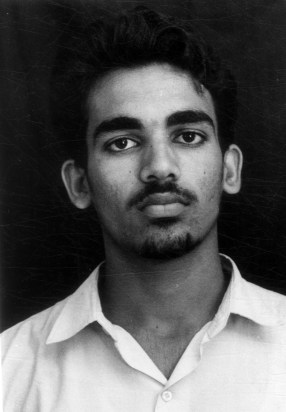
When Zaheer reached Mumbai, he skipped the big coaching camps. Those places had seventy kids in a line, and you were lucky if the coach knew your name. He went to Vidya Paradkar, a prominent coach, for one-on-one time. He wanted his flaws pointed out in private.
I will admit it. I have always been drawn to the big name, the big batch, the big course. It feels safe. Zaheer, at eighteen, understood that mass production is for toys, not for elite talent.
Then Mumbai’s selectors ignored him. He did not sulk. He moved to Baroda, and in the 2000-01 Ranji final he took eight wickets and won Baroda their first title in 43 years. He was 22.
I used to think being invisible in a big pond was a fair price for being near the action. Now I see it differently. Being the main man in a small pond beats being a face in an ocean.
Whether you are choosing a mentor, a team or a company, ask one question. Will anyone here know my name, and will they fix my specific flaws?
3. An injury is an interruption, not a verdict
By 2003, Zaheer was at the heart of India’s run to the World Cup final. He finished as India’s highest wicket-taker in the tournament with 18. Months later, in Australia, he took five wickets at the Gabba in the first Test of the 2003-04 Border-Gavaskar Trophy.
Then the body stepped in. A hamstring first. Later, a nerve twitch discovered in Australia. Two lost years followed. Every comeback ended the same way, not with failure, but with interruption. By 2004-2005 his pace had dropped, and the BCCI cut his contract from Grade B to C.
When I read this, I thought about my own bad stretches. I always called them failures. That word is too heavy and too final. Zaheer’s story taught me to use a lighter one. Interruption.
A failure says you were not good enough. An interruption says the road is blocked for now. One makes you quit. The other makes you look for another route.
If you are in a slump at work, do not ask, “Am I finished?” Ask, “What is blocking me, and what can I change in the meantime?”
4. Step away from the noise to rebuild your craft
The Indian set-up felt loud and unforgiving to Zaheer. He had entered it late, without the insulation of long grooming. So he chose distance over noise. In 2006, he went to English county cricket. Vikram Solanki, who knew him beyond scorecards, backed him, and Worcestershire needed a new-ball seamer.
He bowled hundreds of overs on cold mornings until his fingers bled. He stopped being just a fast bowler and became a medium-fast genius. If you cannot blow the door down, you learn to pick the lock.
Then came the knuckle ball. He did not invent it, but he refined it. He practised it for a year in the nets without telling a soul. When he finally bowled it to Michael Hussey in the 2011 World Cup, it was no accident. It was a launch.
This is where my own assumptions got challenged. I like to announce my learning. A new course, a new certificate, a post about it. Zaheer worked in silence for a year and let the result do the talking.
Build the skill in private. Show it when it is ready. A product launched too early is just a rough draft.
5. Build your exit before you need it
Fast bowlers know their careers end fast, and Zaheer knew it better than most. In 2005, while still playing for India, he started Dine Fine in Pune. He did not open a fancy French bistro. He opened a place serving good Mughlai food and biryani, because he loves feeding people.
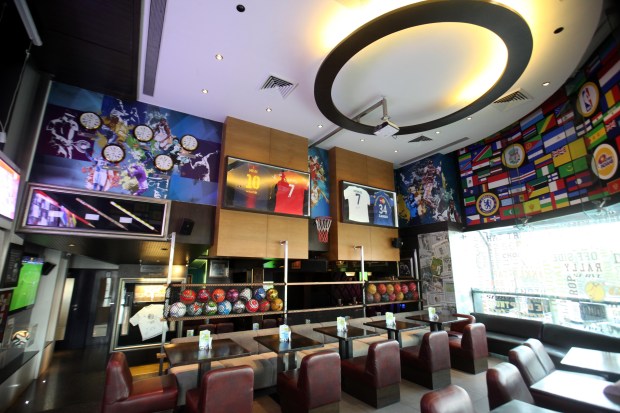
Later came Toss Sports Lounge for young fans who wanted cricket vibes. Then Foyer Banquets for weddings and events. Each one solved a different problem. He was not trying to be a Michelin-star chef. He was building a retirement fund.
I realized how late I usually start thinking about “what next.” Most of us begin only when the current thing starts to wobble. By then we are anxious, and anxious people make poor decisions.
Zaheer started while he was still at the top, when the pressure was low and the choices were wide.
Whatever you do today has an expiry date, even if you cannot see it. Start your second act while the first one is still paying your bills.
6. Turn your biggest weakness into your service
Zaheer spent more time on a physio table than most of us spend at our desks. He knew every bone that could break and every muscle that could tear. In 2014, he launched ProSport Fitness. It was not a gym for bodybuilders. It was a place for recovery, built to fix the things that had broken him.
He brought in Andrew Leipus, the man who had kept his career alive for years. He did not just hire him. He made him the heart of the business. The logic was simple. Every middle-aged man in Mumbai has a bad back, and every kid playing cricket has a sore shoulder.
By 2018, he co-founded StepSetGo, an app that gives you coins for walking more. He sat in the meetings and looked at the data. Then he invested in Machaxi, which makes private grounds smart. A morning walk, a recovery session and a weekend match began to form one loop.
I used to hide my weak areas in interviews and meetings. Now I think that was a waste. The thing that hurts you most is also the thing you understand best, and understanding is what customers pay for.
List the three problems that cost you the most pain. One of them may be your next business, or your next role.
7. Fail quietly, diversify, and let the number follow
Corporate records show Zaheer associated with many companies. Some are struck off. Z34 Energy did not work. Spella Sports shut down. He failed quietly and moved on. The active ones tell the real story. Pepkit Media runs StepSetGo, ProSport stands strong, and Dine Fine keeps serving biryani.
Now go back to that net worth. The ₹209 crore to ₹241 crore range does not come from one big win. It comes from many streams. IPL salary of more than ₹30 crore over ten seasons.
Mentor roles with Lucknow Super Giants and Mumbai Indians and now he is the Head Coach of Chennai Super Kings. Endorsements from Nike, Pepsi and Star Sports. Businesses in food, fitness and tech. A duplex on Senapati Bapat Marg, bought in 2021 for ₹11.5 crore.
I used to chase one big income and hope it would grow. Zaheer’s pattern shows me a better way. A salary is one stream. Wealth is what happens when several streams start feeding each other. And the failures stay buried, so the number you finally see is only the survivors.
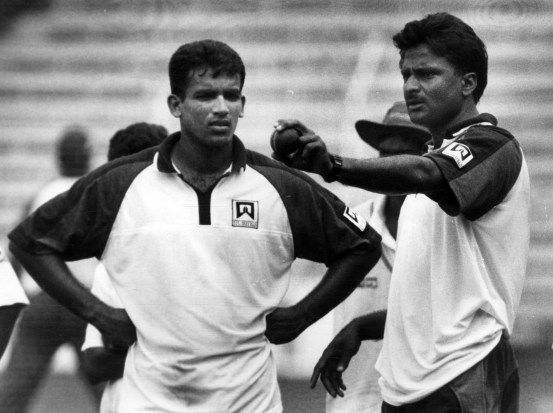
What stayed with me even more was how he treated people. He would walk up to young bowlers like Ishant Sharma and Munaf Patel, put an arm around them and show them how to hold the ball. He was a coach while he was still playing.
He adopted a tiger named Brahma at a zoo without any cameras around. He has stayed famous without being loud, rich without being greedy, and respected without being arrogant.
Build more than one stream. Let the dead ventures go quietly. And lift someone younger on your way up.
Do this tomorrow morning
Zaheer is 47 and still working the angles. His father’s advice in 1996 was not about cricket. It was about economics. The estimated crores are only the receipt. The real asset is a mind that keeps asking where the gap is.
Before you open your inbox tomorrow, take ten minutes and write three lines.
- One skill that is scarce around me, and how I can build it.
- One weakness of mine that others might pay to solve.
- One small thing I will practise quietly this year, without telling anyone.
Do not wait for the perfect plan. Zaheer did not have fancy spikes. He had a question, a method and patience. You have those too.
This piece is based on an original article about Zaheer Khan’s business journey. Read it for the full story behind ProSport Fitness, StepSetGo, and how the Shrirampur Calculator built a multi-million-dollar empire from nothing.