



I used to think wealth was a salary problem. Earn more, save more, wait patiently, and one day you are free. I believed this for most of my working life. I negotiated hard for every increment and felt proud when the number went up.
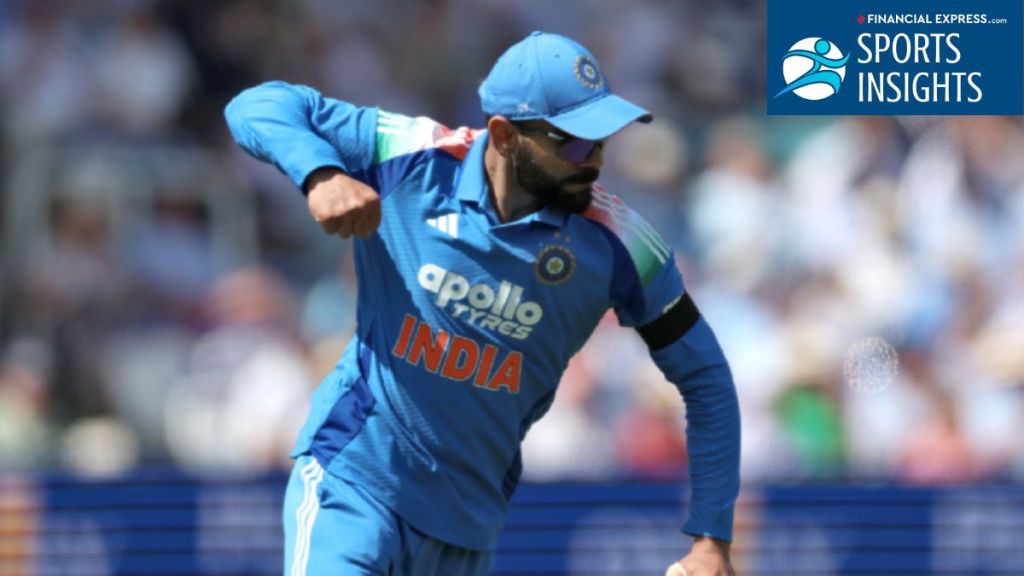
Then I read about Virat Kohli‘s business journey, and something uncomfortable settled in. His net worth sits between ₹1,050 and ₹1,100 crore. But the number did not shake me. What shook me was how many times he walked away from easy money. A guaranteed spot. A ₹300 crore renewal cheque. A brand he had built from scratch.
Each time, he chose control over comfort. Each time, I asked myself whether I would have done the same. Honestly, I was not sure.
So this is not a profile of a cricketer. It is a list of things his decisions taught me about my own. Some lessons are about money. Most are about fear. I am still working on all of them.
Lesson 1: Decide what you will never trade, before you are tempted
When Kohli failed to make the Delhi under-14 team, clubs came forward with connections. They could guarantee him a spot. His father, Prem Kohli, said no without thinking twice.
I realized something here that I did not enjoy admitting. I have taken the guaranteed spot before. A safe offer, a favour from someone senior, a shortcut that felt like luck. I called it being practical.
A refusal like that does more than protect one decision. It teaches a person that control over their path is worth more than speed. Kohli carried that into every boardroom later.
Most of us judge each shortcut separately, when we are tired and the pressure is high. Decide once, early, what you will not sell. The small choices then become much easier.
Lesson 2: Build the floor before the ceiling
At 19, Kohli received his first IPL contract payment in 2008. Many young cricketers bought cars and watches. He bought a house for his family.
I used to read stories like this and think it was just personality. Now I see a sequence. He built security first and show later.
His father had died in 2006, when Kohli was 18. His mother says cricket stopped being a passion and became a responsibility. Once you see how fast stability can vanish, you stop treating money as a prize. You treat it as protection.
You do not need a tragedy to learn this. Ask yourself one plain question. If your income stopped for six months, would your family be fine? If not, that is your first investment.
Lesson 3: Invest in What You Already Live
In 2014, Kohli put ₹90 crore into Chisel Fitness, which he started with Cornerstone Sport. India did not have organized gyms then, and people did not understand premium fitness. It was a bet on a market that barely existed.
But he was not guessing. Fitness had saved his cricket career. He had given up butter chicken and late nights, and he became the fittest cricketer in the world.
This hit my own habits hard. I have chased trends I read about on a Sunday and called it research. Kohli did the opposite. His later bets follow the same pattern, from Blue Tribe Foods when plant-based meat was unknown in India, to Hyperice, a recovery-tech brand worth over $700 million, to Rage Coffee, which he also promotes.
Look at your own routine before you look at the market. What do you use, eat, read or fix every single day? Your edge is probably sitting right there, unnoticed.
Lesson 4: Income rents you out, equity builds you up
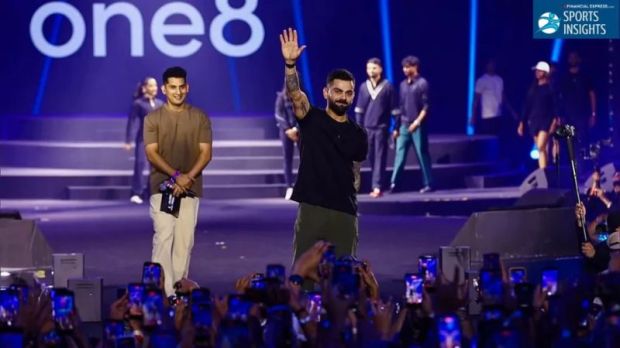
Before One8, there was WROGN, which Kohli started with Universal Sportsbiz. It grew to over 350 stores, and people who track these things said it was worth ₹250 to 300 crore.
He made good money from it. But he learned that getting paid to show your face is good income, while owning the company is real wealth. After that, he did fewer ads and chased more ownership.
I believed for years that a bigger paycheck was the finish line. Kohli’s shift made me see that I had been happily renting out my best years.
You do not need fame to apply this. A freelancer can turn a service into a product. An employee can ask for a stake, not just a raise. In your next negotiation, ask yourself whether you are being paid for your time or building something you will still own in ten years.
Lesson 5: The Hardest “no” comes with a cheque attached
One8 began in 2017 with Puma and became Kohli’s biggest money-maker. It meant clothes, shoes, cafes, restaurants, perfumes and airport stores. Industry experts place its value at over ₹300 crore, though Kohli never confirmed this.
In 2024, Puma offered him a renewal deal worth ₹300 crore. Most people would say yes in a second. He said no.
He did not say it because he dislikes money. He wanted to protect One8 and grow it independently. He chose legacy over cash.
I tried to picture myself in that room and I am not sure I would have found the nerve. Clarity is easy to admire from outside. It is very hard to hold when a life-changing offer sits on the table. So decide what you are building before the big offer arrives. A good offer that pulls you off your path is still a bad offer.
Lesson 6: Selling is not always leaving
In 2025, Kohli sold One8 to Agilitas Sports, and many people called it an exit. I thought the same at first.
Then I looked at the other side of the table. Agilitas was co-founded by Abhishek Ganguly, the former Puma India MD, who managed Kohli’s early Puma relationship and gave him his first big brand break.
Right after the sale, Kohli invested ₹40 crore back into Agilitas and got 1.94% of the company through special convertible shares. He turned a single-brand risk into platform-level upside. Those shares protect him if things go badly and give him the full benefit if things go well. He also signed an exclusivity clause. No Nike, no Adidas, no other sportswear brand.
The part I keep returning to is quieter. He removed his ego from the equation and let experts do what they do best. I have held on to projects far too long, only because they had my name on them. When you hand something over, ask who you are handing it to. The right people are a better asset than total control.
Lesson 7: Concentrate your bets, Cut the noise
Kohli does not spray money everywhere. He put ₹2.5 crore into Digit Insurance when it was just starting, and the company went public in 2023. He invested in MPL, whose parent company was valued at $2.3 billion at its peak. He holds long-term stakes in FC Goa in the Indian Super League and the UAE Royals tennis franchise.
No cryptocurrency gambles. No meme stocks. No chasing whatever is trending on Twitter.
Anushka Sharma also deserves some credit for this. She makes him think longer term and value alignment over noise. That reminded me how much my own choices are shaped by the people closest to me.
I used to think diversification meant owning a little of everything. Kohli suggests another way. Know a few things deeply and back them with patience. Look at your own commitments, whether investments, side projects or habits. If you cannot explain why each one fits your life, it is probably noise.
What to do tomorrow morning
Kohli’s empire was not built by chasing money at every turn. It was built like his batting peak, by showing up daily when no one was watching.
Here is my plan, and you can borrow it.
First, write one sentence about what you will never trade for speed. That is your “no,” made yours.
Second, list what you own and what you rent in your current work. Even a small move from rented to owned counts.
Third, pick one area of daily life you understand better than most people. Spend your next hour of learning, saving or building there.
None of this needs a crore. It needs a decision made before the pressure arrives.
I started this piece believing wealth was about earning more. I now think it is about becoming less vulnerable, one calm decision at a time.
This piece is based on an original article about Virat Kohli’s business journey. Read it for the full story behind One8, Chisel Fitness, and how a boy from Uttam Nagar became a cricketer who builds equity instead of renting out his name.