




For a long time, I believed one thing about success. It belongs to the fastest people in the room.
I believed you had to spot the hot sector before anyone else and jump in with both feet. I thought you had to post about every win, network with every important person, and keep moving so the world could see you were going somewhere. Slowing down felt like falling behind.
I lived by that belief for years. I said yes to things before I understood them. I chased opportunities because other people were chasing them. I mistook a full calendar for a meaningful life.
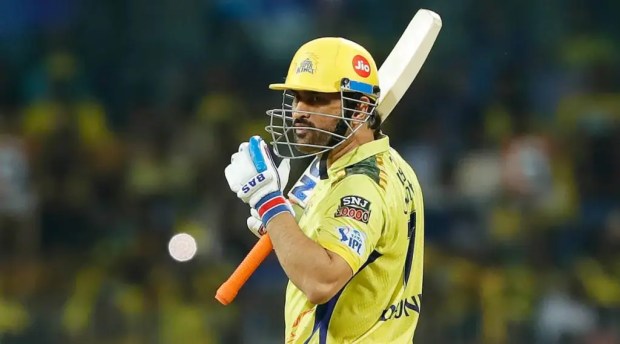
Then I sat down and studied how MS Dhoni built a business world worth more than ₹1,000 crore.
I expected a story about smart celebrity deals. I found a story about a man who walks into business meetings with the same steady heartbeat he had while facing the last over. He doesn’t rush or make noise. He feels no need to impress anyone.
That’s when it hit me. The man who taught a billion people how to stay calm under pressure was teaching the same lesson again, only this time with money instead of a cricket bat.
I realised I had been confusing activity with progress for most of my working life. Maybe you have too.
Here are seven lessons from his journey that I’m carrying into my own.
1. The city that adopts you shapes how you build
Dhoni’s connection with Chennai changed more than his cricket. It shaped his business mind too. When the Indian Super League started, he didn’t look at charts or big-city glamour. He chose Chennaiyin FC because the place felt like home after so many IPL seasons. During the team’s launch he joked that he could never see himself owning Mumbai or Kolkata. His heart was already parked in Chennai.
Footballer Anirudh Thapa once shared a simple memory. Dhoni would join the boys for team lunches. He would sit with them, not with sponsors or officials. He spoke softly, shared stories, asked about their training.
When people told him to sit at the “VIP table,” he just laughed and said he would rather be with the players. That habit of sitting with the youngest people in the room says a lot about how he works. He builds trust first. Money follows later.
The places that adopt you become the places where you build. Dhoni understood this before anyone else did.
2. The best investments start with something ordinary
One of Dhoni’s most surprising bets came from something as ordinary as food. A small outfit called House of Biryan showed him their idea of “Meri Wali Biryani,” where customers pick everything in their bowl. No heavy spices unless you want them. No rules. You create your own.
He liked the simplicity. He liked the honesty. Before long, he put in ₹32 crore.
People around him were shocked. But the numbers later made sense. One plain biryani they designed started pulling in almost 70% of their revenue. More than half their customers kept ordering again without discounts.
They opened 22 kitchens and became EBITDA positive. Now they are heading to Dubai, Japan and the UK, and planning kiosks where biryani will be ready in five minutes.
Dhoni saw what others didn’t. Swiggy reported over 83 million biryani orders in 2024. He knew the market was hungry. Literally.
The best opportunities rarely look like opportunities. They look like everyday problems waiting for someone patient enough to solve them.
3. Trust is built in quiet rooms, not boardrooms
Another chapter began in Chennai again. Garuda Aerospace, a young drone company working on farming tools, defence machines and industrial drones, invited Dhoni to understand their work. He spent time at their plant, watching how the parts were made. No big speech. Just quiet observation.
A year later, he became their brand face and invested over ₹5 crore. Garuda recently raised ₹100 crore in Series B funding and is planning a major expansion. The founder says Dhoni’s presence gives them trust that marketing money can never buy.
Trust is not built in presentations. It is built in the hours you spend watching how things are made.
4. A Practical portfolio beats a flashy one
Dhoni never went shopping for flashy startups. His list shows a practical mind.
He put his money into CARS24 for used cars, Khatabook for small shops, EMotorad for electric cycles, Tagda Raho for fitness, 7InkBrews in food and drink, his own brand Seven in lifestyle, his hotel in Ranchi, farmland that keeps him close to his roots, Ranchi Rays in hockey, Mahi Racing for superbikes, and of course, Chennaiyin FC.
Nothing here screams fashion. Everything grows slowly. Steadily.
A portfolio is not a trophy cabinet. It is a garden. You plant things that will still be growing when you are gone.
5. Losses are part of the game. Silence is part of the response.
Not everything worked out. Dhoni’s family office had backed BluSmart, an EV taxi service. The idea was clean travel for cities. A brilliant idea in itself. But then the story unravelled. Some operations shut down. Valuation dropped. Investors got nervous. Dhoni too felt the hit.
This moment matters because it shows he isn’t protected from failure. Even the calmest mind takes losses. He didn’t pretend everything was fine. He accepted it quietly. That honesty is part of who he is.
The mark of an investor is not how they celebrate wins. It is how they absorb losses.
6. The real decision maker listens more than they talk
His closest circle says Dhoni takes time; real time-before saying yes to anything. He doesn’t chase trends because someone famous invested in them. He waits. He asks basic questions that sometimes surprise founders who expect technical talk.
His wife Sakshi plays a big part in this. She studies the numbers, filters unnecessary noise, and keeps his choices steady.
He moves like a Test batsman. One ball at a time. No big swings unless the moment demands it.
The best decisions are made slowly. The worst ones are made quickly to impress people who are not in the room.
7. Patience is the only strategy that survives pressure

Dhoni’s success isn’t simply because he’s a celebrity. Many celebrities invest in businesses, but not all of them take the time to understand what they’re backing.
His approach comes down to a few simple habits. He listens before he speaks. He asks questions before committing money. He looks for businesses that solve everyday problems rather than chasing whatever is popular.
And he understands that even a well-researched decision can go wrong. Patience doesn’t guarantee success. It gives you the space to make better decisions, learn from mistakes, and avoid turning one bad outcome into several more.
That’s a lesson worth carrying into any part of life. You don’t need to predict every turn correctly. You need to know when to act, when to wait, and when to accept that you got something wrong.
The Railway Quarter Lesson
There’s something easy to miss when we look at successful people. We focus so much on what they’ve gained that we forget to ask what they’ve held on to.
Dhoni’s journey offers a different way to think about ambition. You can grow your wealth, build businesses, enter new industries, and take on bigger responsibilities without changing the basic values that got you there.
For me, that’s the most useful lesson in his story.
I don’t have a ₹1,000 crore portfolio, and I may never have one. But I do have decisions to make about my savings, my career, my time, and the people I trust. Those decisions matter, even if nobody else is watching.
So I’m taking four things from Dhoni’s approach into my own life.
- Give important decisions more time. Before saying yes to an opportunity, understand what you’re getting into. Excitement isn’t a substitute for research.
- Listen to people who do the actual work. Whether you’re running a team or building a career, the person closest to a problem may understand it better than the person at the top.
- Accept mistakes without letting them define you. A bad investment, a failed project, or a wrong career move doesn’t have to become a bigger problem. Learn from it and decide what to do next.
- Keep someone around who can challenge your thinking. Find a person who’ll question your decisions honestly, especially when you’re too excited to see the risks.
None of this guarantees success. But it can help you avoid decisions you’ll regret later.
Dhoni spent years showing that pressure doesn’t always require a dramatic response. Sometimes, the best move is to stay still long enough to see the situation clearly.
That may be the real lesson here. You don’t have to move faster than everyone else. You just have to make decisions you can stand by, even when the noise gets louder.
This piece is based on an original article about MS Dhoni’s business journey. Read it for the full story behind Chennaiyin FC, House of Biryan, Garuda Aerospace, and how Captain Cool built a ₹1,000 crore empire in silence.