




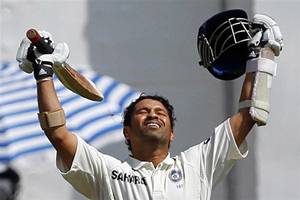
26 years ago on August 14, a 17 year old Sachin Tendulkar scored a brilliant century which paved way for 99 more centuries later. His maiden Test ton was a match-saving 119 at Old Trafford against England in 1990. His 119 saved India from a big defeat, in a match which turned out to be a draw. He is the only batsman to have 50 Test hundred. On a cold winter morning of 1990 in England in what turned out to be a memorable match, the opponents set 408 as target and India were left struggling at 183 for the loss of 6wickets. A young Sachin walked in with the gait of an experienced player and steadied the Indian innings, also crossing three digits for the first time ever. It began a new era for Indian cricket.
In the fascinating match, six individual centuries were scored, by biggies like Michael Atherton, Graham Gooch, Mohammed Azharuddin and others, but undoubtedly Sachin’s was the most outstanding one, as it saved India from a big defeat. All of 17 years and 112 days, Sachin missed the record of becoming the youngest player to score a Test century, just by 30 days to Pakistan’s Mushtaq Mohammad who had scored one against India in 1960-61 season. But his maturity in the match was applauded by everyone. Tendulkar was at the crease for 224 minutes when most of the Indian batsmen got out, and remained undefeated on 119. He hit 17 fours in that innings.

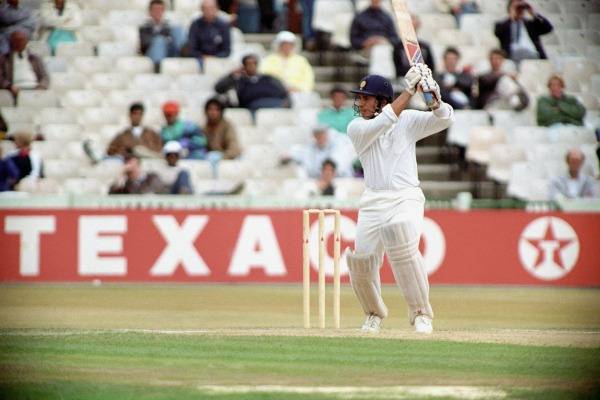
After the match people started comparing him to cricket star Sunil Gavaskar, little did they know that this young boy will go on to break almost every batting records that are there to be broken. Reportedly he was wearing Gavaskar’s pads in the match. He showed of his skills like a professional during the match but his remarkable backfoot punches made a different kind of mark. Standing at 5’5”, Sachin had all the answers for the bouncers by the English paceman.
The name Sachin Tendulkar in cricketing terms almost equate to ‘Records’. He has so many in his name, it would be difficult to count; but on August 14 let’s celebrate the beginning of it all.


