



It’s no surprise that a country and a cricketing system that treats its greatest-ever player and captain in a sub-human manner considers its present lot expendable — to be changed, dropped or recalled on a whim.
It hasn’t been long since more than 20 international cricket captains wrote to the Pakistan government asking for the dignified treatment of Imran Khan, a former prime minister, in jail, providing him the required medical care from the doctors of his choice, and allowing regular visits from members of his family. It was the second such appeal in six months, but doesn’t seem to have made much difference on the ground.
The Pakistan Cricket Board (PCB) took issue with the broadcast of a conversation with Imran’s two sons during the lunch break on the first day of the recent Lord’s Test. There were reports that the option of pulling out of the Test and the remainder of the tour was also considered.
How an interview during a scheduled interval in a match being played overseas – most probably set up by the host broadcaster, and not the England and Wales Cricket Board, could be the reason to get into such a fit is beyond comprehension. Is the PCB confirming to the world that it’s only the cricketing wing of the government, and not an autonomous sporting body?
It was only a few days later that its attention was drawn to what should have been its primary concern – the performance (or the lack thereof) of its team on the ground. And even there, the response was knee-jerk, betraying panic and suspicion of its own players.
The display of the Pakistan team on the ongoing tour of England, where they have lost the first two of three Tests showing hardly any fight, has been a shambles. Headlines about this being the worst Pakistan team to reach those shores have an element of hyperbole, but the players have hardly covered themselves in glory in the innings-and-103-run hammering in Leeds and the 194-run debacle at Lord’s.
The visitors haven’t reached 200 in any of their four innings in the series, and have only two individual scores of 50 or more. Even with the frequent weather interruptions, neither game entered the fifth day.
Resultantly, the England team, which was reeling under the questionable conduct of its players off the field and their frequent involvement in alcohol-related incidents of unsavoury nature, was given a free pass when a bigger show entered the town.
Knee-jerk reaction
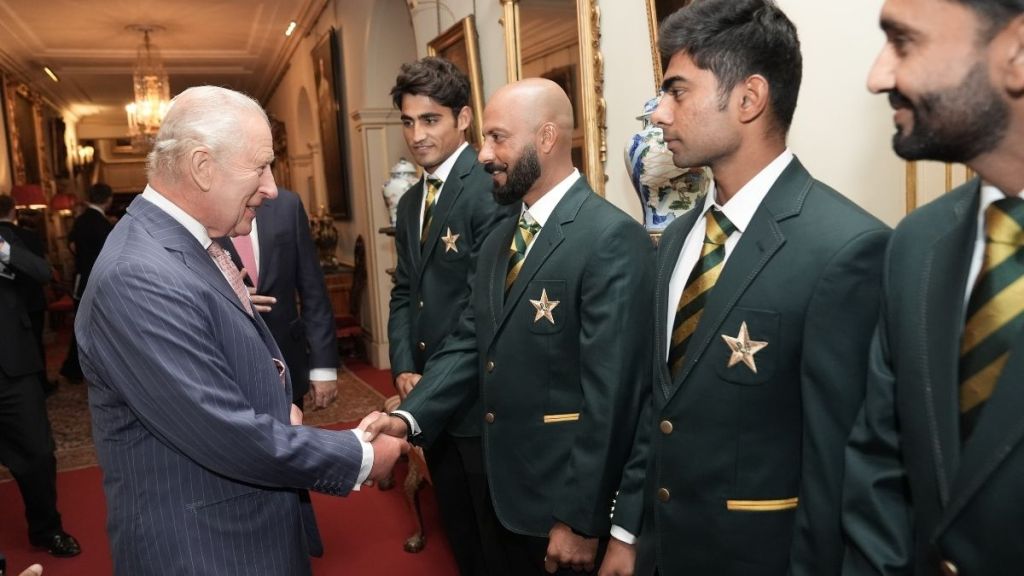
The PCB’s decision of calling as many as seven players back home from the tour, and sending five uncapped players as replacements, is a new low even by the PCB’s own mercurial standards. Even the coach and his assistant have been recalled, with two foreigners sent to take their place.
The players in the original squad would have been chosen, presumably, because they were the best in the country. And if the best in Pakistan – even if they were not up to the desired level in English conditions – can’t do the job, what chance do the replacements have, especially when they know that patience at the highest echelons of the PCB is in short supply and they are not likely to get many opportunities.
If they had much chance of success, they would have been in England from the beginning of the tour.
The two players being portrayed as the main fall guys are Mohammad Rizwan and Imam-ul-Haq. Rizwan has been culpable for his shoddy shot selection and glovework, while being considered a bad influence in the team environment, according to reports. Imam’s conduct during the Lord’s Test, where he purportedly tore his calf muscle while fielding and didn’t bat in either inning of the game, has prompted many raised eyebrows.
His batting may or may not have made any difference to the outcome of the match, but one has seen players coming out on the field with more debilitating injuries. Imam is being shown as a symbol of the biggest ailments in Pakistan cricket and his cricketing future, at least in the short and medium term, seems uncertain, despite him being the nephew of legend and former captain Inzamam-ul-Haq. Especially, as it’s not the first such instance with him. That raises the question: why were such players, who are said to have a bad attitude, selected for such a high-profile tour in the first place.
Show common sense
But making a spectacle after two defeats and washing one’s dirty linen in public serves no purpose. These issues could have been dealt with after the series, once the team returned home. The series was already lost. Drop the two errant players by all means – even if Imam somehow, miraculously, regains full fitness by the time the third Test begins in Birmingham on September 9 – and anyone else who has underperformed. But these have to be cricketing decisions, and not intended to teach someone a lesson.
The PCB selection panel that picked the squad was said to be one of the most experienced in terms of having played top-level cricket, and the desertions have started with former Pakistan captain Misbah-ul-Haq resigning. Clearly, the decisions taken after the Lord’s Test have come from the higher reaches of the administration.
The PCB has hardly ever been known for farsightedness and clear thinking. The cricket team has, more often than not, flourished when strong captains have been at the helm – such as Imran, Javed Miandad, Wasim Akram and Misbah himself. The current lot can’t hold a candle to them, either in on-field performances or force of personality.
Babar Azam hadn’t been a big success in his first stint as captain. The fact that he had to be re-appointed alludes to the paucity of options. There were some who, at one time, compared his batting to Virat Kohli’s. That analogy was unfair then, and has become laughable since. His two dismissals at Lord’s – edging to slip while playing in front of his body in the first innings, and caught fending at a short sharp bouncer from Jofra Archer in the second – would be dispiriting for him and the dressing room.
In the short term, one cannot legislate for lack of talent coming through – if that indeed is the case with Pakistan – but administrative integrity and clear thinking is non-negotiable. One has seen several instances in cricket history of teams not having extraordinarily talented players punching above their weight. Smart captaincy, everyone pulling in one direction, and making the best use of the resources at their disposal have often brought stronger opponents down.
But that will only happen when the board isn’t looking to deflect responsibility and trying to make political gestures on behalf of the government. Headline management and looking for scapegoats can’t compensate for clear thinking, foresight and taking the right decisions at the opportune times.