


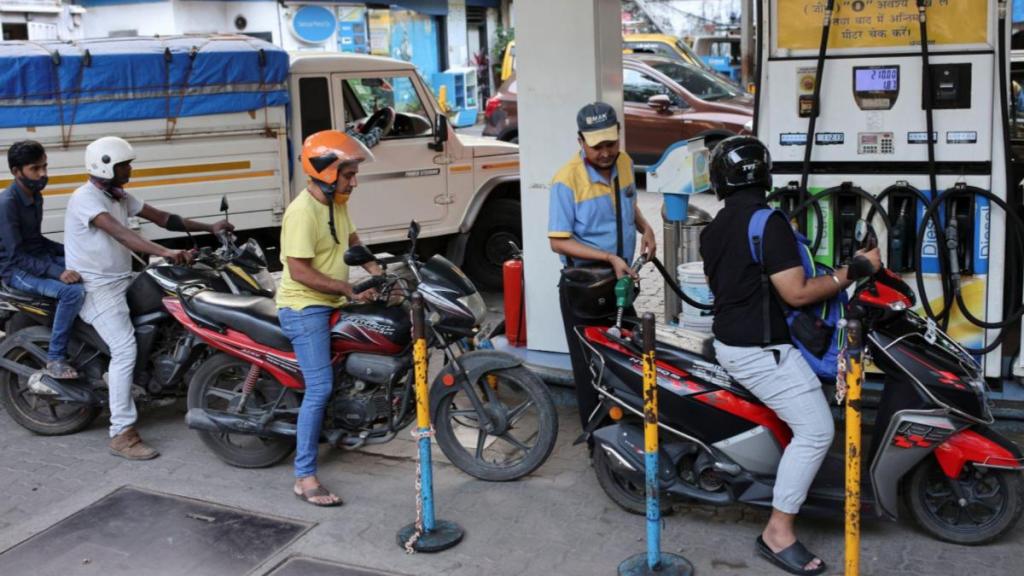

A cut in petrol and diesel prices may not come immediately despite the sharp decline in global crude oil prices. Union Petroleum Minister Hardeep Singh Puri on Thursday explained the reason behind it during a presser.
According to Puri, the state-run oil marketing companies (OMCs) are still refining expensive crude purchased during the peak of the West Asia conflict. He said any decision on reducing retail fuel prices would depend on whether international crude prices remain at current levels for the next two to three months.
“We are using the crude petroleum stock today that we had bought two months ago. If this decline continues for two to three months, we will see. But it is a hypothetical situation,” the minister told the press.
His remarks come as global crude prices have fallen sharply after the United States and Iran reached an understanding to end hostilities. Brent crude, which had surged to nearly $120 per barrel during the conflict, has now retreated to around $70 per barrel.
OMCs suffered ₹74,781 crore in losses
Refiners are yet to fully benefit from the decline as they are processing crude cargoes purchased in April and early May, when prices were significantly higher. Oil companies typically buy crude at least two months in advance.
Puri also revealed that OMCs suffered ₹74,781 crore in losses by selling petrol, diesel and LPG below cost until June 30. During the peak of the crisis, companies absorbed daily under-recoveries of around ₹2,400 crore to shield consumers from the full impact of soaring oil prices.
Puri on govt’s handling of fuel prices during West Asia war
Retail fuel prices in India increased by a cumulative ₹7.50 per litre during the conflict. The government initially reduced import duties to cushion consumers before allowing prices to rise gradually.
Defending the government’s handling of fuel prices, Puri said India saw a much smaller increase than many other countries. Petrol prices rose by 5.58% in India during the crisis, compared with around 20% in developed economies and nearly 35% in neighbouring countries, he said.
The minister also said the conflict did not disrupt fuel supplies in India, with no shortages or long queues reported at petrol pumps.
While state-run retailers are yet to revise prices, private fuel retailer Nayara Energy earlier this week cut petrol prices by ₹5 per litre and diesel prices by ₹3 per litre across more than 7,000 fuel stations, signalling that lower global crude prices are beginning to filter into the domestic market.