


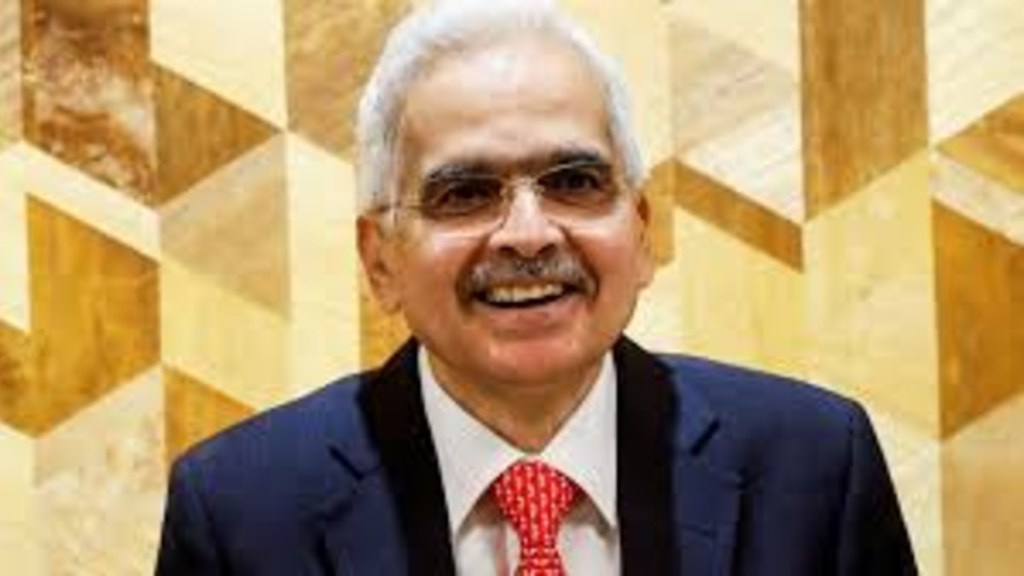

India’s economic resilience is the result of a decade of reforms that strengthened governance, macroeconomic stability and long-term productive capacity, Principal Secretary-2 to the Prime Minister Shaktikanta Das said on Sunday.
“India’s resilience is not accidental; it is the outcome of broad and mutually reinforcing reforms,” Das said while speaking at the Kautilya Economic Conclave here, citing measures such as flexible inflation targeting, the Goods and Services Tax (GST), digital payments and banking reforms.
These reforms have helped India withstand a difficult global environment marked by wars, fragmentation, energy price volatility and high public debt, he said. India’s real GDP grew 7.8% in the first quarter of the current financial year, following average annual growth of 7.9% between 2021-22 and 2025-26. Das said India was within “striking distance” of 8% growth.
The first pillar of resilience has been stronger governance and state capacity, he said. Improvements in infrastructure, sanitation, housing, electrification, financial inclusion and digital services have strengthened the relationship between citizens and the state. The India Stack, including Jan Dhan accounts, Aadhaar and mobile connectivity, enabled rapid transfers during the pandemic. Direct benefit transfers have generated estimated savings of around `5.1 lakh crore.
The second pillar is macroeconomic stability, he said, citing flexible inflation targeting since 2016, fiscal consolidation, GST-led market integration and financial-sector reforms.
The third pillar is investment in productive capacity. Infrastructure and logistics improvements, including Gati Shakti and the National Logistics Policy, have strengthened connectivity, he said.
Production-linked incentives, PM MITRA and Skill India are strengthening industrial capacity, with India emerging as the world’s second-largest mobile phone manufacturer and making a significant entry into semiconductor manufacturing, Das said.
Looking ahead, he identified deeper financial markets as critical for the next phase of growth. “The next phase of growth will require strengthening of long-term finance and patient capital,” Das said, calling for deeper corporate bond, pension and insurance markets, municipal finance, and innovative infrastructure and green financing.
He also highlighted artificial intelligence, strategic self-reliance, sustainable development and human capital as key priorities. “India’s strategy is no longer to simply grow rapidly. It is to grow sustainably and resiliently over the long term,” he said.