


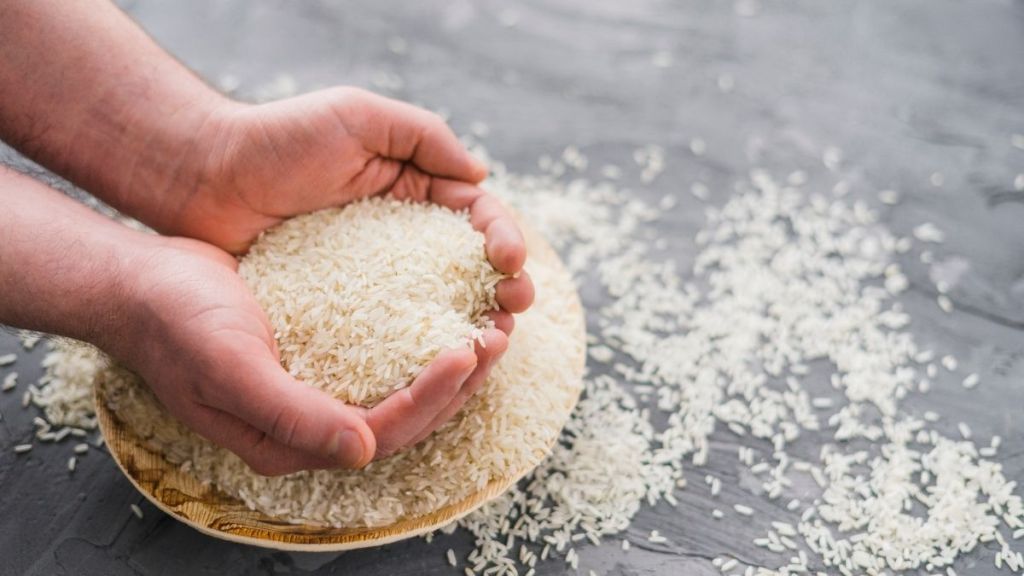

Rice exports, India’s largest agri-product shipments, rose just 2.5% to $5.77 billion during April-September of FY27 year-on-year, as supply disruption and high freight due to the West Asia conflict continue to impact shipments.
In September, 2026, the world’s biggest rice exporter, shipped grain valued at $0.96 billion, an increase of 4.2% compared to the same month last year, as importing countries in the Middle East continue to adopt a cautious approach in building stock.
Exporters said that ports across Iraq, Kuwait, Bahrain, Qatar, Dammam, and Jebel Ali remain heavily disrupted, forcing shipments to take longer and more expensive alternative routes. Even Jeddah, a key Red Sea gateway, in Saudi Arabia has faced Houthi attacks, while growing tensions raise serious concerns over the Bab el-Mandeb route.
“At present, the combination of higher domestic paddy prices, uncertain international demand, elevated logistics costs, and geopolitical disruptions is creating pressure on rice exports,” Ranjit Singh Jossan, vice president of the All India Rice Exporters Association, told FE.
The value of rice exports, including Basmati and non-Basmati varieties, fell by 7.5% year-on-year to $ 11.53 billion in FY26. India has been the world’s biggest rice exporter (Basmati and non-Basmati) in the last decade.
The United States Department of Agriculture (USDA) said India’s rice exports next year are projected to decline by 4% to 24 million tonne (MT) in 2027 due to lower shipments of broken and white rice.
The USDA’s global market analysis attributed the fall in India’s rice exports, which has the biggest share of over 40% in the global grain trade, to rising prices amid lower exportable supplies.
India exports both aromatic and long-grain Basmati and non-Basmati varieties to over 140 countries, across Asia, the Middle East, Europe, and the US. In several countries it faces competition from rice exporting countries including Pakistan and Thailand.
Marine products exports up 13%
Marine products shipment, the second biggest item in terms of agri-shipment, continues to surge with overall exports rising to $4.5 billion in the April-September period of FY27, an increase of 13% year-on-year.
In September 2026, marine products including frozen shrimp varieties such as vannamei and tiger and frozen fish exports rose by 8% to $0.84 million year-on-year, according to a quick estimate by the commerce ministry.
Robust growth in exports to the United States, the biggest market for India, and diversification of shipments to the European Union (EU) and other countries has led to growth in shipments in FY27 so far.