




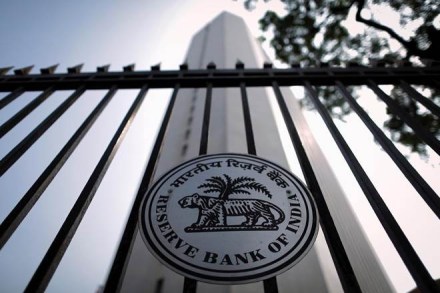
The Reserve Bank of India (RBI) is in the final stages of the process to identify entities who will set up the public credit registry (PCR). Tata Consultancy Services and Dun & Bradstreet have been identified as the L1 bidders to implement the project after a technical evaluation.
A notice on the central bank’s website said that the value of the contract was Rs 349.92 crore. Ten entities had responded to the tender floated by the RBI in October 2018, including the four registered credit bureaus in India, people close to the development said.
The project on PCR will fundamentally address the information asymmetry that impedes access to credit for micro and small entrepreneurs, RBI governor Shaktikanta Das had said earlier this month. “The PCR has been envisaged as a database of core credit information. The registry would play a crucial role in reducing the credit gap in the segment,” he added.
The PCR has been envisaged as an important tool to supervise creditworthiness of small enterprises. The report of the UK Sinha committee for MSMEs stated that as a public utility, the upcoming PCR will allow lenders to obtain the past credit history on MSMEs’ loan exposures, repayments and outstandings. “In addition, PCR will also electronically affix liens on MSME’s incoming cash-flows against MSME lending through the TReDS platform,” the report observed.
The PCR is expected to be equally significant for lending in the microfinance industry. In an address in February 2019, then RBI deputy governor Viral Acharya had said that the PCR will prevent a situation where lenders protect the information of their profitable customers and are not ready to share it directly with other lenders. He had further explained that the PCR must exist despite the presence of credit bureaus in India.
“PCBs (private credit bureaus) can be legislatively authorised to receive credit data; however, being for-profit enterprises, they may focus primarily on those data segments around which it is most profitable to build a business model (for example, provision of credit scores based on data gathered),” Acharya had said, adding, “Indeed, it is found internationally that a PCR, being a non-profit enterprise, is able to ensure much better data coverage than PCBs. In turn, the PCBs when given access to comprehensive data from a PCR can provide better and greater value addition through data analytics and innovations, complementing the PCR.”


