


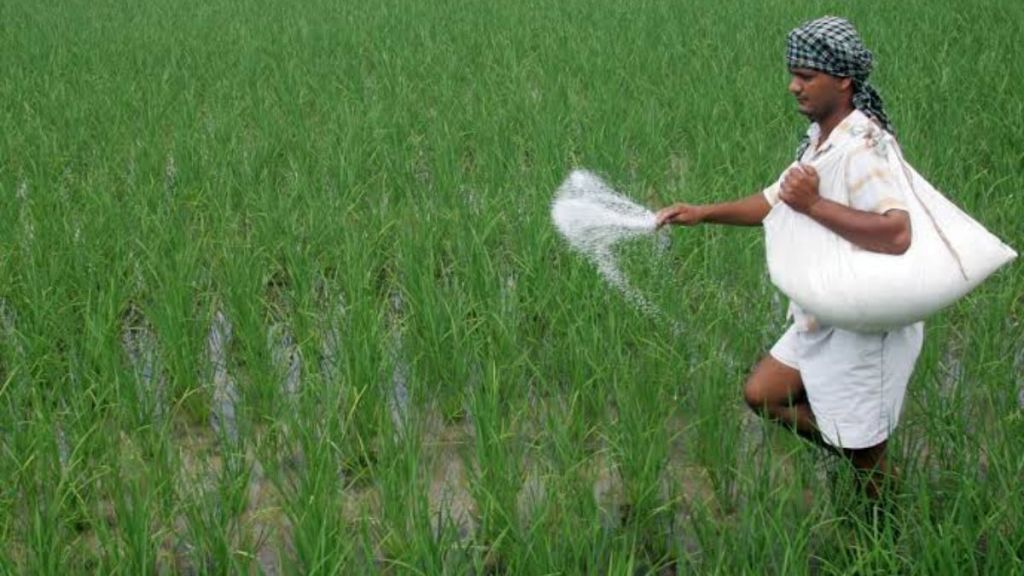

In a pioneering initiative, Madhya Pradesh has reduced fertilizer consumption to 3.2 million tonne (MT) in the kharif season, 2026, from 3.6 MT in previous year, by linking crops sown to land holding.
The initiative e-Vikas covered all 5 million farmers in the state across 55 districts, and according to a senior state government official, has resulted in savings of Rs 764 crore in terms of fertiliser subsidy outgo for the Centre in the kharif season, 2026
The biggest drop in fertiliser consumption was reported from maize and soybean growing Rajgarh district, where sales of various soil nutrients – urea, DAP and other soil nutrients – dropped by 37% to 56,000 tonne from 93,000 tonne in the previous season. Predominantly paddy growing Hoshangabad district in the state reduced fertiliser consumption to 0.11 million tonne this year from 0.18 MT in kharif, 2025.
Under the e-Vikas system, farmers in Madhya Pradesh receive digital tokens or e-coupons before purchasing fertilisers from distribution centers and the quantity of fertilisers allocated is based on land records, crop type, and seasonal requirements. Agriculture ministry officials say this system helps reduce overcrowding at fertiliser shops and improves transparency in distribution.
“Once a farmer’s fertiliser purchase crosses 125% of the Indian Council for Agricultural Research recommendation based on area, crop size and soil type, we send a team to the concerned farmer regarding the need for purchasing excess urea or DAP against the requirement,” Nishant Warwade, secretary, department of farmer welfare and agriculture development, Madhya Pradesh, told FE. To create awareness about the initiative, the Madhya Pradesh government conducted 700 training programme against the excessive use of fertilisers; even MLAs were trained on the initiative to generate awareness.
A similar initiative was taken on a pilot basis in Chhattisgarh, Rajasthan and Telangana where Agri-stack fertiliser distribution was regulated using farmers digital registry.
Experts say this initiative may help improve balanced nutrient use in farming and reduce wasteful fertilizer consumption. Officials said the system uses digital tokens, QR codes, and crop-based allocation methods to distribute fertilisers more efficiently among farmers.
Under the digital infrastructure initiative, 110 million unique farmer IDs linked to land records have been generated under the Digital Agriculture Mission, according to the agriculture ministry.
The government has achieved its target of creating farmer IDs referred to as Kisan Pehchaan Patra, containing the details of the farmers’ land holding, crops grown in the field and other details across the countrY
States that have provided a significant number of IDs to farmers include Uttar Pradesh (25.5 million), Maharashtra (14.1 million), Madhya Pradesh (12 million), Rajasthan (9.1 million), Gujarat (6.4 million), Telangana (5.4 million), Andhra Pradesh (5.2 million), Tamil Nadu (3.6 million) and Odisha (2.51 million). These IDs cover over 75% of the total operational land holding in the country, as per the agriculture census of 2015-16, according to an official note. With the exception of Jharkhand, Mizoram, Arunachal Pradesh, and Nagaland, ID issuance has been initiated across states.