


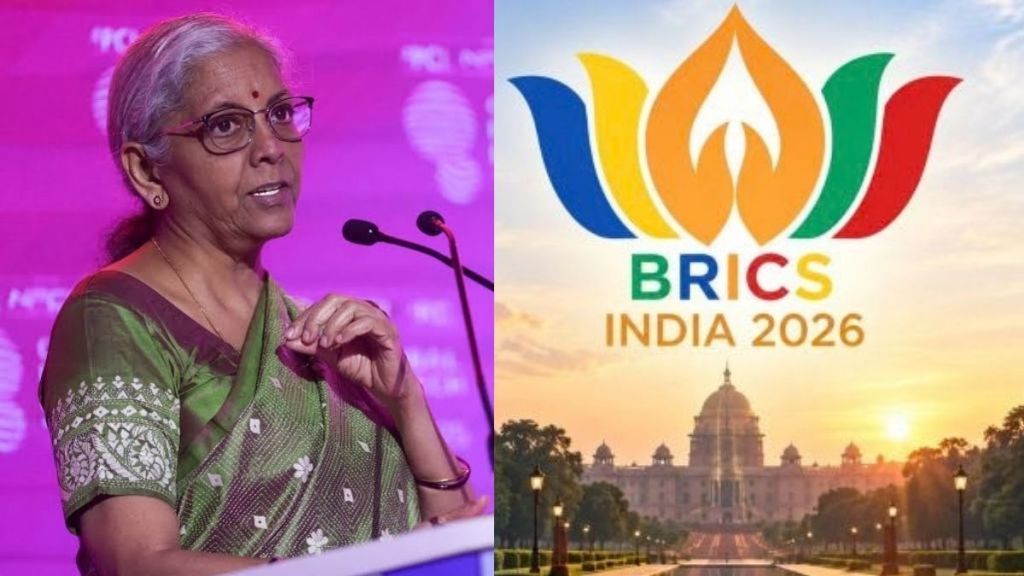

BRICS countries are looking to set up two working groups—on international taxation and transfer pricing, and revenue statistics—as the member nations aim to create an institutional platform to deal with common challenges, Finance Minister Nirmala Sitharaman said on Wednesday.
“Transfer pricing disputes cost developing-country administrations disproportionately. Revenue frameworks that don’t fit our fiscal realities distort how we are seen and how we see ourselves,” Sitharaman said at the BRICS tax heads meeting in the national capital.
“These Working Groups exist because every country in this room has experienced these problems. They create the sustained institutional space in which progress on them becomes possible — not in one year, but over time, regardless of who holds the Chair. They are designed to outlast India’s Chairship,” the finance minister said.
The scoping documents for the two new working groups are ready after several months of drafting, consultation, and revision, Revenue Secretary Arvind Shrivastava said at the same event.
The international taxation and transfer pricing working group creates a permanent BRICS platform for sharing experience on treaty interpretation, transfer pricing audit, advance pricing agreement and mutual agreement procedure mechanisms, and the multilateral negotiations including the United Nations Framework Convention on International Tax Cooperation, Shrivastava said.
The revenue statistics working group creates a framework for measuring fiscal performance that reflects BRICS realities rather than importing assumptions from frameworks built for very different economies, Shrivastava said. “India takes these responsibilities seriously, and we are accountable to this community for what they produce,” the revenue secretary added.
Sitharaman said that the rules of international taxation are being renegotiated with several multilateral tax negotiations including the United Nations Framework Convention on International Tax Cooperation.
“The decisions made in these processes over the next few years will shape cross-border taxation for a generation,” Sitharaman said. “What we decide upon today is not the purpose of India’s Chairship. It is meant to build on what has been achieved so far and what can be the foundation that the next Chair inherits,” she added. China will take over the rotating BRICS Presidency from India in 2027.
India’s experience with faceless assessment, pre-filled returns, real-time invoice authentication and artificial intelligence-enabled taxpayer assistance has attracted genuine interest from BRICS partners, Sitharaman said.
India has tried to share this experience through the BRICS Tax Collaboration Tool, “rather than merely in principle,” Sitharaman said. The Tool now carries contributions from across member countries, she added.