



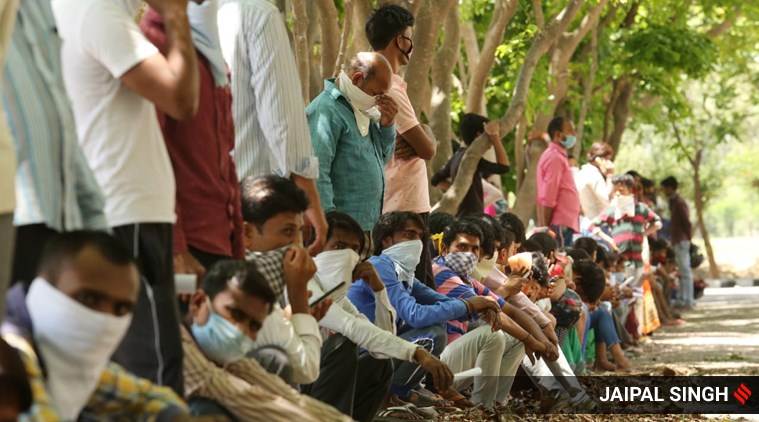
With the government easing restrictions amid the coronavirus pandemic, business activities have started to resume in the country and the same is also reflecting in the falling unemployment. While resumption of businesses is progressing well in India, the pace has slowed somewhat since mid-June, Aurodeep Nandi, India Economist and Vice President, Nomura told CNBC TV-18 in an interview. Nonetheless, the unemployment rate has come down significantly with the labour participation rate at around 42%, which is almost near to the pre coronavirus levels. In the lockdown, many companies faced a labour shortage issue as migrant workers travelled back to their home in the absence of means to earn and eat.
“The key issue that economists have now with deciphering the economy is that the set of indicators that we generally look at are too flat footed to capture the trend,” he said. From an index of 100 in February 2020, a month before the lockdown, the numbers fell to 44 in April, but have gone up in months since then with 59 in May and 69 in mid-June and about 70 currently.
In the past few weeks, Nomura has seen a rapid increase in the index, which is not surprising considering lockdown has been unlocked and people have started to venture out for work and other purposes, Aurodeep Nandi said. However, there is still a long way to go to normalcy and in the last week, there has been a lull in mobility and other activities after a sudden surge.
While the government has allowed businesses to reopen, the COVID-19 curve is yet to flatten. “As far as return to normality is concerned, one would assume that mobility keeps picking up as lockdowns get relaxed. The big issue is that you have a pandemic that is going on alongside,” Aurodeep Nandi said. When mobility will pick up further, coronavirus cases will also climb up, having a detrimental effect on consumer sentiments.