


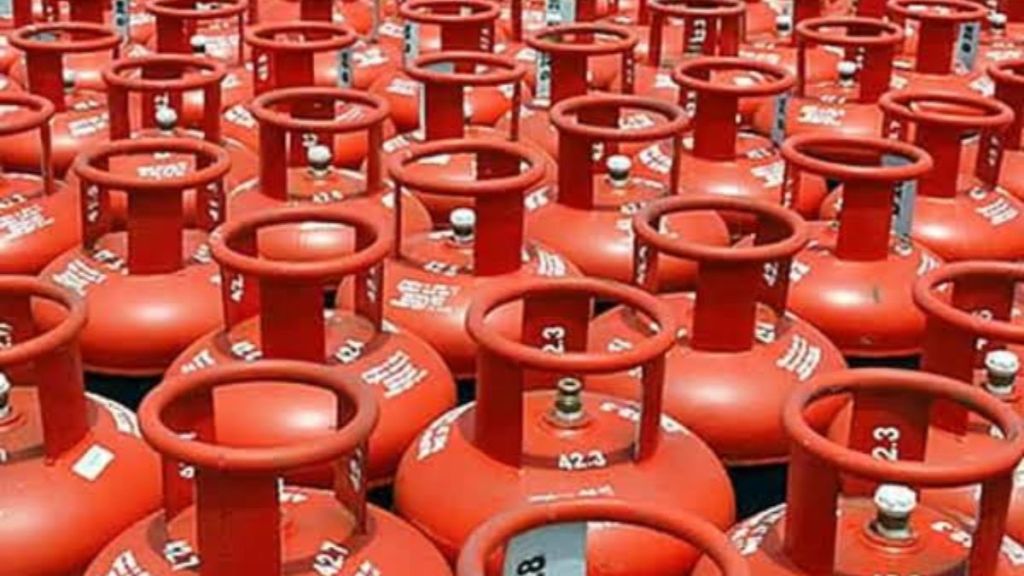

India’s clean-cooking push has sharply expanded LPG access, but affordability and formal enrolment remain the biggest barriers to sustained use, with 79% of migrant LPG users surveyed lacking a formal connection and fewer than 4% enrolled under the Pradhan Mantri Ujjwala Yojana (PMUY). Across rural households, urban informal settlements and migrant workers, at least 80% said they would shift exclusively to LPG if a 14.2-kg refill cost ₹400.
The ₹400 affordability threshold is well below the current effective subsidised PMUY cylinder price of ₹642, while the median willingness to pay across all three groups was ₹500. The findings show that the next phase of clean-cooking policy will need to move beyond connection numbers to regular usage, affordability and reliable last-mile delivery.
Three studies released by the Council on Energy, Environment and Water (CEEW) at its Clean Air Horizons event surveyed more than 2,200 rural households across six states, over 1,100 households in informal settlements and more than 1,000 migrant workers across 10 cities.
“Providing an LPG connection is only the first step. If families cannot afford regular refills, migrants are not aware of formal connections under PMUY, or cylinders do not reliably reach rural homes, households remain exposed to polluting fuels,” said Prarthana Borah, Fellow, CEEW.
The sharpest exclusion was among migrants. Informal migrant LPG users paid ₹71 per kg, over 20% higher than the ₹59 per kg paid through formal connections. Housing also mattered: 70% of migrants living on footpaths or in open spaces relied exclusively on solid fuels, against 11% among those in rented accommodation.
Rural households face a different constraint. While 73% used LPG in the previous 90 days, only 23% used it exclusively. Half still relied on firewood as their primary fuel, and only 47% of LPG users received doorstep delivery.
In urban informal settlements, 70% used LPG exclusively, but documentation remained a key hurdle. Among households without a formal connection, 31% said they were turned away for lacking documents such as proof of address. About 11% bought cylinders informally, paying ₹1,040 against a retail price of ₹803 at the time of the survey.
“Clean cooking policy now has to move from connection numbers to sustained use,” said Abhishek Kar, Fellow, CEEW. He said rural households need affordable refills and doorstep delivery, urban poor households require documentation and payment solutions, while migrants need greater subsidy support and awareness.
CEEW recommended that the government consider raising the PMUY subsidy by around ₹200 per cylinder to bring the effective price closer to the ₹400 threshold, alongside special migrant enrolment drives, pay-as-you-go LPG kiosks and higher distributor incentives for remote rural customers.